


Chemists develop unique nano-grenades to help fight cancer and other diseases
The nano-grenades have a covering of polymer filaments and granules of titanium oxide and silver.

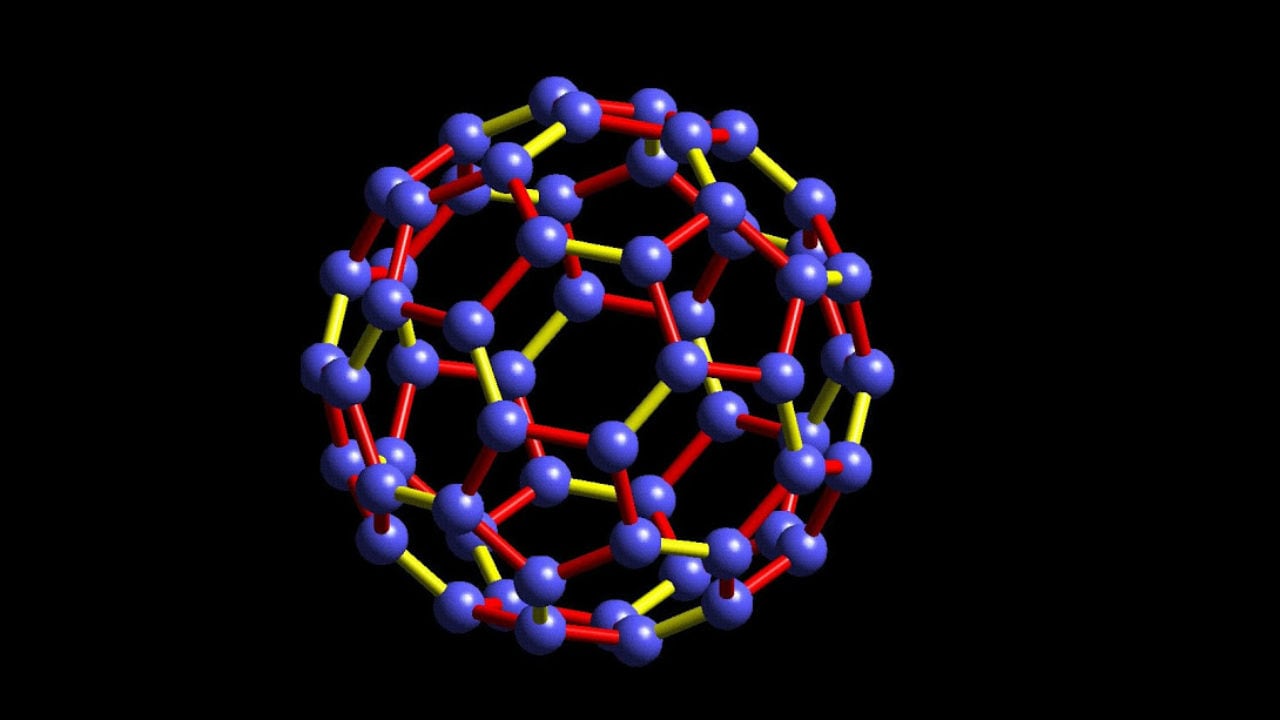
Representational image.[/caption]After illuminating these 'nano-grenades' with an infrared laser, the sugars escaped the nanoparticles' membranes, lighting up the bacteria and proving the method's effectiveness.Importantly, neither the nanoparticles nor their structural collapse affected the viability of the bacteria's cells.According to Skorb, the ease with which infrared radiation passes through the human body means that the use of such nanoparticles to fight cancerous tumors or various infections will be possible in virtually any part of the body."This area of research is interesting not only from the perspective of the localised delivery of medicines, but also for the creation of a computer in which biological molecules can be used instead of silicon chips. This will pave the way for high-precision control of chemical processes, 'smart' medicines and the ability to control molecular machines," Skorb said in a statement from Russian Science Foundation, Sputnik reported.To create the nanoparticles, the team experimented with photosensitive nanomaterial technology and a chemical 'switch' method to create the nanoparticles.It consists of titanium dioxide nanoparticles which can split water into hydrogen and oxygen atoms when exposed to light. When placed in a solution of organic compounds, the oxygen produced begins to interact with molecules, changing the acid-base balance.

Careless Whispers: Scientists discover that plants can 'talk' to each other using smells
Life on Mars? European Space Agency’s Orbiter discovers ice water deposits at equator
Microsoft briefly overtakes Apple as the most valuable company, Apple back on top again
Even NASA is facing a tough time, starts layoffs following major budget cuts
ISRO, NASA's NISAR satellite to get ready by Jan-end, will monitor Earth's snow-covered regions