


Centaur spotted: Astronomers find space rock near Jupiter that might transform into a comet by 2063
The rare sighting is an opportunity to see the birth of a comet as it starts to become active, researchers say.

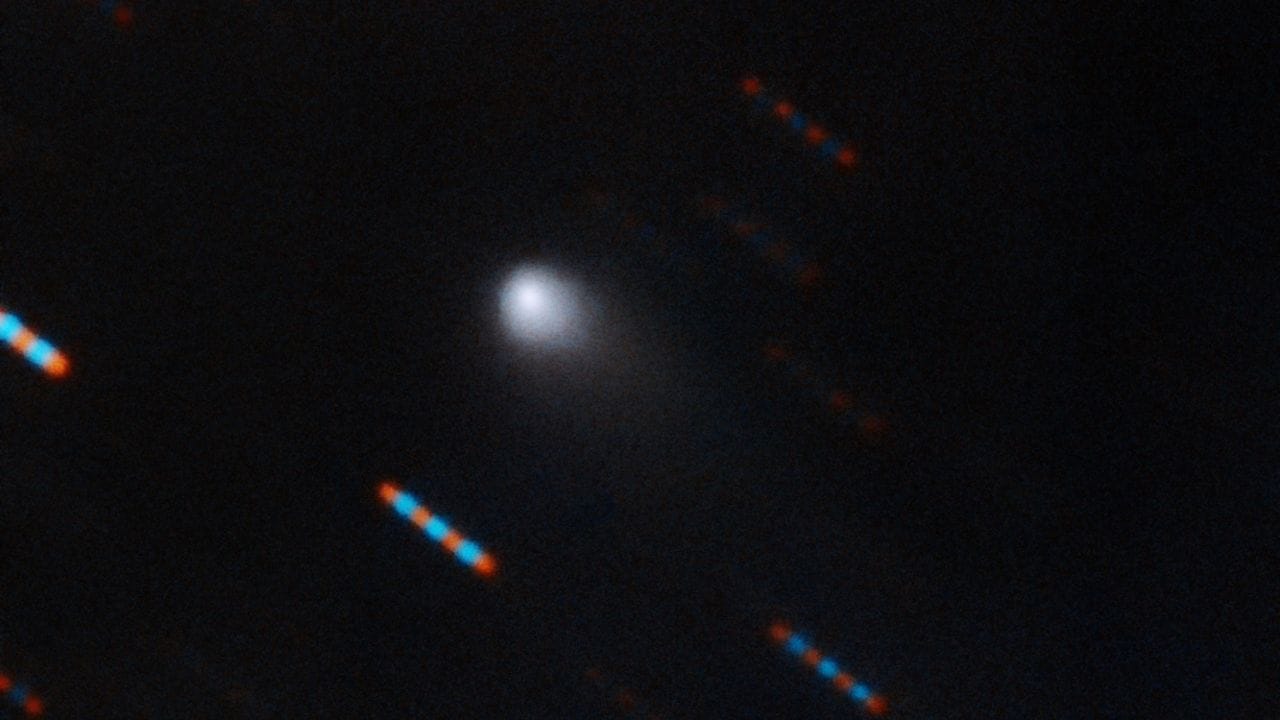
The interstellar comet C/2019 Q4 in action. Image:
Gemini Observatory/NSF/AURA[/caption]"We have an opportunity here to see the birth of a comet as it starts to become active," Kat Volk, says planetary scientist from the University of Arizona, Tucson, told Science News.Researchers suspect that centaurs are the missing link between the icy, tiny space rocks at the edge of our solar system (called the Kuiper Belt) beyond Neptune, and the comets that frequently make their way towards the inner planets. These comets, also known as "short-period" comets, come from the sea of icy space rocks in the Kuiper Belt, orbit the sun once a decade or longer, and show up predictably in Earth’s skies, according to a Science News report. In contrast, there are also "long-period" comets that visit the inner solar system once a century or longer, which might originate from regions even farther away from the Sun, with orbits that carry them to the very edges of the solar system.Astronomers think the space rock P/2019 LD2 is morphing from one kind of space rock to a whole other kind, with very different features. This presents an opportunity to watch a comet form in real time over decades to come, the study pre-published in arXiv, reads. “What we really need to do is study many of these,” says lead author Henry Hsieh, a planetary astronomer at Planetary Science Institute but not involved in the study, is quoted as saying by Science News."Study this one first, and then study more of them, and figure out whether this object is an outlier or whether we see a consistent picture."But we may not have to wait till 2063 to find out what happens to space rocks like P/2019 LD2. With new telescopes like the Vera Rubin Observatory going online in the decade to come, along will come more opportunity to watch these centaurs be born, transform, and interact with the solar system.

Careless Whispers: Scientists discover that plants can 'talk' to each other using smells
Life on Mars? European Space Agency’s Orbiter discovers ice water deposits at equator
Microsoft briefly overtakes Apple as the most valuable company, Apple back on top again
Even NASA is facing a tough time, starts layoffs following major budget cuts
ISRO, NASA's NISAR satellite to get ready by Jan-end, will monitor Earth's snow-covered regions