


Big storms can trigger stormquakes that shake the seafloor, but aren't dangerous to people
Stormquakes are more an oddity than something that can hurt you, since no one stands on the sea floor during a hurricane

Scientists have discovered a mash-up of two feared disasters — hurricanes and earthquakes — and they’re calling them "stormquakes."
The shaking of the seafloor during hurricanes and nor’easters can rumble like a magnitude 3.5 earthquake and can last for days, according to a study in the journal Geophysical Research Letters. The quakes are fairly common, but they weren’t noticed before because they were considered seismic background noise.
A stormquake is more an oddity than something that can hurt you, because no one is standing on the sea floor during a hurricane, said Wenyuan Fan, a Florida State University seismologist who was the study’s lead author. The combination of two frightening natural phenomena might bring to mind ” Sharknado,” but stormquakes are real and not dangerous.
 More from Science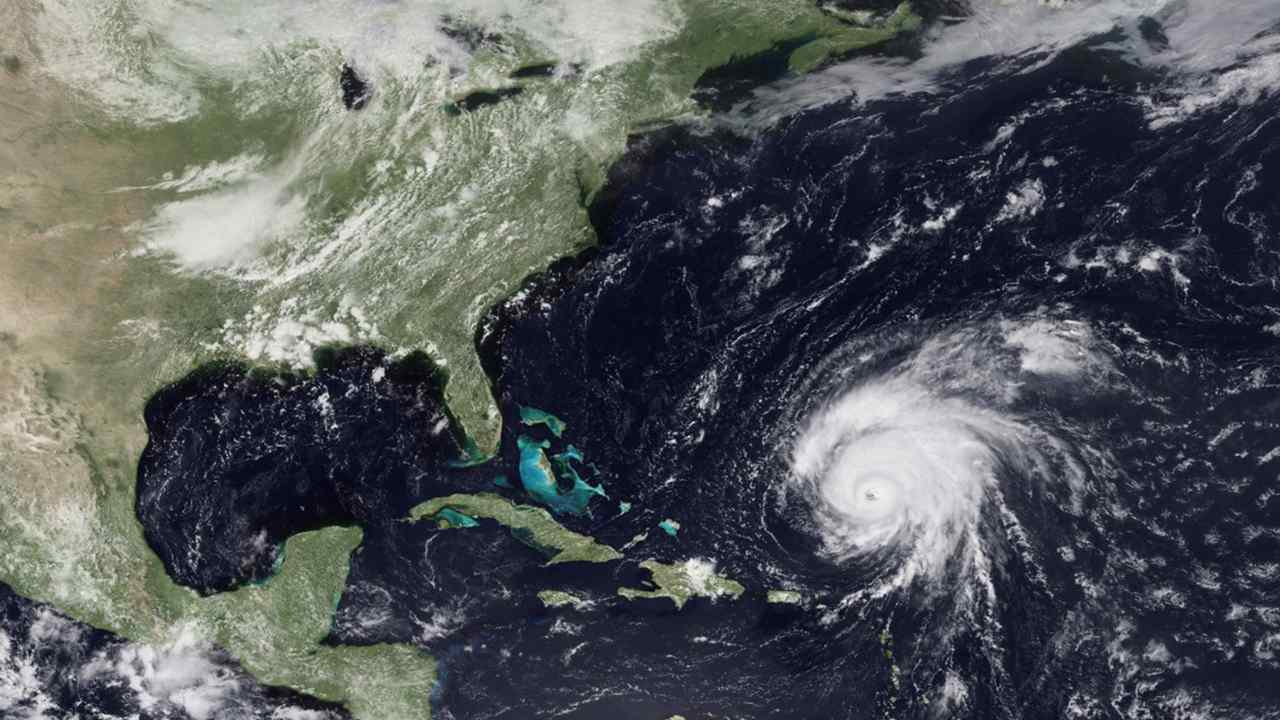
To create stormquakes, massive storms have to churn in an area with just the right geological configuration. Image: NOAA[/caption]Storms trigger giant waves in the sea, which cause another type of wave. These secondary waves then interact with the seafloor — but only in certain places — and that causes the shaking, Fan said. It only happens in places where there’s a large continental shelf and shallow flat land.
Fan’s team found 14,077 stormquakes between September 2006 and February 2015 in the Gulf of Mexico and off Florida, New England, Nova Scotia, Newfoundland, Labrador and British Columbia. A special type of military sensor is needed to spot them, Fan said.
Hurricane Ike in 2008 and Hurricane Irene in 2011 set off lots of stormquakes, the study said.
The shaking is a type that creates a wave that seismologists don’t normally look for when monitoring earthquakes, so that’s why these have gone unnoticed until now, Fan said.
Ocean-generated seismic waves show up on US Geological Survey instruments, “but in our mission of looking for earthquakes these waves are considered background noise,” USGS seismologist Paul Earle said.

Careless Whispers: Scientists discover that plants can 'talk' to each other using smells
Life on Mars? European Space Agency’s Orbiter discovers ice water deposits at equator
Microsoft briefly overtakes Apple as the most valuable company, Apple back on top again
Even NASA is facing a tough time, starts layoffs following major budget cuts
ISRO, NASA's NISAR satellite to get ready by Jan-end, will monitor Earth's snow-covered regions