


Bacteria that eats metal, processes carbon accidentally discovered on dirty lab equipment
Such microbes were predicted to exist over a century ago, but none had been found or described until now.

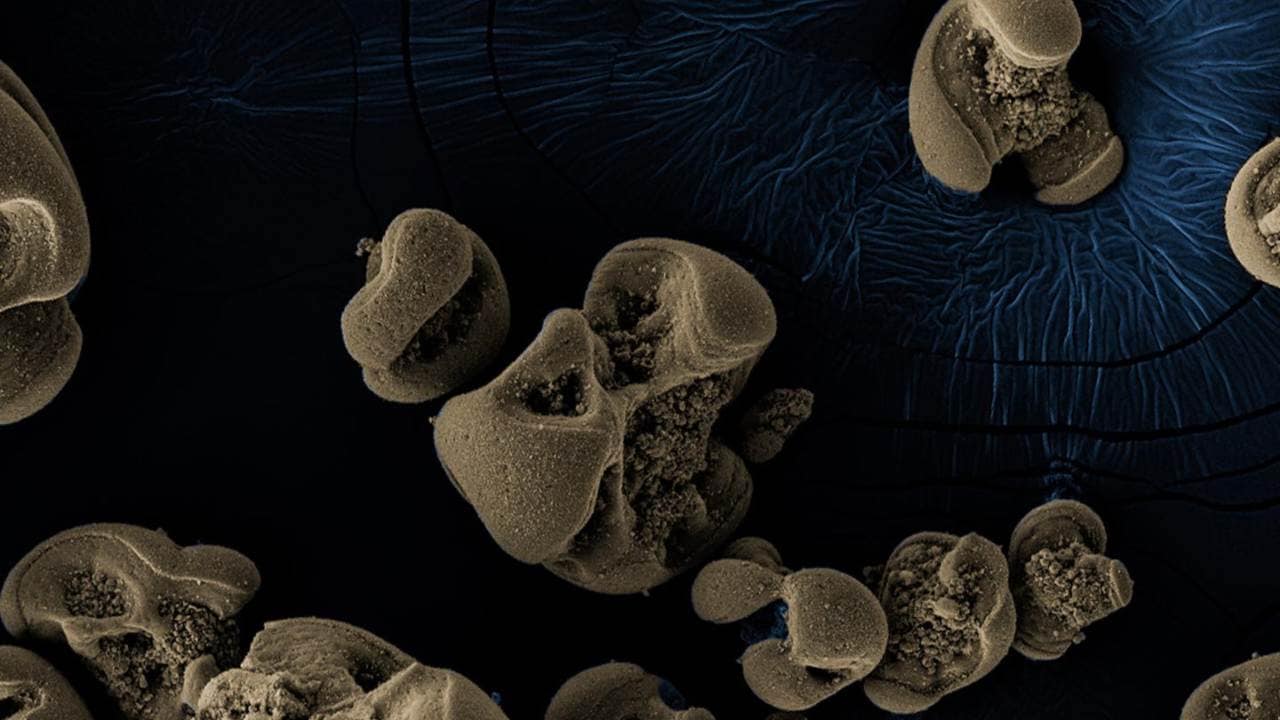
Scanning electron micrograph of manganese oxide nodules. Image: Caltech/Leadbeater et al[/caption]To confirm this theory, Leadbeater and his team coated more jars with manganese carbonate (MnCO3) and sterilised some of them using scorching steam. The manganese compound on the sterilised jars didn't darken (even a year later), but the flasks that hadn't been sterilised developed the same dark coating.The coating was, in fact, oxidized manganese that was produced by the newfound bacteria, which the researchers think came from the tap water itself.An analysis of the genetic material (RNA) on the jars revealed 70 species of bacteria. Further tests helped narrow down which specific metal-processing bacteria were involved – the families of Nitrospirae and Proteobacteria, both of which are related to known bacteria that live in groundwater. The pairing of these bacteria was important, since the Proteobacteria alone couldn't act alone to oxidize manganeseIn a follow-up study, the researchers confirmed that the bacterial duo was autotrophic – it could produce its own food using a source of energy. In this case, it fed on electrons from manganese and convert carbon dioxide into biomass in a process known as 'chemosynthesis' (which works similarly to 'photosynthesis' in plants, where the source of energy is light instead of metal.The researchers say the rate at which the bacteria multiplies and the rate at which it can oxidise metal indicates that it could produce enough manganese oxides to replace the world's reserves in just two years. Considering how widely distributed the relatives of these bacterial species are, their potential in cycling this metal across Earth could be vast, they added.

Careless Whispers: Scientists discover that plants can 'talk' to each other using smells
Life on Mars? European Space Agency’s Orbiter discovers ice water deposits at equator
Microsoft briefly overtakes Apple as the most valuable company, Apple back on top again
Even NASA is facing a tough time, starts layoffs following major budget cuts
ISRO, NASA's NISAR satellite to get ready by Jan-end, will monitor Earth's snow-covered regions