


Babies that are bottle-fed consume 1.6 million pieces of microplastic every day: study
Over a 21-day test period, the team found that the bottles released between 1.3 and 16.2 million plastic microparticles per litre.

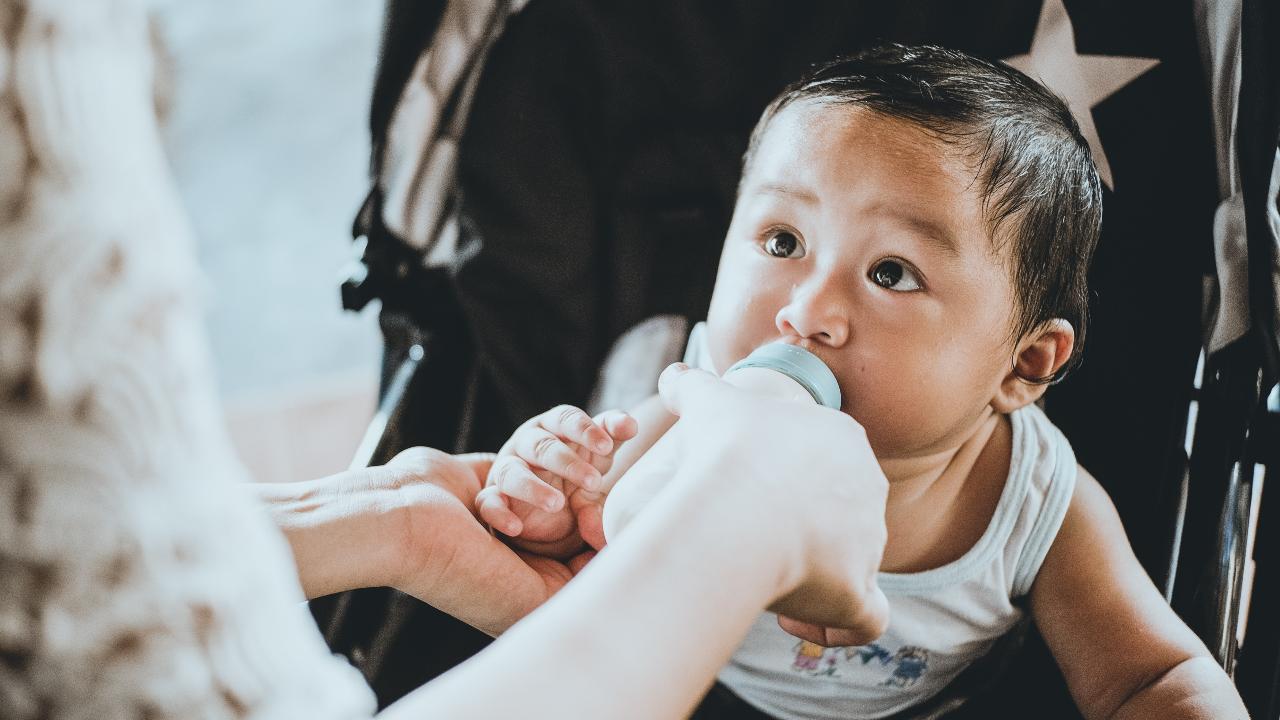
Babies in developed nations were more likely ingesting the most plastic -- 2.3 million particles daily in North America and 2.6 million in Europe.[/caption]They followed official guidelines from the World Health Organization on sterilisation and formula preparation conditions.Over a 21-day test period, the team found that the bottles released between 1.3 and 16.2 million plastic microparticles per litre.They then used this data to model the potential global infant exposure to microplastics from bottle-feeding, based on national average rates of breast-feeding.They estimated that the average bottle-fed baby could be ingesting 1.6 million plastic microparticles every day during the first 12 months of their lives.The authors of the research, published in the Nature Food journal, said that sterilisation and exposure to high water temperatures had the biggest effect on microplastic release, going from 0.6 million particles per litre on average at 25C to 55 million/litre at 95C.The authors told AFP that the aim of the research was "not to worry parents" about the potential health risks of bottle microplastics."We have communicated, as strongly as we can, that we do not know the potential health risks of infant ingestions of microplastics," said the team, from Trinity College Dublin."This is an area of research we are now actively pursuing."
Urgent need for study
The authors noted that it was in developed nations that babies were likely ingesting the most plastic -- 2.3 million particles daily in North America and 2.6 million in Europe.This was attributed to relatively low breast-feeding rates in richer countries.They said the levels could easily be lowered by taking a few additional steps, including rinsing bottles with cold sterilised water and preparing formula milk in a non-plastic container before filling the bottle.Fay Couceiro, the Senior Research Fellow in Biogeochemistry, University of Portsmouth, said Monday's research highlighted the "urgency for studies on microplastic impacts on human health".She said that it was important not to be "alarmist" when it came to bottle feeding, which many parents prefer for a variety of reasons."The risks from not sterilising bottles or using hot water are well understood and very real, and these known risks of disease must outweigh that of microplastic production until their health risks are understood," said Couceiro, who was not involved in the study.

Careless Whispers: Scientists discover that plants can 'talk' to each other using smells
Life on Mars? European Space Agency’s Orbiter discovers ice water deposits at equator
Microsoft briefly overtakes Apple as the most valuable company, Apple back on top again
Even NASA is facing a tough time, starts layoffs following major budget cuts
ISRO, NASA's NISAR satellite to get ready by Jan-end, will monitor Earth's snow-covered regions