


A house proud mouse and 5 other animals more serious about cleaning than you
Not just the mouse that went viral, cleanliness is a virtue for a whole host of critters.

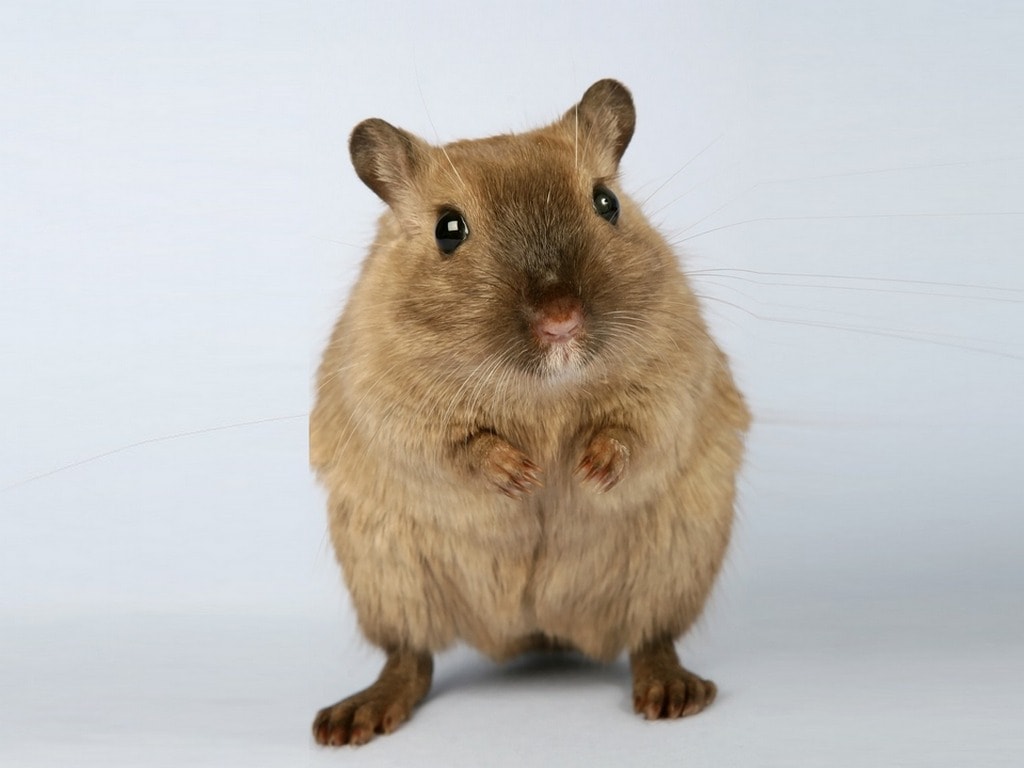 Representational Image.[/caption]Cleaning a living area for hygienic reasons isn’t unusual in animals. Bees will remove corpses from the hive, male fish will pick bits of mould and silt from their eggs. Clearing debris from a display area is common in birds that dance to attract a mate. None of these apply to the mouse, so we need to look for an explanation that is based in the innate behaviours of rodents.Packrats in North America have a habit of collecting shiny objects, stones, and wood to protect their nests. Some mice like to keep a good larder – when food is plentiful, they will hoard it.Many rodents bury novel objects that they find in their territory and this is sometimes thought to be an extension of the natural digging response that all rodents have. Mice and rats are keen tunnellers so the urge to dig is an important part of their behavioural repertoire.Mice also manipulate their bedding to make a nest. Though it’s difficult to be sure with only a short video as evidence, it’s possible that the mouse’s behaviour is rooted in these responses of hoarding, burying and generally manipulating its environment. All those objects in the mouse’s territory may have triggered confusion, leading the mouse to stash them somewhere it perceives as safe.So animals are a lot tidier than you think and not just this one mouse. Cleanliness is a virtue for a whole host of critters.
Rattlesnakes
Rattlesnakes lack limbs but still tidy their hunting grounds using their triangular heads and muscular necks to move aside grass.Decluttering their space may give them a clearer path to potential prey – extremely beneficial for a predator that cannot correct its aim after launching an attack.[caption id="attachment_6329351" align="alignnone" width="1280"]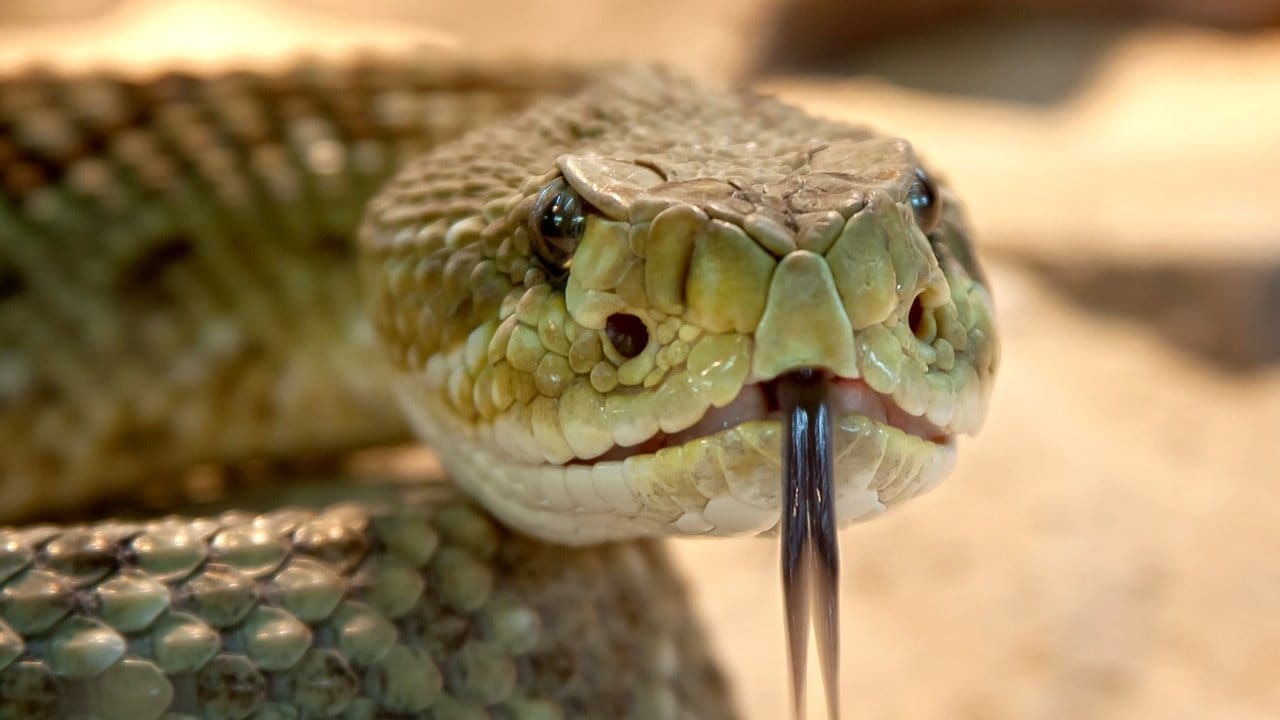 Representational Image.[/caption]
Songbirds
Songbirds are known to haul their chicks’ “faecal sacs” and drop them outside the nest. Bluebirds have been seen draping faecal sacs on electric wires, fence posts, and utility poles. The birds are quite strict at removing faeces, uneaten food, and dead nestlings immediately, to prevent infection and to make the nest harder for predators to detect.
Ants
The risk of disease is especially serious for social animals. Social insects such as ants and bees live in large numbers within very confined spaces, making them vulnerable to contagions. It is for this reason that many ant species carry their dead out of the nest rather than leaving the corpses to fester in the tunnels.One study found that if ants were prevented from removing the dead bodies, they were more likely to die. However, Indian jumping ants have a slightly different method – their nests include a “rubbish” chamber which is filled with dead ants, leftover prey and faecal matter. These chambers are staffed by a “sewage crew” of maggots that eat the refuse and prevent the chamber from getting clogged.[caption id="attachment_6329391" align="alignnone" width="1280"]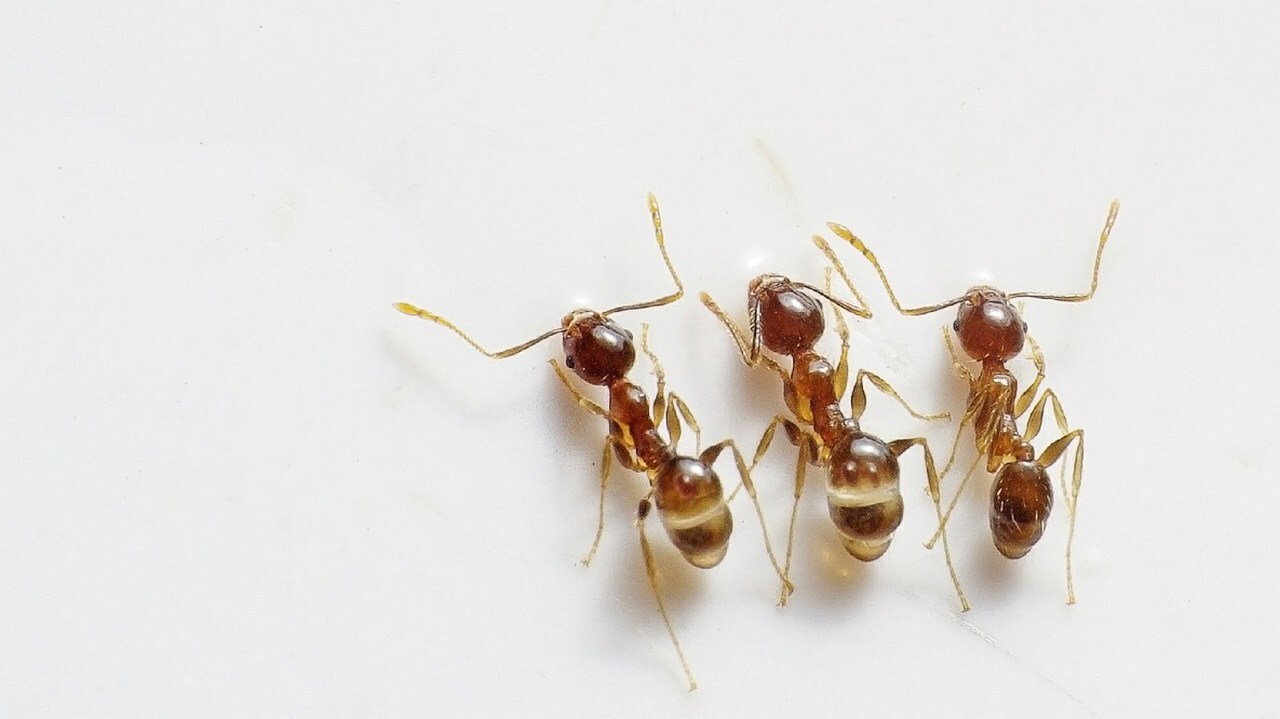 Representational Image.[/caption]
Naked Mole Rats
Damselfish

Careless Whispers: Scientists discover that plants can 'talk' to each other using smells
Life on Mars? European Space Agency’s Orbiter discovers ice water deposits at equator
Microsoft briefly overtakes Apple as the most valuable company, Apple back on top again
Even NASA is facing a tough time, starts layoffs following major budget cuts
ISRO, NASA's NISAR satellite to get ready by Jan-end, will monitor Earth's snow-covered regions