


500 species of fish can change their sex in response to their environment: Research
One male Bluehead wrasse protects a harem of females, if the male dies, the biggest female becomes male in 10 days.

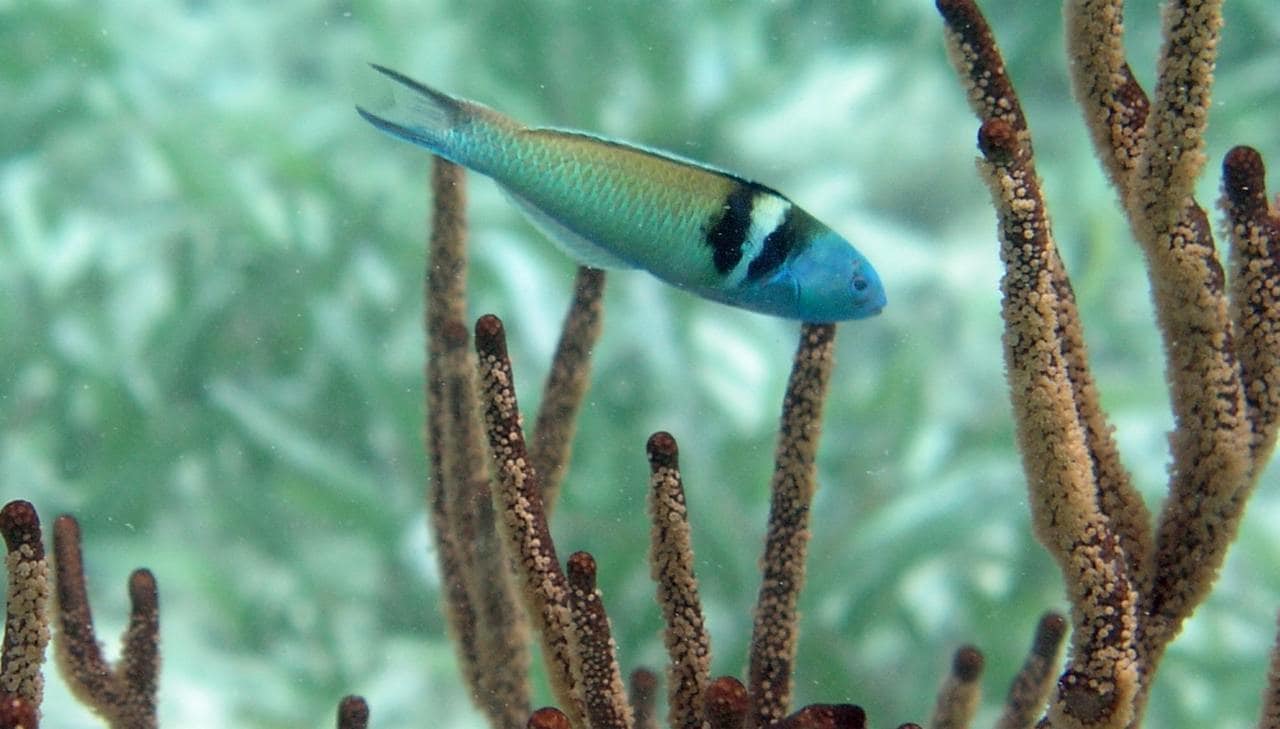
Bluehead wrasse. Image credit: Wikipedia[/caption]The study is important for understanding how genes get turned off and on during development in all animals including humans, and how the environment can influence this process."We found that sex change involves a complete genetic rewiring of the gonad. Genes needed to maintain the ovaries are first turned off, and then a new genetic pathway is steadily turned on to promote testis formation," said Dr Erica Todd, co-lead author of the study.Researchers said the amazing transformation also appears possible through changes in cellular "memory"."Chemical markers on DNA control gene expression and to help cells remember their specific function in the body. Our study is important because it shows that sex change involves profound changes in these chemical marks," said Ortega-Recalde, one of the researchers of the study."With dragon lizards, the trigger for a sex change is temperature, which overrides genes on the male sex chromosomes and causes embryos to develop as females. Sex reversal in dragons and the wrasse involve some of the same genes. So I think we are looking at an ancient system for environmental control of gene activity," added Prof Graves.

Careless Whispers: Scientists discover that plants can 'talk' to each other using smells
Life on Mars? European Space Agency’s Orbiter discovers ice water deposits at equator
Microsoft briefly overtakes Apple as the most valuable company, Apple back on top again
Even NASA is facing a tough time, starts layoffs following major budget cuts
ISRO, NASA's NISAR satellite to get ready by Jan-end, will monitor Earth's snow-covered regions