


Xiaomi Mi 10T Pro review: A whole lot of ‘Pro’ at a low price
Xiaomi’s low-cost flagship contender is not perfect, but it’s damn good value for your hard-earned money.

If there is another segment in the smartphone market that’s growing to be as competitive as budget smartphones, it has to be the budget flagship space.A few years ago, the low-cost flagship would be considered premium. But that’s now down in the food chain after the launch of the $1000 Apple iPhone X. Premium just got real when it broke the $1000 ceiling, and the cost of premium smartphones, be it iPhones or Android devices, has only risen.But with the rise of ultra-premium smartphones, this sub-Rs 45k segment seems to be flooded with options from various brands.Once dominated by OnePlus (in the good old “flagship killer” days), literally every smartphone brand out there now has a phone in this segment.In fact, it has become so important that even Xiaomi (that usually sticks to budget smartphones) launched a premium Mi 10 (Review) around May. And now, it has also decided to step down the ladder and followed up with a low-cost alternative, without the bells and whistles.
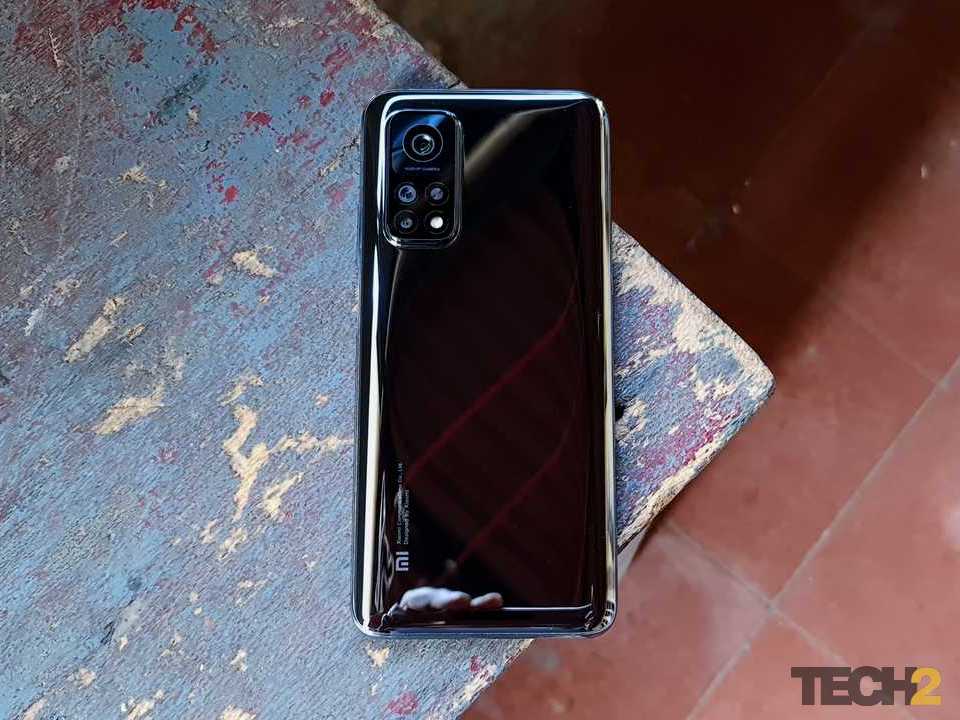
But wait, isn’t the ‘T’ model an upgrade to the existing model?
Not, really. At least, not in Xiaomi’s case. If the price tag is any indicator, this is the lesser variant to the Mi 10. It’s more of what a OnePlus 8T is to a OnePlus 8 Pro (low-cost vs premium), instead of what a OnePlus 8 is to a OnePlus 8T (low-cost vs upgraded low-cost). And that’s where things get really interesting.Xiaomi basically delivers a similar level of performance for Rs 5000 less. And this makes it rather confusing for a buyer; would that extra money spent on the premium Mi 10 be worth it?But there’s another angle to this interesting smartphone. Even if Xiaomi does not market it as a “flagship killer”, it’s pretty obvious that it is turning out to be one. It not only offers more value for your hard-earned money, but also does a pretty good job at being a flagship that’s worthy of its “Pro” title.
Practical design
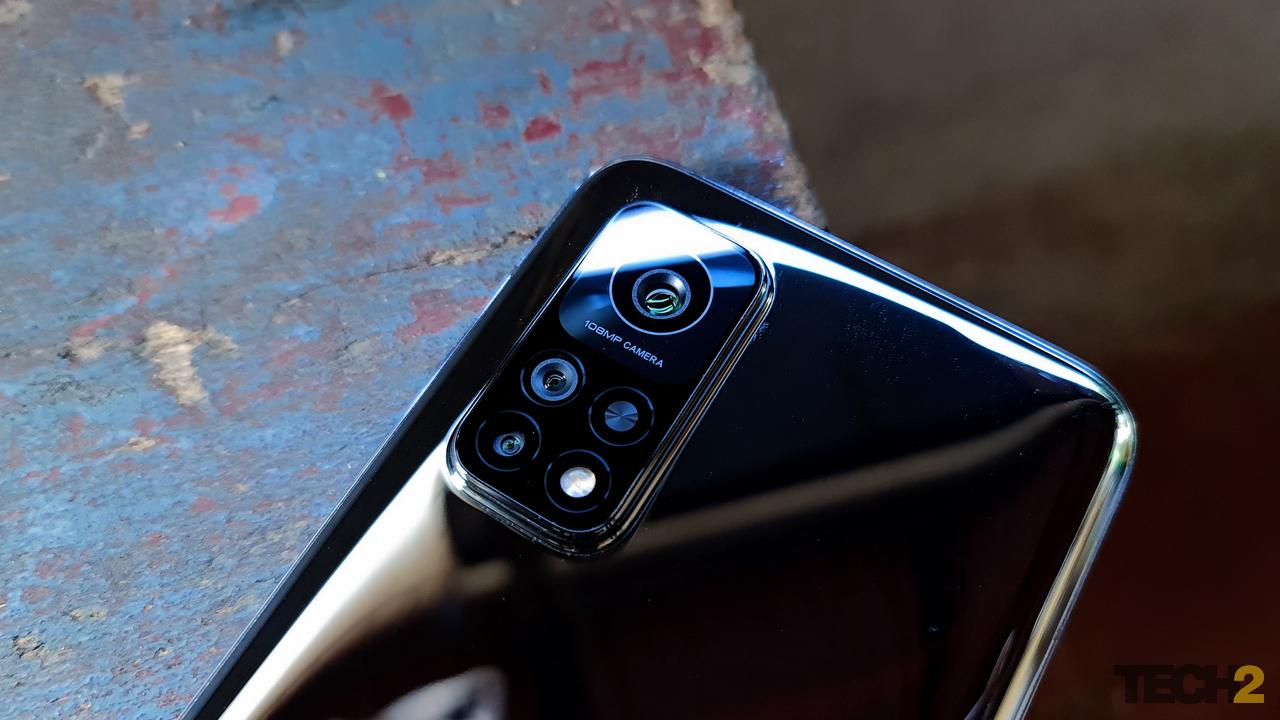
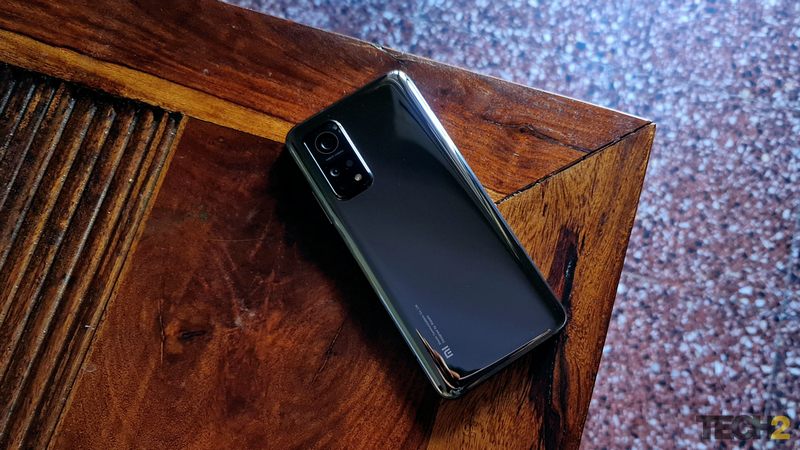
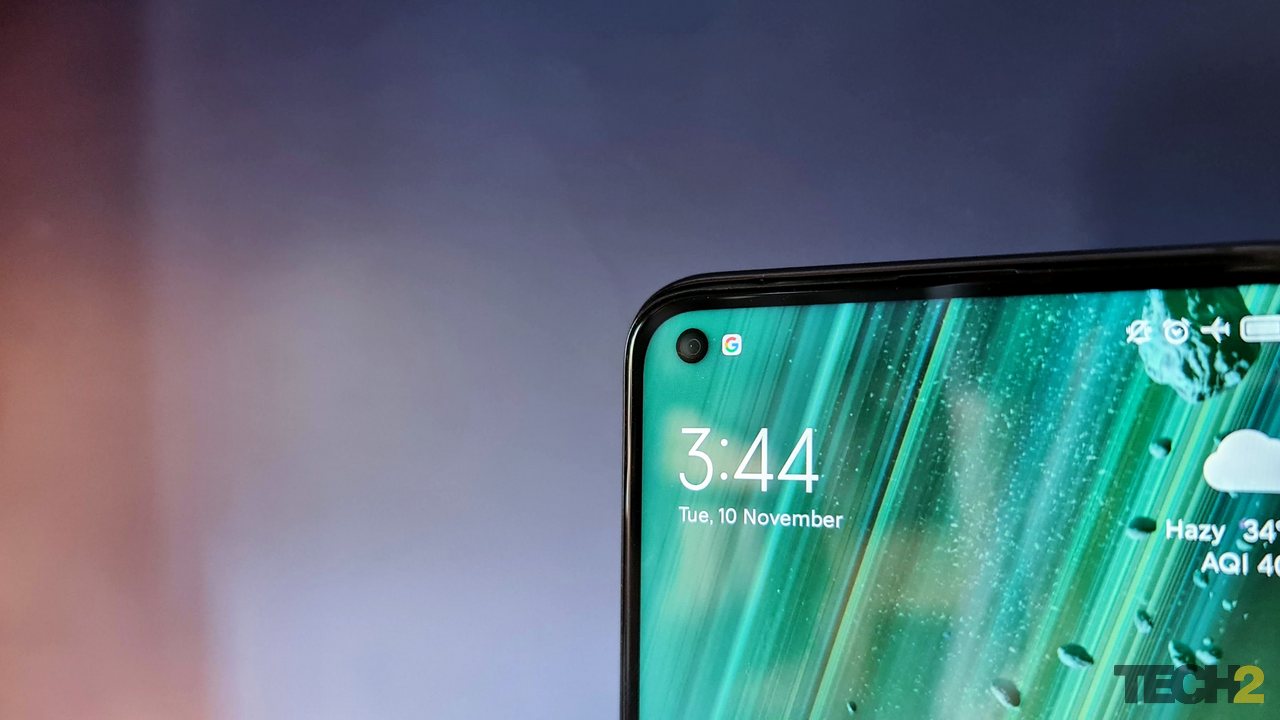
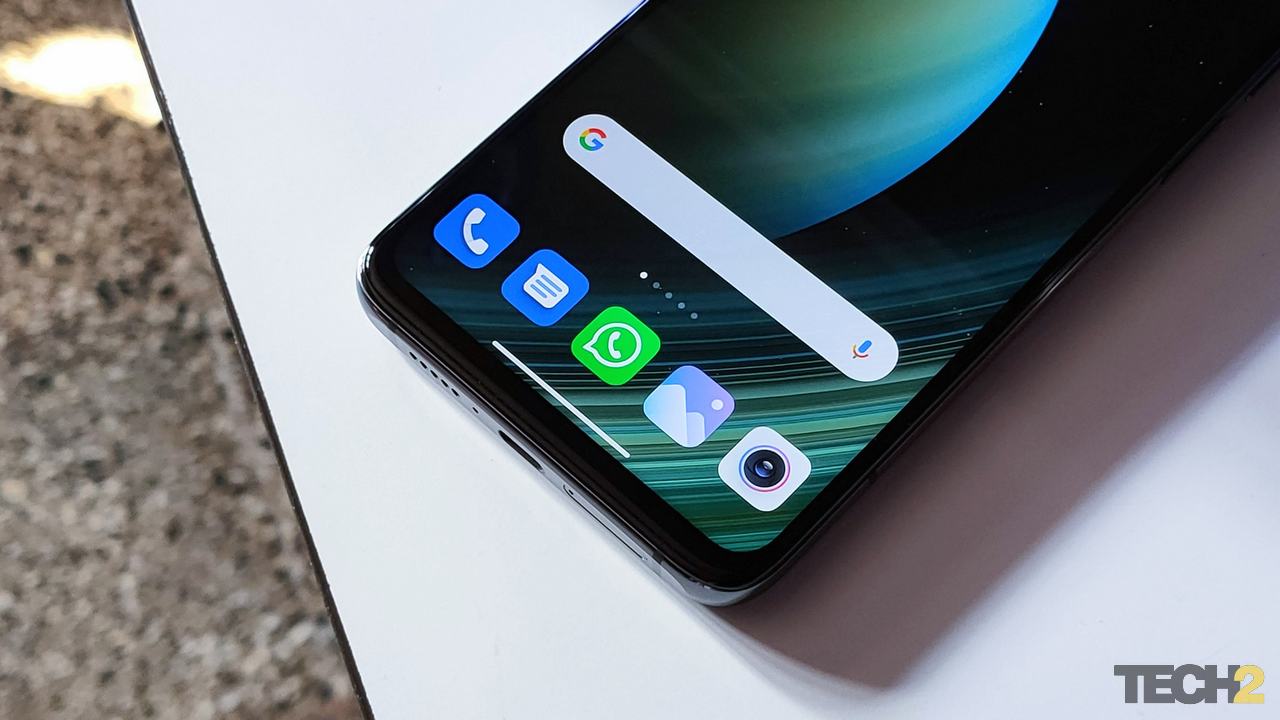
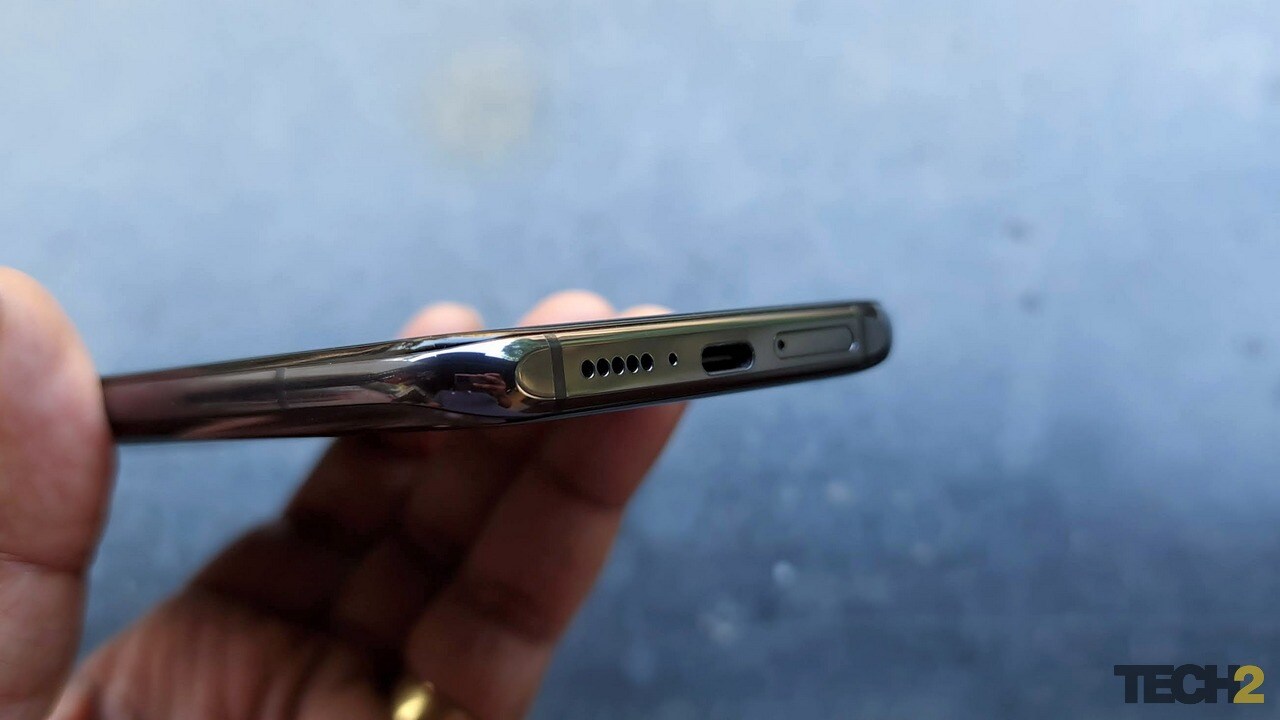
Glass back and display? Check! Metal frame? Check! Hole-punch display? Check!There’s really little to complain about the Mi 10T Pro’s design. It’s got everything you expect from a flagship smartphone and it’s got plenty of reasons to be a bit chunky (at 218 grams) as well.
An LCD display in a flagship?
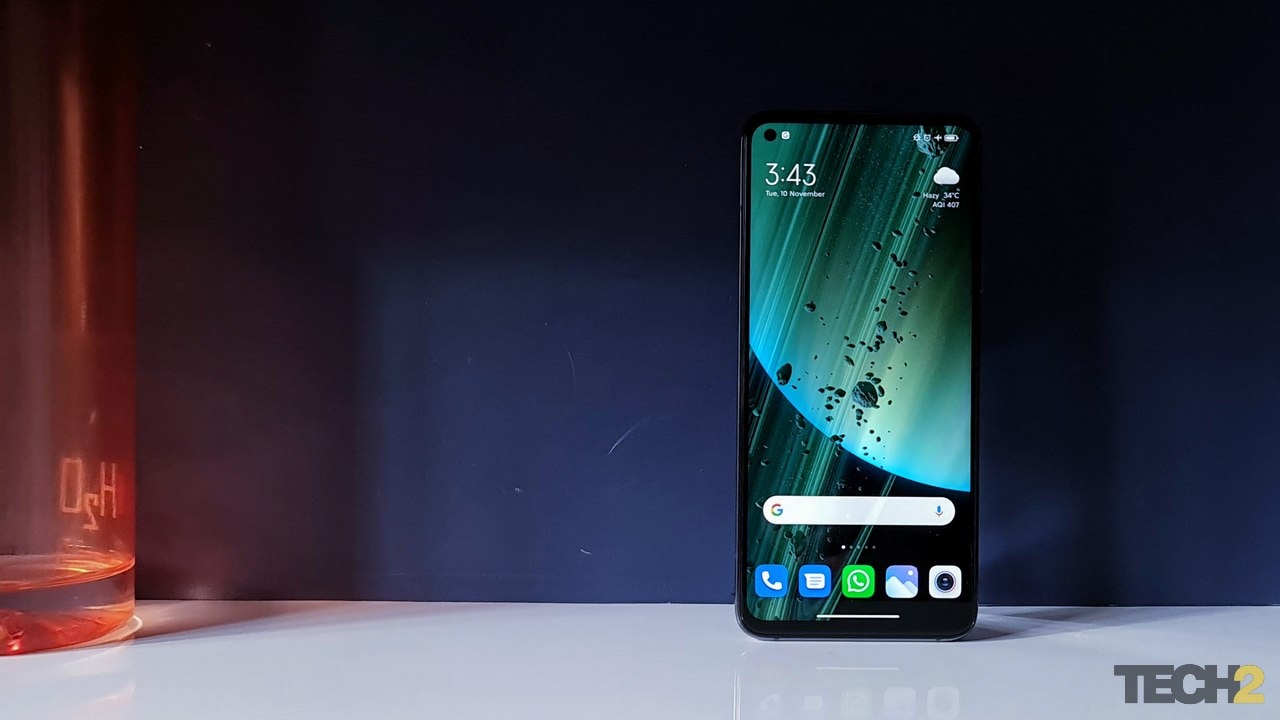
Yes! Many of us aren’t fans of LCD displays. Apple’s iPhone XR was laughed at with its HD Liquid Retina display, but it was a lovely one. The XR also turned out to be the best-selling iPhone model that year. In short, one can’t really judge a book by its cover.The 6.67-inch display on the Mi 10T Pro is flat and in line with what OnePlus and Samsung have on offer in this price range, just that it’s an LCD. But what it loses in deep blacks to the AMOLEDs, it makes up for with its smarts.Xiaomi calls it an ‘AdaptiveSync Display’. That’s marketing talk for an IPS LCD display with a variable refresh rate. This one hits it out of the park, with a 144Hz refresh rate, something that no other smartphone brand apart from Asus (ROG Phone 3), currently offers in India.
Performance you can feel
With a Qualcomm Snapdragon 865 chipset inside, this phone is well-equipped when it comes to multitasking apps or gaming, and Xiaomi’s MIUI software does play a vital role in this experience.MIUI 12 is not updated to the latest version of Android 11, but is stuck at Android 10 (and will be there for quite some time). Everything from the handy floating windows (that you can drag down from a notification) to the shockwave-like nudge of icons when you uninstall an app, make this OS worth a try, even if you aren’t a fan.There's also a handy Dual Wake feature that first showed up on the Redmi Note 8 Pro. It lets users summon Google's Assistant and Amazon's Alexa simultaneously when using voice commands. It worked flawlessly, accepting commands from both assistants after using the respective hot word.The camera interface, for instance, lets you change the ratio, framing, countdown and switching to macro camera with just two taps. Everything is basically where you want it to be, and it’s also quite customisable.
A brilliant camera… with a few shortcomings
The Mi 10T Pro gets you a slightly better camera setup compared to the Mi 10. There’s the usual 108 MP wide angle camera, a 13 MP ultra-wide and an upgraded 5 MP macro. What’s missing is the 2 MP depth camera and that decision comes at a cost of not-so-great edge detection when shooting portrait photos. The 20 MP selfie camera of the Pro may look similar to the one in the Mi 10 on paper, but it’s a different camera.In short, Xiaomi has cut a few corners with the Mi 10T Pro. But will you miss out on much?Not really. Not for most of us, at least.The primary camera shot some lovely photos (outdoors and indoors) during the day with a good amount of detail and excellent dynamic range. The sharpness is also just right. At times, the HDR imaging does go overboard, leading to some visually great, but synthetic-looking photos.Shooting fast-moving objects or kids can lead to a noticeable drop in detail indoors, and the lack of a dedicated depth sensor means edge-detection is not always spot on. The AI still pulls off a good job at edge detection when subjects are still or posing for the camera. But in most cases, I avoided the ‘Portrait’ mode as I was not happy with the results, and the larger 108 MP sensor delivered better, natural-looking bokeh thanks to the lens setup.Click here to see the camera samples: Things did not change much in low light, and the camera delivers a good amount of detail, but falls short on sharpness and colour accuracy. Thankfully, there is an excellent ‘Night’ mode that gets the job done quite nicely, getting the colour tones right.What I did not like was the ultra-wide. It took decent shots in broad daylight, but indoors, the photos were a murky mess. In low light, photos were not really usable, so it’s best to avoid this camera as much as possible.The 5 MP macro is an improvement over the 2 MP macro camera from the Mi 10, with more resolution. It can go a bit crazy with the colour at times, but the output is quite sharp and usable when you want to take close-ups of objects.Switching to video, things look quite good. The stabilisation, sharpness and detail from the Mi 10 make it here, and it’s now all accessible at a lower price. 8K also makes it here, and the quality is surprisingly good, whether you are shooting in daylight or low light. After sunset, things do get noisy, but the 4K footage did a better job at controlling the noise than the 1080p footage. This is strange and probably down to upscaling issues, thanks to the large sensor.I also tried out the various long exposure modes, and they look and work great provided you have a tripod. It’s just that they are shot at 12 MP (compared to the regular 20 MP binned output) and have enough detail for that Instagram post with a bit of editing, but nothing more.The 108 MP output is not as useful as it is on the Mi 10, as the photos don’t come out as sharp. The 20 MP selfie camera takes sharp-looking selfies in daylight, but not as good in low light and even when using the ‘Night’ mode, so it’s best to turn on that display flash in dim lighting conditions.
Excellent battery life
Even with a 5,000 mAh battery inside, I did not expect great battery life from the Mi 10T Pro because of that high refresh rate display. Surprisingly, the display did an excellent job of keeping up with my demanding usage, which included an hour or more of calls, constant WhatsApp, Emails, at least 10-15 photos, an hour of video streaming and an hour and half of gaming. I often ended up with 20 percent left in the tank, which is pretty good for a smartphone with such a high refresh rate display. Xiaomi does give you the option to stick to 90 Hz (better battery savings) or 60 Hz (even better battery savings). But once you go 144 Hz, you never want to go back.
Should you buy one?
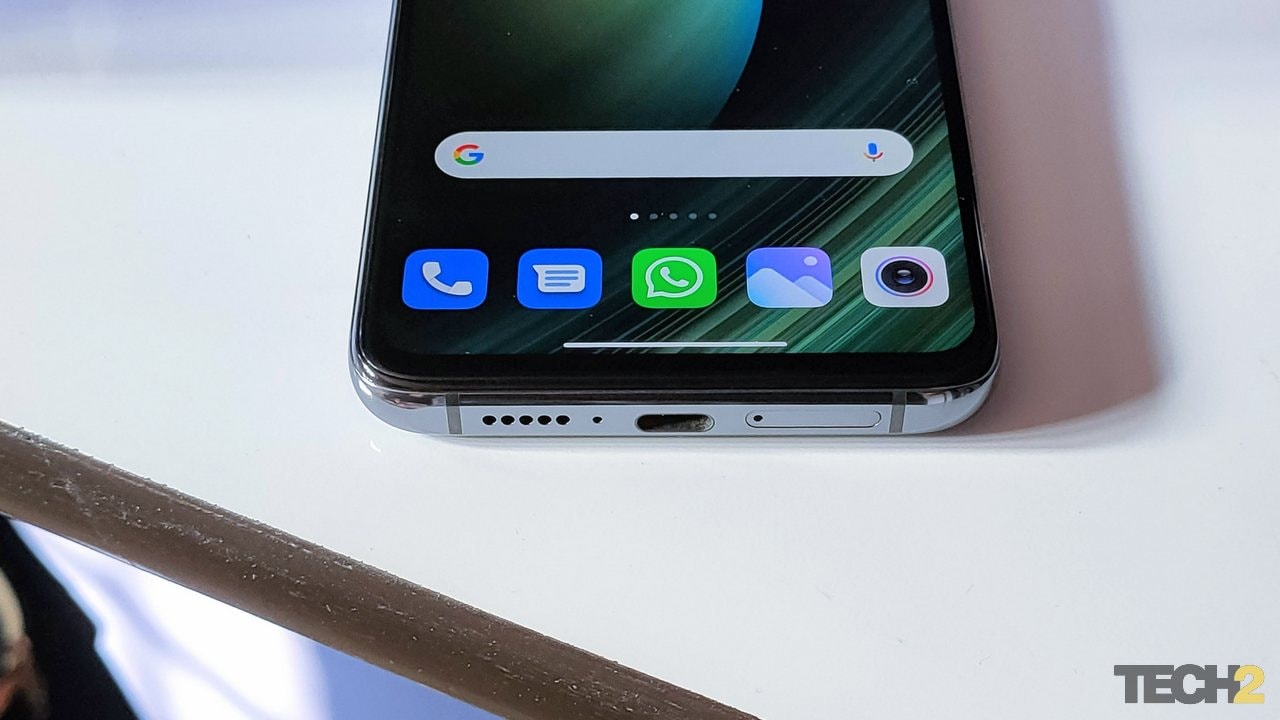
It may not seem like a lot on paper, but I’d still pick the Xiaomi’s Mi 10 over its Mi 10T Pro, because it’s a proper flagship and not a low-cost variant. It’s lighter, looks premium, features a classy curved 90 Hz curved edge OLED display with thin bezels all-round and even packs in 30 W wireless charging. There’s a better dual stereo speaker setup and better imaging quality as well. And it’s priced eerily close, with the 8+128 GB option going for Rs 44,999.If your budget is limited to Rs 40,000, then there’s really nothing else that comes close to the power and performance of the Mi 10T Pro. There’s also the 108 MP camera, 144 Hz refresh rate display and a 5000 mAh battery, that neither the OnePlus 8T nor the Samsung Galaxy S20 FE can offer. They also cost a few thousand more and as of writing this review, neither offers a stock (or almost stock) Android software experience either.If you are upgrading from an older OnePlus or seek a slimmer phone, you will be happier with OxygenOS 11 (that’s upgraded to Android 11, but not as stock as it used to be) and the faster 65 W Warp charging on the OnePlus 8T. However, the camera performance may not be on par with the Mi 10T Pro, and that slimmer form factor, OLED display and faster charging does come at an additional Rs 3000. Still, it’s really hard to ignore what you will be missing out on with the Mi 10T Pro, given the added features and the lower price tag.Despite its shortcomings, there’s really no beating the Xiaomi Mi 10T Pro at the value game. This is 2020’s flagship killer indeed!
 More from Reviews
Samsung Galaxy Fold 8 quick review: The new entry
Pova 8 review: Big battery, bold design—but is it worth the price?
Nothing Phone (4b) first impression: A unique design, bold specs and a question to ponder
Oppo Find X9s Review: A little less powerful but equally capable alternative to the Find X9
Samsung Galaxy A27 5G First Impressions: A budget phone with high-end potential