


YouTube finds influence campaign tied to Hong Kong protests: Report
Users in Hong Kong have posted images of ads posted by state-controlled media outlets

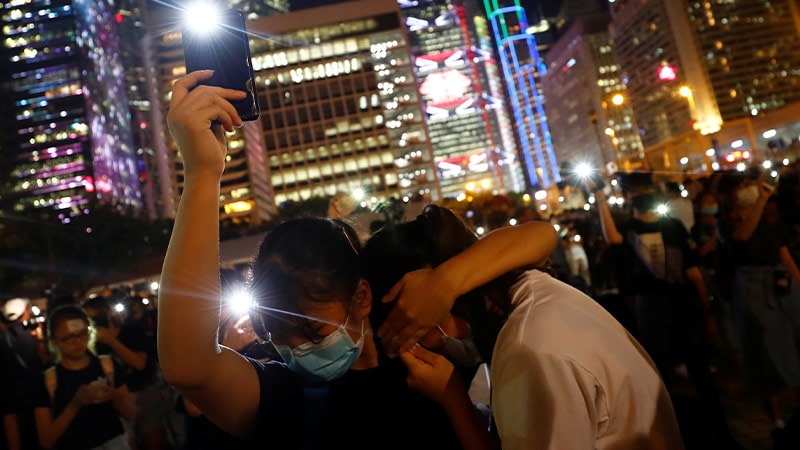
The Hong Kong protests were triggered by a Bill that aimed to send detainees to Mainland China for prosecution. Image: Reuters.[/caption]“We are deeply concerned by Chinese attempts to manipulate public opinion by spreading disinformation about the situation in Hong Kong,” a United States State Department spokeswoman told Reuters.The Chinese embassy in Washington did not respond to requests for comment. The Chinese mission to the United Nations sent Reuters a link to a story from the ruling Communist Party media outlet People’s Daily that said Twitter and Facebook “abused media freedom” in cracking down on accounts that had revealed violence in the protests. Twitter, Facebook and YouTube are all blocked in mainland China by the government but are available in Hong Kong. Each of the services bans deceptive practices and inauthentic accounts. The three companies have also come under fire from users for generating revenue and supporting state media and officials in China.Several social media users in Hong Kong have posted screenshots over the last two weeks that they said showed anti-protest advertising from outlets such as China Central Television, or CCTV, appearing on Twitter and YouTube. The ads criticized the Hong Kong protesters.In response, Twitter said Monday it would no longer accept advertising from state-controlled news media, a change that had been in the works for months. Facebook spokesman Andy Stone said “we continue to look at our policies as they relate to state-owned media.”YouTube said it did not plan to change its ads policies. But YouTube told Reuters that it would soon be expanding its labelling of state-backed media outlets in the region.YouTube places a disclaimer on its services from government-funded networks around the world, including Chinese broadcasters Xinhua, CCTV and CGTN, but it does not yet include the label for Chinese newspapers People’s Daily, China Daily and Global Times, Reuters found on Wednesday.Social media companies long have courted closer relationships with news outlets and politicians around the world, hoping that getting them to post on their services would, in turn, attract more users. But relationships with governments such as China, which regularly faces criticism of its human rights record, have drawn scrutiny from users and lawmakers in the United States.Facebook’s Stone confirmed the company has conducted training in China for government and state media personnel.“We provide a standard set of guidance and best practice training to groups around the world including governments, political parties, media outlets, and non-profits so they can manage their Facebook Pages,” he said.Twitter and YouTube did not immediately respond to questions about their support and training for state media outlets, but Bloomberg on Wednesday reported that Twitter has trained Chinese officials on how to use its tools.

Why AI notetakers are raising serious privacy and security concerns
China's low-cost AI models are changing the global AI race. Here's why Silicon Valley is worried
China's Kimi K3 challenges US AI leaders with frontier-level performance at lower cost
How did Instagram run ads promoting child abuse in India?
Why has India halted WhatsApp’s username feature before launch?