


Xiaomi, Vivo, Oppo, Huawei to build a platform to rival Google's Play Store
A prototype website says the platform will initially cover nine “regions” including India, Indonesia and Russia.

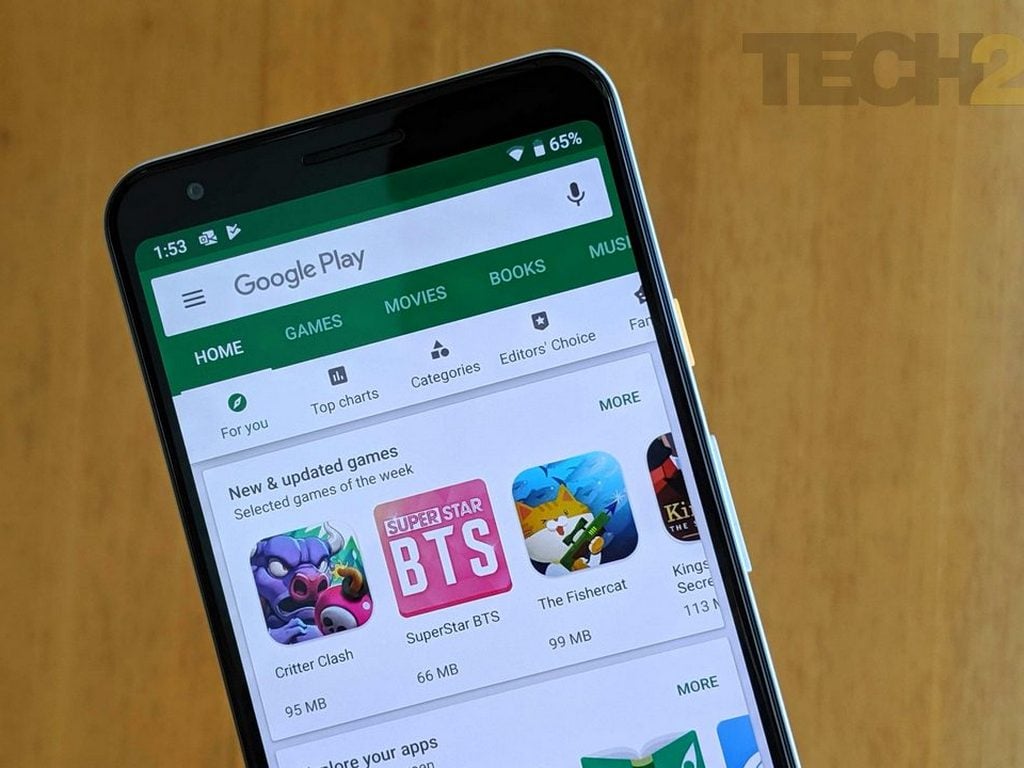
Google earned about $8.8 billion globally from the Play store in 2019.[/caption]A prototype website says the platform will initially cover nine “regions” including India, Indonesia and Russia.Oppo and Vivo are both owned by Chinese manufacturer BBK Electronics. All four companies declined to comment for this story.Google, whose services are banned in China, earned about $8.8 billion globally from the Play store in 2019, said Katie Williams, an analyst at Sensor Tower. Google also sells content such as movies, books and apps on the Play store and collects a 30 percent commission.Google did not respond to a request for comment.“By forming this alliance each company will be looking to leverage the others’ advantages in different regions, with Xiaomi’s strong user base in India, Vivo and Oppo in Southeast Asia, and Huawei in Europe,” said Nicole Peng, the VP of Mobility at Canalys.“Secondly, it’s to start to build some more negotiation power against Google,” she added.Together the four companies made up 40.1 percent of global handset shipments in the fourth quarter of 2019, according to the consultancy IDC. While Oppo, Vivo and Xiaomi have full access to Google services in international markets, Huawei lost access for new devices last year after the United States barred American suppliers from selling goods and service to it, citing national security.Chinese vendors are trying to capture a greater share of software and services as hardware sales slow, said Will Wong, a smartphone analyst with IDC.“App store, pre-loading apps, advertisements and gaming are areas that could generate new revenue” he said.Huawei is also moving away from Google by developing its own Harmony OS as an alternative.The GDSA’s website includes the logo of Wanka Online, a Hong Kong-listed Android “ecosystem” platform next to a contact for the GDSA’s General Secretariat. Wanka declined to confirm its involvement.The GDSA might be able to lure some app developers by providing more exposure than the already-crowded Play store, and the new platform could provide better monetary incentives, analysts said.“By making it simple for developers to increase their reach across multiple app stores, Huawei, Oppo, Vivo, and Xiaomi stand to attract more developers and, ultimately, more apps,” said Williams.However, managing the alliance may be a challenge Peng said. “The execution is difficult as its hard to say which company is pulling more weight and investing more in it. We haven’t seen the alliance model work well in the past.”

Why AI notetakers are raising serious privacy and security concerns
China's low-cost AI models are changing the global AI race. Here's why Silicon Valley is worried
China's Kimi K3 challenges US AI leaders with frontier-level performance at lower cost
How did Instagram run ads promoting child abuse in India?
Why has India halted WhatsApp’s username feature before launch?