


US Supreme Court asks Justice Department for its views on Apple antitrust case
Apple said the case should be thrown out as only developers of the apps who were charged the commissions, not consumers, should be entitled to the suit.

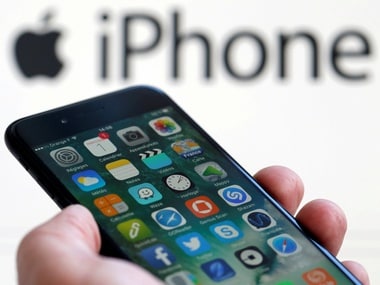
Reuters[/caption]The justices are considering whether to take up Apple’s appeal of a lower court ruling that allowed the proposed class-action suit alleging it violated federal antitrust law to proceed. Apple said the case should be thrown out because only developers of the apps who were charged the commissions, not consumers, should be entitled to bring such a suit. Apple charges app developers a 30 percent commission on App Store consumer purchases.The Justice Department will provide the high court with its stance on the matter.The dispute could have a major impact on electronic commerce, which has seen explosive growth, with $390 billion in U.S. retail sales last year alone.Electronic marketplaces like the App Store, ticket site StubHub, Amazon’s Marketplace and eBay where individual sellers set prices rather than the marketplace itself potentially could be sued by consumers.The antitrust claims date back to a 2011 lawsuit filed by several iPhone buyers in California federal court, including lead plaintiff Robert Pepper of Chicago, according to court papers. They allege that Cupertino, California-based Apple has monopolized the sale of apps like messaging programs and games, leading to inflated prices.The company has sought to have the antitrust claims dismissed, saying the plaintiffs did not have legal standing to bring the case because they are not charged the commission.The plaintiffs countered that they, not the developers, pay Apple for apps at prices that include the commission, which they called a “monopolistic surcharge.”The San Francisco-based 9th U.S. Circuit Court of Appeals in January sided with the plaintiffs, ruling that because consumers directly bought products from Apple they were entitled to sue.

Why AI notetakers are raising serious privacy and security concerns
China's low-cost AI models are changing the global AI race. Here's why Silicon Valley is worried
China's Kimi K3 challenges US AI leaders with frontier-level performance at lower cost
How did Instagram run ads promoting child abuse in India?
Why has India halted WhatsApp’s username feature before launch?