


Truecaller reportedly hacked, one million Indian users at risk
Reports are emerging online that Truecaller, a mobile application which allows cellphone users to trace callers' ID and location in exchange for allowing the app access to their phone directories, has been hacked by the Syrian Electronic Army (SEA), a hacktivist group

Reports are emerging online that Truecaller, a mobile application which allows cellphone users to trace callers' ID and location in exchange for allowing the app access to their phone directories, has been hacked by the Syrian Electronic Army (SEA), a hacktivist group.
It was just last month that Truecaller announced that it had over a million users in India, of its twenty million users worldwide.
[caption id="attachment_966403" align="alignleft" width="380"]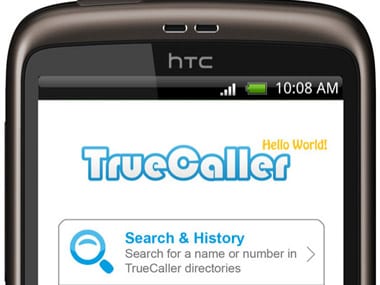 Truecaller screen.[/caption]
The reports have not so far been confirmed by Truecaller. The news was broken by ehackingnews.com, which spied a tweet from the SEA which said: "Sorry @Truecaller, we needed your database, thank you for it :) http://truecaller.com #SEA #SyrianElectronicArmy".
Sorry @Truecaller, we needed your database, thank you for it :) http://t.co/fC6ZyYAGTG #SEA #SyrianElectronicArmy
- SyrianElectronicArmy (@Official_SEA12) July 17, 2013
Speaking to E Hacking News, the hackers said they have hacked into the TrueCaller's server and downloaded more than 7 databases. The said the main database is 450GB.
 More from News Analysis
The downloaded database includes truecaller_ugc(459GB), truecaller (100GB),truecaller_profiles( 4GB), truecaller_api(123KB), truecaller_PushMe(2.2KB), tc_admin(7MB), tc_www:(70MB).
From the @TrueCaller Database #SEA #SyrianElectronicArmy pic.twitter.com/sqUQpAGJQf
- SyrianElectronicArmy (@Official_SEA12) July 17, 2013
The SEA in the past has hacked the Associated Press news agency, the satire website The Onion and the BBC. The Syrian Electronic Army (SEA) claims responsibility for defacing or otherwise compromising scores of websites that it contends spread news hostile to the Syrian government or fake news.
The Truecaller database is claimed to have access codes of more than million Facebook, Twitter, Linkedin and Gmail accounts that will allow hackers to post updates from victim's account.

Why AI notetakers are raising serious privacy and security concerns
China's low-cost AI models are changing the global AI race. Here's why Silicon Valley is worried
China's Kimi K3 challenges US AI leaders with frontier-level performance at lower cost
How did Instagram run ads promoting child abuse in India?
Why has India halted WhatsApp’s username feature before launch?