


Qualcomm's ultrasonic sensor could be exclusive to Samsung till mid 2019: Report
Qualcomm's hardware is expected to cover as much as 30 percent of the Samsung Galaxy S10's display.

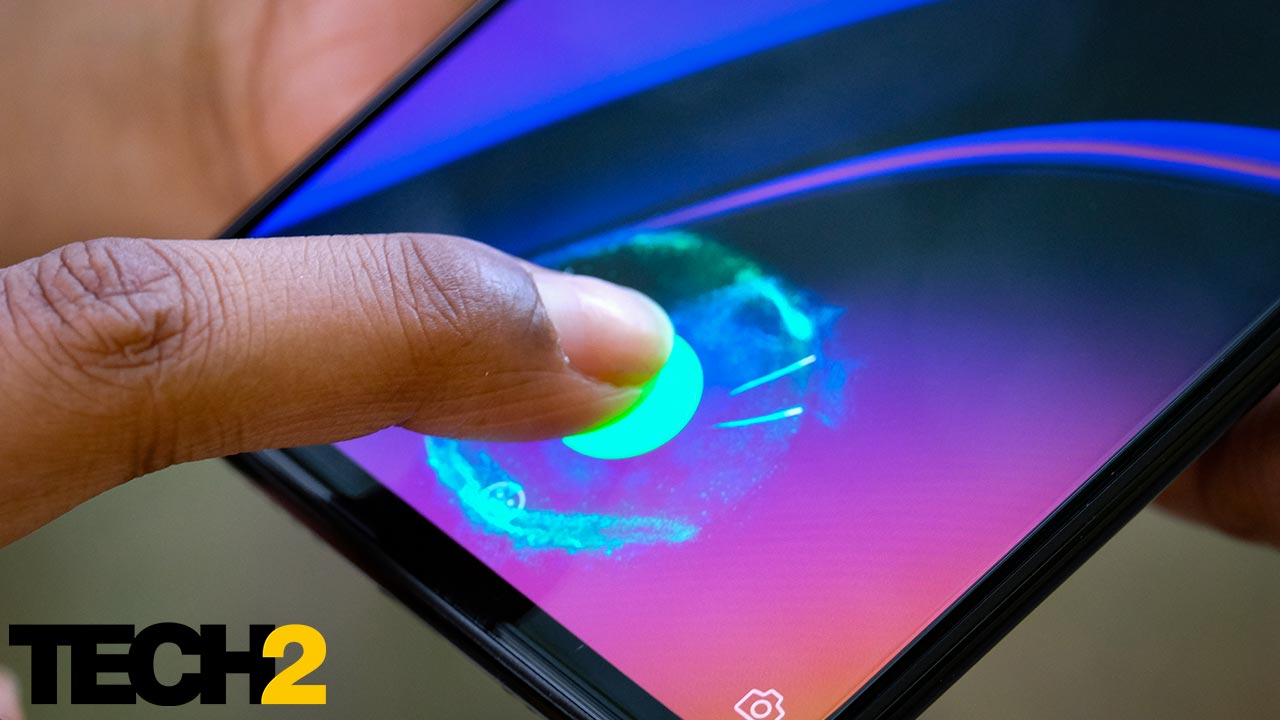
The ultrasonic fingerprint scanner on the OnePlus 6T is slow and not very reliable. Image: Tech2/Anirudh Regidi[/caption]Why is this bad news for other OEMs?Well, Qualcomm is still to unveil its in-display fingerprint sensor for a reason and as per the report, it's everything to do with accuracy and area of the display the sensor covers. Qualcomm's hardware is expected to cover as much as 30 percent of the display, which will drastically increase the space one has to place a finger for authentication. If the rights to use this sensor remains exclusive to Samsung for the first half of 2019, then we might see a surge in the number of flagship devices opting for an ultrasonic fingerprint sensor only in the second half of 2019.What makes ultrasonic sensors unique in comparison to the in-display scanners seen on Vivo and Oppo phones is the fact that the latter uses optical sensors. The ultrasonic sensor detects the user's fingerprint by sending an ultrasonic pulse against the finger to map the pores and ridges. In comparison, optical fingerprint sensors use light to illuminate the pores and ridges on your finger and make a 2D map.Now, the recently launched OnePlus 6T too has an ultrasonic fingerprint scanner but one issue that mars its use is that the user is forced to place the finger at a particular spot. This is something that the Qualcomm sensor on the Galaxy S10 will look to improve on.

Why AI notetakers are raising serious privacy and security concerns
China's low-cost AI models are changing the global AI race. Here's why Silicon Valley is worried
China's Kimi K3 challenges US AI leaders with frontier-level performance at lower cost
How did Instagram run ads promoting child abuse in India?
Why has India halted WhatsApp’s username feature before launch?