


On singles day, waste from China's e-commerce delivery will quadruple from 2025 says green groups
Greenpeace estimates that the waste exceeds 250,000 tonnes even though there is no official figure.

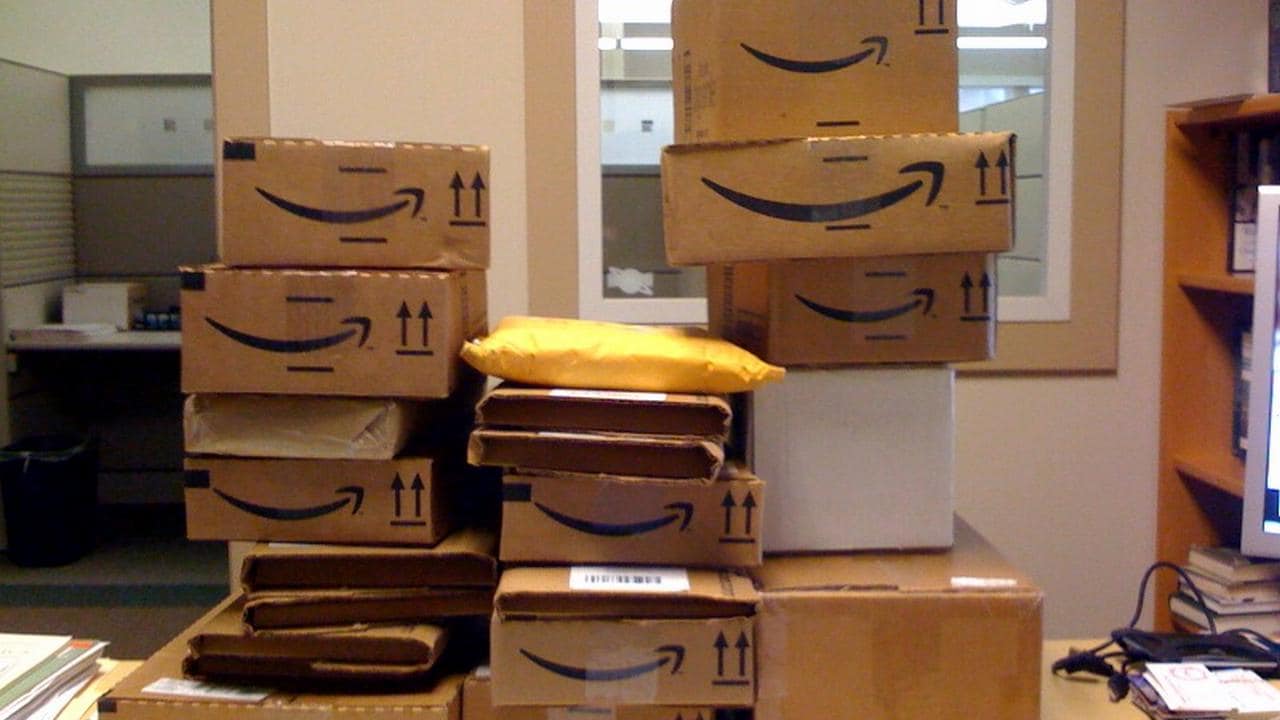
The packaging form online delivery services in China will quadruple by 2025. Image credit: Flickr/ Public resource org[/caption]Sales hit CNY 84 billion ($12 billion) in the first hour of the Singles' Day annual event, up 22 percent from last year, China e-commerce giant Alibaba Group said.As e-commerce giants work to extend their reach into rural regions, 1.88 billion packages were delivered from November 11 to November 16 last year, an annual increase of almost 26 percent, the State Post Bureau said.There is no official figure for the waste generated, but Greenpeace estimates it to have exceeded 250,000 tonnes.China has moved to turn to recycle into a profitable business as space for landfills becomes scarcer and environmental concern grows over plastic waste, but has yet to tackle e-commerce waste, only recycling around five percent of plastic packaging, the green groups said in their report.Last month, China's market regulator published new draft packaging standards that will restrict courier firms to an approved list of recyclable material.In October, Alibaba said it was now "greener than ever" and provided incentives for customers to recycle, adding that its delivery subsidiary Cainiao would observe November 20 as a special cardboard recycling day.
Another online retailer, JD.com, also announced it had cut back on adhesive tape and paper used at warehouses, besides adopting more recyclable materials.China is building 100 "comprehensive resource utilisation bases", creating pilot "zero-waste" cities and pushing for mandatory trash sorting rules in major hubs, such as its commercial capital of Shanghai."We cannot say China is not recycling," said Antoine Grange, chief executive for recycling at SUEZ Asia, who estimated such rates could be as high as 25 percent overall."One point that is more difficult in China is traceability, and the lack of infrastructure to separate waste."
Why AI notetakers are raising serious privacy and security concerns
China's low-cost AI models are changing the global AI race. Here's why Silicon Valley is worried
China's Kimi K3 challenges US AI leaders with frontier-level performance at lower cost
How did Instagram run ads promoting child abuse in India?
Why has India halted WhatsApp’s username feature before launch?