
Advertisement


Sections
Oculus Rift S with built-in sensors unveiled at GDC 2019; arrives in Spring 2019
The Oculus Rift S VR headset features the company’s new inside-out “Insight” camera tracking system.

Oculus has just unveiled its new PC-based VR headset, the Rift S at GDC 2019. The new headset features built-in sensors for inside-out tracking which means you no longer need to set up external camera sensors if you use a Rift S.[caption id="attachment_6299391" align="alignnone" width="1024"]![Oculus Rift S]() Other notable improvements with the Rift S include a new head strap which has a similar design to the ring-like PlayStation VR headband with a dial on the back. There is integrated audio on the headset so separate audio devices aren't necessary, but a 3.5mm audio jack still allows you to use your own headphones.In case you're wondering, the Oculus Rift S headset will ship with the company's Touch motion controllers which were earlier available with the Rift. Oculus also has a downloadable tool to help you find out if your system meets the necessary benchmarks before you buy the Rift S.The Oculus Rift S will cost $399, an increase of $50 from the Rift and will start shipping in Spring 2019.
Other notable improvements with the Rift S include a new head strap which has a similar design to the ring-like PlayStation VR headband with a dial on the back. There is integrated audio on the headset so separate audio devices aren't necessary, but a 3.5mm audio jack still allows you to use your own headphones.In case you're wondering, the Oculus Rift S headset will ship with the company's Touch motion controllers which were earlier available with the Rift. Oculus also has a downloadable tool to help you find out if your system meets the necessary benchmarks before you buy the Rift S.The Oculus Rift S will cost $399, an increase of $50 from the Rift and will start shipping in Spring 2019.
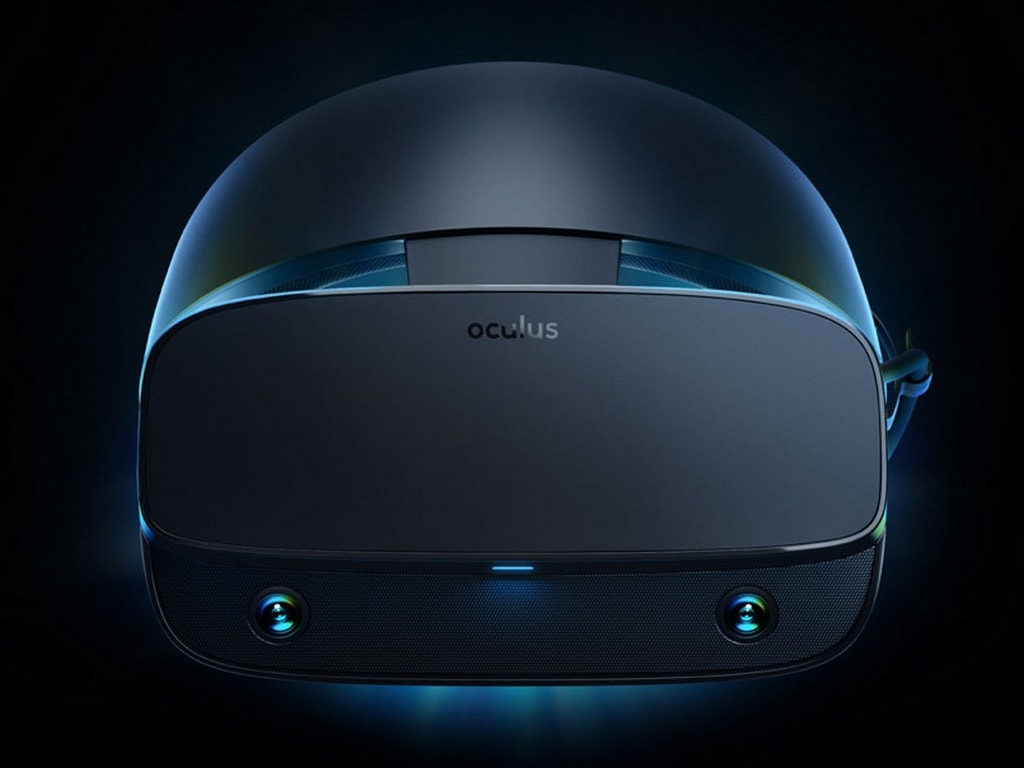
Oculus Rift S[/caption]The new built-in sensors form what Oculus calling "Insight" and these sensors are capable of free-roaming room scale VR gaming. The Rift S features five separate sensors on the headset and also get a bump in visual output quality. You now get a 1280 x 1440 pixel resolution, up from 1080 x 1200 pixels. However, the refresh rate has been brought down to 80Hz from the previous 90Hz. This was done to offset the increase in resolution in order to maintain the same required PC hardware specifications to run Oculus games.As per a report by TechCrunch, the field of view is also now "slightly larger" on the Rift S.
First Published:Mar 20, 2019, 22:11:24 IST
Advertisement
Advertisement

Why AI notetakers are raising serious privacy and security concerns
AI notetakers promise effortless meeting summaries, but experts warn they could expose confidential conversations, corporate secrets and personal voiceprints. As businesses increasingly adopt AI-powered meeting assistants, questions over data storage, privacy, consent and legal risks are becoming impossible to ignore
5 min read
China's low-cost AI models are changing the global AI race. Here's why Silicon Valley is worried
As Chinese firms continue to improve performance while keeping prices low, the AI race is no longer just about building the smartest model—it is increasingly becoming a battle over who can deliver the best value
2 min read
China's Kimi K3 challenges US AI leaders with frontier-level performance at lower cost
Chinese artificial intelligence startup Moonshot AI has unveiled its latest open-weight AI model, Kimi K3, with early results suggesting it could compete with some of the world's most advanced AI systems developed by leading US companies
2 min read
How did Instagram run ads promoting child abuse in India?
India has issued a notice to Meta after an investigation alleged that Instagram displayed paid advertisements promoting child sexual abuse material. MeitY ordered Meta to remove such Instagram ads and explain within seven days how they were approved
8 min read
Why has India halted WhatsApp’s username feature before launch?
India has halted WhatsApp’s planned username feature, citing concerns about cybercrime, impersonation, and law enforcement challenges. As Meta races to address security concerns, here’s why MeitY has paused the rollout, what the feature does, and how it could influence privacy and online safety in India
3 min read
Advertisement
Advertisement