


Microsoft announces ethical principles for use of its facial recognition technology
Microsoft said it would formally launch these principles, together with supporting framework, before the end of March 2019

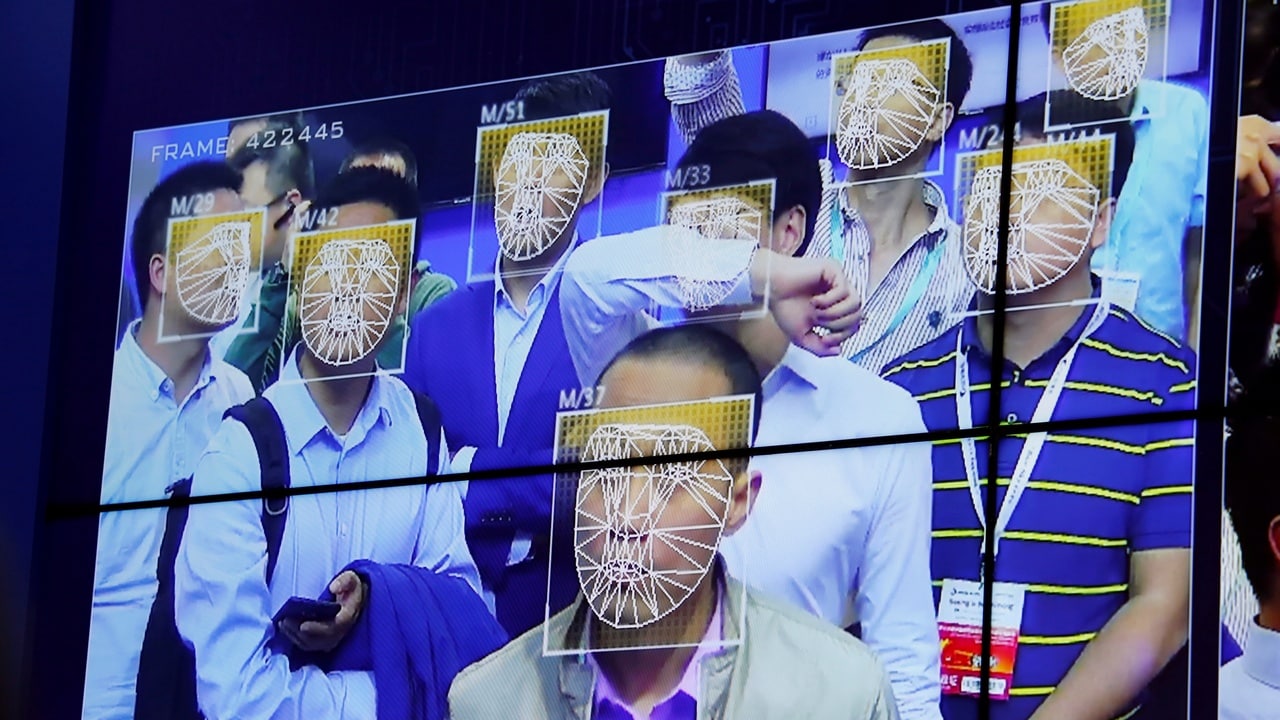
Visitors experience facial recognition technology at Face++ booth during the China Public Security Expo in Shenzhen. Reuters[/caption]Identifying faces has become a common feature in consumer products including Apple Inc’s iPhone, with Amazon.com Inc and Alphabet Inc’s Google offering recognition services as well.But questions have been raised over the use of such technology.US civil liberties groups in May called on Amazon to stop offering facial recognition services to governments, warning that the software could be used to target immigrants and people of colour unfairly.Microsoft said in the blog post it will document and communicate the capabilities of the technology, as well as prohibit the use of facial recognition technology to engage in unlawful discrimination.The other principles listed were fairness, accountability, notice and consent, and lawful surveillance.Microsoft has also not promised to bar the sale of face recognition technology to law enforcement, which is what the American Civil Liberties Union has asked for.Microsoft said it would formally launch these principles, together with supporting framework, before the end of March 2019, but did not detail how it would implement its new principles.

Why AI notetakers are raising serious privacy and security concerns
China's low-cost AI models are changing the global AI race. Here's why Silicon Valley is worried
China's Kimi K3 challenges US AI leaders with frontier-level performance at lower cost
How did Instagram run ads promoting child abuse in India?
Why has India halted WhatsApp’s username feature before launch?