


Libra shouldn't be launched until the international risks it poses are addressed: G7 nations
Amid sharp regulatory scrutiny, the 21 firms backing Libra pledged to forge ahead with the project.

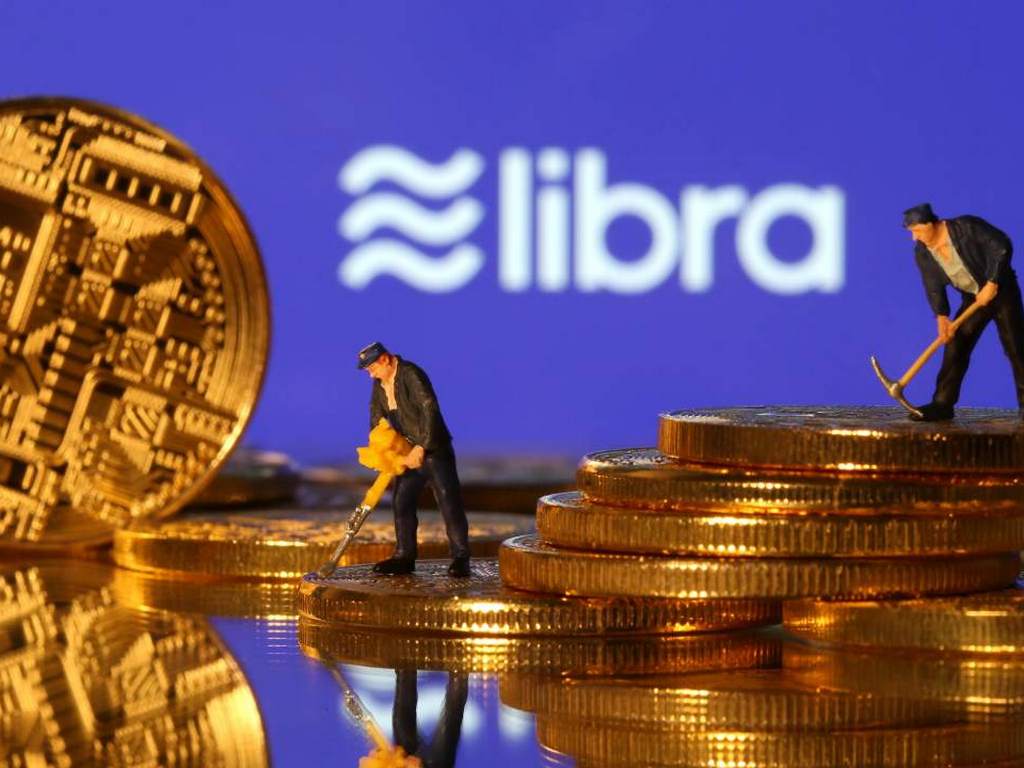
The report underscores concern among global policymakers about stablecoins such as Libra, and presents a further headache for Facebook's project after a chastening week. Image: Reuters[/caption]"The G7 believes that no global stablecoin project should begin operation until the legal, regulatory and oversight challenges and risks" are addressed, said the task force, which is chaired by European Central Bank board member Benoit Coeure."Private sector entities that design stablecoin arrangements are expected to address a wide array of legal, regulatory and oversight challenges and risks," the report added.The report underscores concern among global policymakers about stablecoins such as Libra, and presents a further headache for Facebook's project after a chastening week.Amid sharp regulatory scrutiny, the 21 firms backing Libra pledged on Monday to forge ahead with the project, shrugging off the defection of a quarter of its original members, including payments giants Visa and Mastercard, this month.
Stablecoins and payments
In June, Facebook unveiled its Libra coin, a form of stablecoin backed by currencies from the dollar to the euro and government debt, in one of the most high-profile attempts to draw cryptocurrencies into the banking and corporate establishment their creators sought to subvert.Stablecoins aim to overcome the extreme volatility that plagues cryptocurrencies and renders them impractical for commerce and payments.Yet Libra drew immediate and sustained criticism. Policymakers voiced concerns about its potential to destabilise the global financial system and erode the power of countries to control monetary policy. Others said it could undermine users' privacy.The G7 report said authorities should apply to stablecoins existing rules on payments and anti-money laundering, as well as capital market and banking standards.It added that new rules may be needed to deal with the emerging technology, with the Financial Stability Board - a body created after the 2008 financial crisis - assessing related regulatory issues before reporting to the Group of 20 wealthy nations in April.Stablecoins had before Libra attracted virtually no attention from global policymakers, partly because of their relatively tiny size. The biggest, Tether, is only a fraction of the size of bitcoin, the No.1 cryptocurrency.Facebook says Libra is designed to address inefficiencies in the global payments system, which is beset by high fees, lengthy transfer times and a lack of reliability. That hinders, and in many cases prevents, people from making cross-border payments, especially in developing countries.The G7 said central banks, finance ministries and other authorities should work to address these weaknesses in payments systems. The public sector, it said, should step up efforts to bring people lacking access to banking services into the financial system.It added that central banks, by themselves and in cooperation with one another, should look at issuing their own digital currencies.

Why AI notetakers are raising serious privacy and security concerns
China's low-cost AI models are changing the global AI race. Here's why Silicon Valley is worried
China's Kimi K3 challenges US AI leaders with frontier-level performance at lower cost
How did Instagram run ads promoting child abuse in India?
Why has India halted WhatsApp’s username feature before launch?