


India's transition to electric and connected mobility system can save $330 billion: Report
Even under a shared mobility paradigm, over 46,000,000 vehicles (two, three, and four wheelers) could be sold by 2030, said the report.

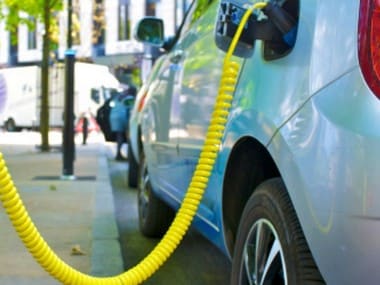
Representational image.[/caption]Even under a shared mobility paradigm, over 46,000,000 vehicles (two, three, and four wheelers) could be sold by 2030, it said."This annual market size would present an opportunity for Indian companies to become leaders in EV (electric vehicle) technology on a global scale," it added.The report said overcoming key barriers to vehicle electrification in the country's passenger mobility sector presents an enormous challenge for India and also a tremendous economic opportunity.(Also Read: Challenges and solutions to developing India's Electric Vehicle charging infrastructure)"India can leapfrog the western mobility paradigm of private-vehicle ownership and create a shared, electric and connected mobility system, saving 876 million metric tons of oil equivalent, worth $330 billion and 1 giga-tonne of carbon-dioxide emissions by 2030," it said.It added that the main barriers to EV adoption include price, charging and consumer awareness. EV charging infrastructure, battery swapping and manufacturing are some of the areas which can help overcome these barriers, the report said.

Why AI notetakers are raising serious privacy and security concerns
China's low-cost AI models are changing the global AI race. Here's why Silicon Valley is worried
China's Kimi K3 challenges US AI leaders with frontier-level performance at lower cost
How did Instagram run ads promoting child abuse in India?
Why has India halted WhatsApp’s username feature before launch?