


Huawei keen to beat Samsung at its own game, to build the first foldable phone
After tying up with BOE, Huawei is expected to initially produce nearly 20,000 to 30,000 units.

As Samsung looks forward to celebrating the tenth anniversary of its Galaxy series by launching a foldable screen, Huawei is reportedly vying to become the first manufacturer to launch a foldable screen.According to a report by the Nikkei Asian Review, Huawei has tied up with Chinese display panel manufacturer BOE to supply flexible OLED screen. BOE is a lesser known Chinese display manufacturer which receives subsidies from the Chinese government. Recently, BOE and Apple tied up to provide the latter display panels for iPhones. And now the company is looking ahead to capture the OLED display market which has long been held by Samsung.The South Korean giant provides OLED displays for Apple currently. Moreover, BOE has announced an 'unbreakable display screen', which can put pressure on Huawei to create a foldable display screen which is durable.[caption id="attachment_4789501" align="alignnone" width="1280"]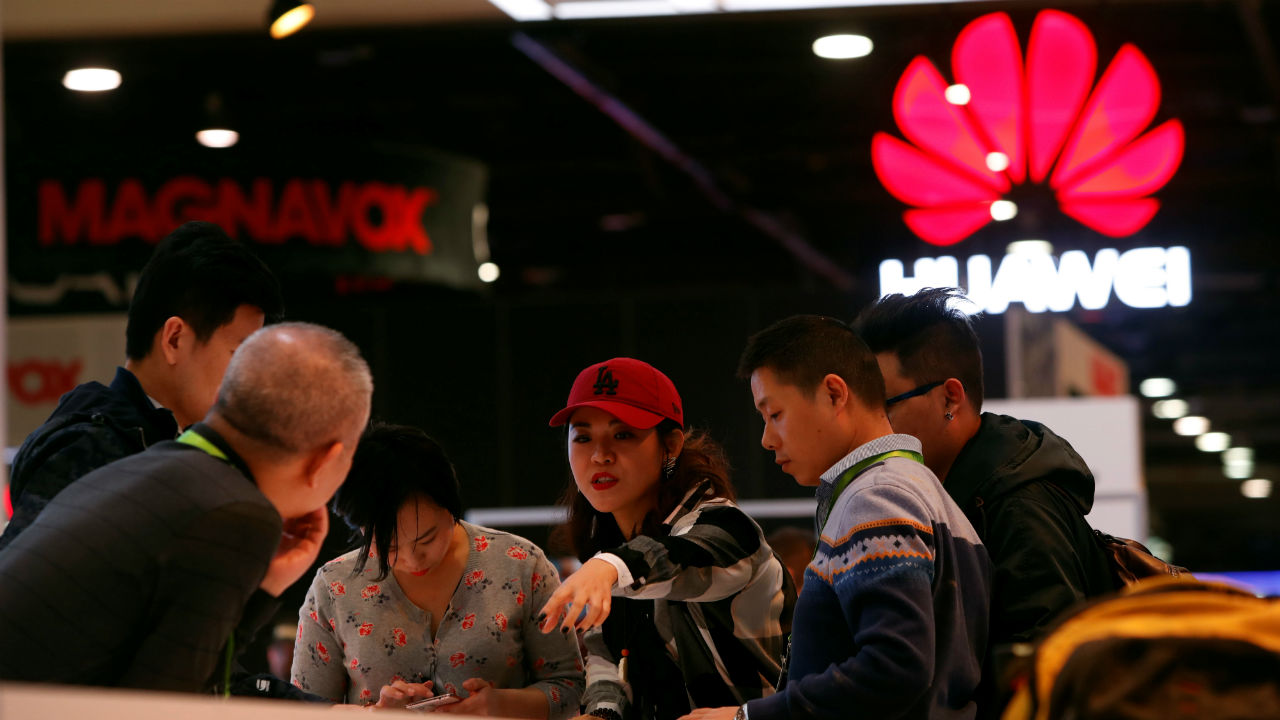 Representational image. Reuters.[/caption]After tying up with BOE, Huawei is expected to produce nearly 20,000 to 30,000 units, initially.As per the report, analysts expect that Huawei wants to showcase their technology and create enough buzz about it.Therefore, if Huawei is indeed looking forward to offering the first foldable smartphone in the world, it may have to do it quickly, considering Samsung is keen to launch one by early 2019. Some analysts have reportedly said that the launch would have to be by 'very early 2019'.There are rumours about the price of Huawei's foldable phone, and as per a previous report, Samsung's foldable screen is touted to be expensive owing to the use of a flexible OLED panel, a larger battery for more screen space leading to higher power consumption. Hence Huawei's offering may cost a wee bit more.

Why AI notetakers are raising serious privacy and security concerns
China's low-cost AI models are changing the global AI race. Here's why Silicon Valley is worried
China's Kimi K3 challenges US AI leaders with frontier-level performance at lower cost
How did Instagram run ads promoting child abuse in India?
Why has India halted WhatsApp’s username feature before launch?