


Huawei CFO Meng Wanzhou’s lawyers argue that US extradition charges are not illegal in Canada
Meng allegedly covered up attempts by Huawei-linked companies to sell equipment to Iran.

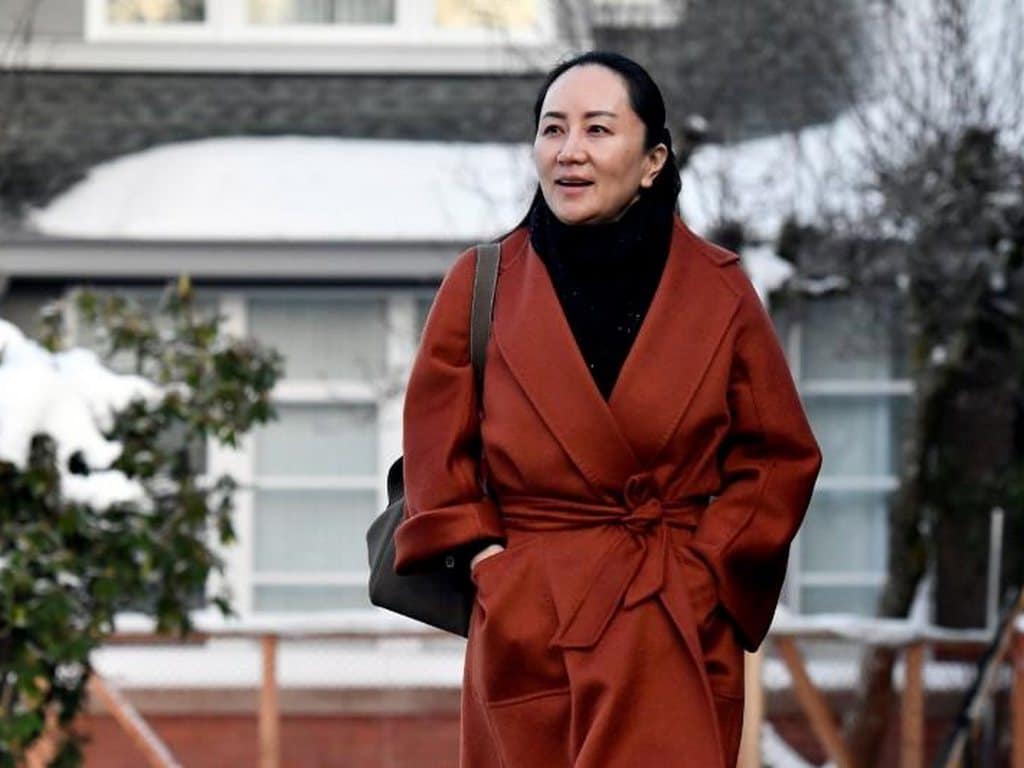
Huawei Chief Financial Officer Meng Wanzhou. Image: Huawei[/caption]Tuesday's hearing began with a nearly half-hour long back-and-forth between defence lawyer Eric Gottardi and the British Columbia Supreme Court Judge Heather Holmes. Gottardi attempted to answer a question that Holmes had asked Monday, about whether Meng's alleged bank fraud against HSBC could be construed as a fraud if it had happened Canada.In Gottardi's written argument submitted to the judge on Tuesday, and which he explained verbally to the court room, he said 'no.'"The bank would face no risk of legal liability in Canada under Canadian law as there are no legal consequences in Canada for engaging in dollar transactions related to Iran and the bank is an innocent victim," he wrote.During the morning recess, Meng, wearing a long black wool coat and stiletto heeled shoes, laughed and chatted in the hallway with members of her more than 20-person team of associates. The hearing will continue on Wednesday morning with prosecutors expected to make statements.Court proceedings show the United States issued the arrest warrant, which Canada acted on in December 2018, because it believes Meng covered up attempts by Huawei-linked companies to sell equipment to Iran, breaking US sanctions against the country.
"Double criminality"
Meng, the daughter of Huawei's billionaire founder Ren Zhengfei, remains free on bail in Canada, and has been living in a mansion in Vancouver's exclusive Shaughnessy neighbourhood.She has said she is innocent and is fighting extradition in part because her alleged conduct was not illegal in Canada, an argument commonly called "double criminality."Unlike the United States, Canada did not have sanctions against Iran at the time Canadian officials authorized the start of the extradition process, her lawyers have said.Defence lawyer Scott Fenton argued that for the court to say Meng committed fraud it would "have to import US sanctions laws (against Iran) to Canada to supply the risk."Fenton also argued against the alleged fraud by saying that if evidence were to show that the banks knew about Huawei’s dealings with Iran, and were willfully engaging in risk, then "they're not innocent victims."(Also read: US stopped former Justice Department official from representing Huawei)"Then there's no materiality, there's no causation element between the misrepresentation and the willful conduct, it disappears," he said.Meng's legal team is currently only scheduled to call evidence in the last week of April, and a second phase of the extradition hearing, focusing on abuse of process and whether Canadian officials followed the law while arresting Meng, is set to begin in June. Closing arguments are expected in the last week of September and first week of October.Legal experts have said it could be years before a final decision is reached in the case, since Canada's justice system allows many decisions to be appealed.The case has had a chilling effect on relations between Ottawa and Beijing. China has called Meng's arrest politically motivated.Lawyer Richard Kurland, who is not directly involved with the case, said this hearing has tremendous implications for Canadian extradition law."The public interest here is to examine whether Canada can possibly become a sanctuary for people who violated foreign law outside of Canada," Kurland added.

Why AI notetakers are raising serious privacy and security concerns
China's low-cost AI models are changing the global AI race. Here's why Silicon Valley is worried
China's Kimi K3 challenges US AI leaders with frontier-level performance at lower cost
How did Instagram run ads promoting child abuse in India?
Why has India halted WhatsApp’s username feature before launch?