
Advertisement


Sections
Googlers sign public petition to urge Google to not accept any projects from US ICE
A group of employees called Googlers for Human Rights posted a public petition urging the company not to bid on a cloud computing contract for CBP

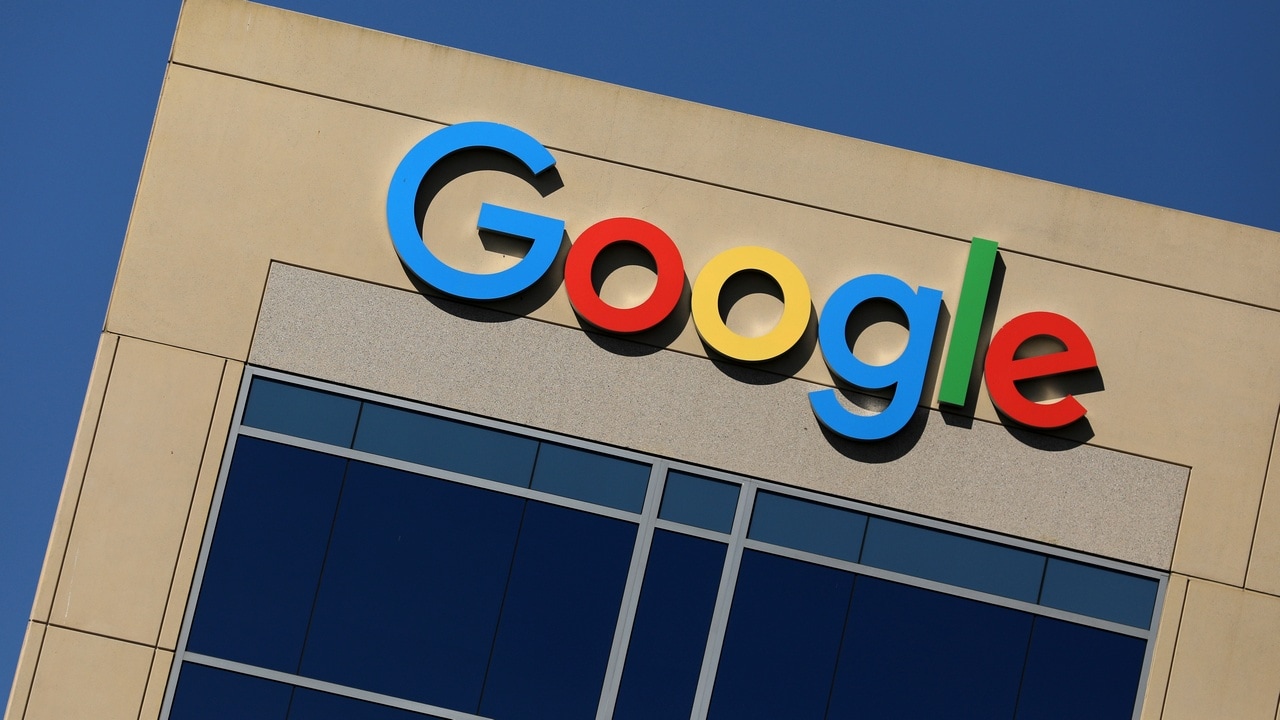
Hundreds of Google employees are calling on the company to pledge it won't work with the US Customs and Border Protection or Immigration and Customs Enforcement. It's the latest in a year full of political and social pushback from the tech giant's workforce.A group of employees called Googlers for Human Rights posted a public petition urging the company not to bid on a cloud computing contract for CBP, the federal agency that oversees law enforcement for the country's borders. Bids for the contract were due 1 August. It is not clear if Google expressed interest. The company did not return a request for comment.More than 700 Google employees had signed the petition by Tuesday afternoon. Citing a "system of abuse" and "malign neglect" by the agencies, the petition demands Google not provide any technical services to CBP, ICE or the Office of Refugee Resettlement (ORR), which provides services for refugees, until the agencies "stop engaging in human rights abuses."[caption id="attachment_4168237" align="alignnone" width="1280"]![The Google logo is pictured atop an office building in Irvine, California, U.S. August 7, 2017. REUTERS/Mike Blake - RTS1AT69]() The Google logo is pictured atop an office building in Irvine, California, U.S. August 7, 2017. REUTERS/Mike Blake - RTS1AT69[/caption]"In working with CBP, ICE, or ORR, Google would be trading its integrity for a bit of profit, and joining a shameful lineage," the organisers wrote. They cited federal actions that have separated migrant children from parents and set up detention centres with poor conditions.Google employees have led a growing trend in which some tech-company employees have taken public stances against their employers' policies. Thousands of Google employees walked out last fall to protest the company's handling of sexual misconduct claims. Employees also protested a Pentagon contract last year over work that used artificial intelligence technology to analyse drone footage.The protests have chalked up some success. After the walkout, Google announced new sexual misconduct guidelines, although some employees say they don't go far enough. And the company did not renew the Pentagon contract after significant pushback.Responding to some employee pressures has added fuel to claims from Republican pundits and lawmakers that the company is building its products to be biased against conservatives — an unfounded claim that has spawned multiple congressional hearings, although none that have produced evidence of bias.Google was hit with criticism by President Donald Trump last week when the president tweeted he was "watching Google very closely" after a former employee claimed on Fox News — without evidence — that the company would try to influence the 2020 election against Trump.Google has denied claims of political bias in its popular search service and other products.
The Google logo is pictured atop an office building in Irvine, California, U.S. August 7, 2017. REUTERS/Mike Blake - RTS1AT69[/caption]"In working with CBP, ICE, or ORR, Google would be trading its integrity for a bit of profit, and joining a shameful lineage," the organisers wrote. They cited federal actions that have separated migrant children from parents and set up detention centres with poor conditions.Google employees have led a growing trend in which some tech-company employees have taken public stances against their employers' policies. Thousands of Google employees walked out last fall to protest the company's handling of sexual misconduct claims. Employees also protested a Pentagon contract last year over work that used artificial intelligence technology to analyse drone footage.The protests have chalked up some success. After the walkout, Google announced new sexual misconduct guidelines, although some employees say they don't go far enough. And the company did not renew the Pentagon contract after significant pushback.Responding to some employee pressures has added fuel to claims from Republican pundits and lawmakers that the company is building its products to be biased against conservatives — an unfounded claim that has spawned multiple congressional hearings, although none that have produced evidence of bias.Google was hit with criticism by President Donald Trump last week when the president tweeted he was "watching Google very closely" after a former employee claimed on Fox News — without evidence — that the company would try to influence the 2020 election against Trump.Google has denied claims of political bias in its popular search service and other products.
 The Google logo is pictured atop an office building in Irvine, California, U.S. August 7, 2017. REUTERS/Mike Blake - RTS1AT69[/caption]"In working with CBP, ICE, or ORR, Google would be trading its integrity for a bit of profit, and joining a shameful lineage," the organisers wrote. They cited federal actions that have separated migrant children from parents and set up detention centres with poor conditions.Google employees have led a growing trend in which some tech-company employees have taken public stances against their employers' policies. Thousands of Google employees walked out last fall to protest the company's handling of sexual misconduct claims. Employees also protested a Pentagon contract last year over work that used artificial intelligence technology to analyse drone footage.The protests have chalked up some success. After the walkout, Google announced new sexual misconduct guidelines, although some employees say they don't go far enough. And the company did not renew the Pentagon contract after significant pushback.Responding to some employee pressures has added fuel to claims from Republican pundits and lawmakers that the company is building its products to be biased against conservatives — an unfounded claim that has spawned multiple congressional hearings, although none that have produced evidence of bias.Google was hit with criticism by President Donald Trump last week when the president tweeted he was "watching Google very closely" after a former employee claimed on Fox News — without evidence — that the company would try to influence the 2020 election against Trump.Google has denied claims of political bias in its popular search service and other products.
First Published:Aug 16, 2019, 11:50:43 IST
Advertisement
Advertisement

Why AI notetakers are raising serious privacy and security concerns
AI notetakers promise effortless meeting summaries, but experts warn they could expose confidential conversations, corporate secrets and personal voiceprints. As businesses increasingly adopt AI-powered meeting assistants, questions over data storage, privacy, consent and legal risks are becoming impossible to ignore
5 min read
China's low-cost AI models are changing the global AI race. Here's why Silicon Valley is worried
As Chinese firms continue to improve performance while keeping prices low, the AI race is no longer just about building the smartest model—it is increasingly becoming a battle over who can deliver the best value
2 min read
China's Kimi K3 challenges US AI leaders with frontier-level performance at lower cost
Chinese artificial intelligence startup Moonshot AI has unveiled its latest open-weight AI model, Kimi K3, with early results suggesting it could compete with some of the world's most advanced AI systems developed by leading US companies
2 min read
How did Instagram run ads promoting child abuse in India?
India has issued a notice to Meta after an investigation alleged that Instagram displayed paid advertisements promoting child sexual abuse material. MeitY ordered Meta to remove such Instagram ads and explain within seven days how they were approved
8 min read
Why has India halted WhatsApp’s username feature before launch?
India has halted WhatsApp’s planned username feature, citing concerns about cybercrime, impersonation, and law enforcement challenges. As Meta races to address security concerns, here’s why MeitY has paused the rollout, what the feature does, and how it could influence privacy and online safety in India
3 min read
Advertisement
Advertisement