


Genetic cause behind lethal brain cancer discovered
Glioblastoma is typically treated with surgery, followed by radiation and chemotherapy.

Washington: Scientists have discovered the genetic cause behind the most common and aggressive form of primary brain cancer, they claimed.
Researchers at Columbia University Medical Center (CUMC) have found that Glioblastomas, the lethal brain tumours, are caused by the fusion of two adjacent genes, and drugs that target the protein produced by this aberration can dramatically slow it's growth.[caption id="attachment_393666" align="alignleft" width="380"]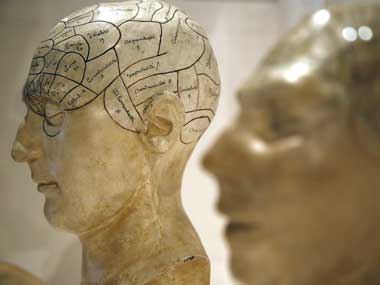 New hope to cure brain cancer. Reuters[/caption]
The findings are published in the journal Science.
"Our findings are doubly important," said study leader Antonio Iavarone, professor of pathology and neurology at CUMC, at New York-Presbyterian Hospital.
"From a clinical perspective, we have identified a druggable target for a brain cancer with a particularly dismal outcome. From a basic research perspective, we have found the first example of a tumour-initiating mutation that directly affects how cells divide, causing chromosomal instability," Iavarone said.
"This is a very exciting advance in our understanding of cancer, and perhaps a first step toward a personalised, precision approach to the treatment of glioblastoma," said Stephen G Emerson, director of the HICCC .
Glioblastomas are tumours that arise from astrocytes, star-shaped cells that make up the brain's supportive tissue.
 More from News Analysis
Since astrocytes reproduce quickly and are supported by a large network of blood vessels, glioblastomas are usually highly malignant. It is estimated that these tumours affect about 10,000 people in the United States each year.
Glioblastoma is typically treated with surgery, followed by radiation and chemotherapy. However, the disease is invariably fatal, with a median survival of about 14 months after diagnosis, even with aggressive therapy.
Iavarone and his colleagues suspected that glioblastomas might be addicted to proteins produced by gene fusions. Such fusions have been implicated in other cancers, notably chronic myelogenous leukemia (CML).
In the current study, the CUMC researchers conducted genetic analyses of glioblastomas from nine patients, looking specifically for gene fusions.
PTI

Why AI notetakers are raising serious privacy and security concerns
China's low-cost AI models are changing the global AI race. Here's why Silicon Valley is worried
China's Kimi K3 challenges US AI leaders with frontier-level performance at lower cost
How did Instagram run ads promoting child abuse in India?
Why has India halted WhatsApp’s username feature before launch?