


Galaxy S10 and S10 Plus' latest update brings improves fingerprint scanner
New update for the S10 and S10 Plus is dedicated only to make the fingerprint sensor more responsive.

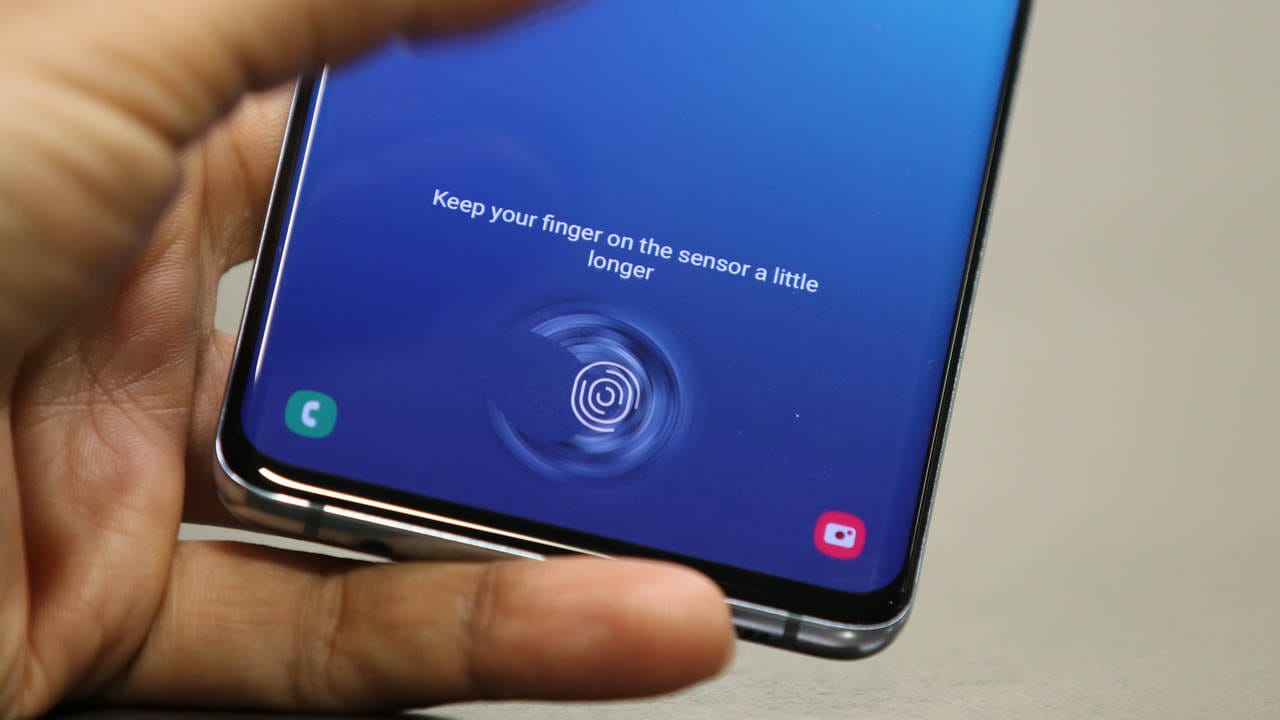
The Samsung Galaxy S10 Plus's fingerprint reader never works as expected almost 50 percent of the time. Image: tech2/Omkar Patne[/caption]An ultrasonic fingerprint reader uses sound waves to create a 3D ridge map of your fingerprint. This is more secure as it can't be fooled with a fake finger with your prints and also it works if your finger is dirty or wet. Samsung's new update for the S10 and S10 Plus, which is 6.9 MB in size, is dedicated only to make the fingerprint sensor more responsive.A Reddit user, through which the existence of this update was revealed, wrote, “My fingerprint reader is instant every single time now”. The update is said to be rolling out incrementally and should reach everyone in due time.In more news related to the S10-series, Samsung's latest flagship phones have been given an update back in March which brings HDR 10 support on Netflix

Why AI notetakers are raising serious privacy and security concerns
China's low-cost AI models are changing the global AI race. Here's why Silicon Valley is worried
China's Kimi K3 challenges US AI leaders with frontier-level performance at lower cost
How did Instagram run ads promoting child abuse in India?
Why has India halted WhatsApp’s username feature before launch?