


Chandrayaan 2: NASA's LRO performs second flyover to locate Vikram's landing site on the moon
The LRO has on a previous occasion tried to image the landing site of Vikram lander but failed.

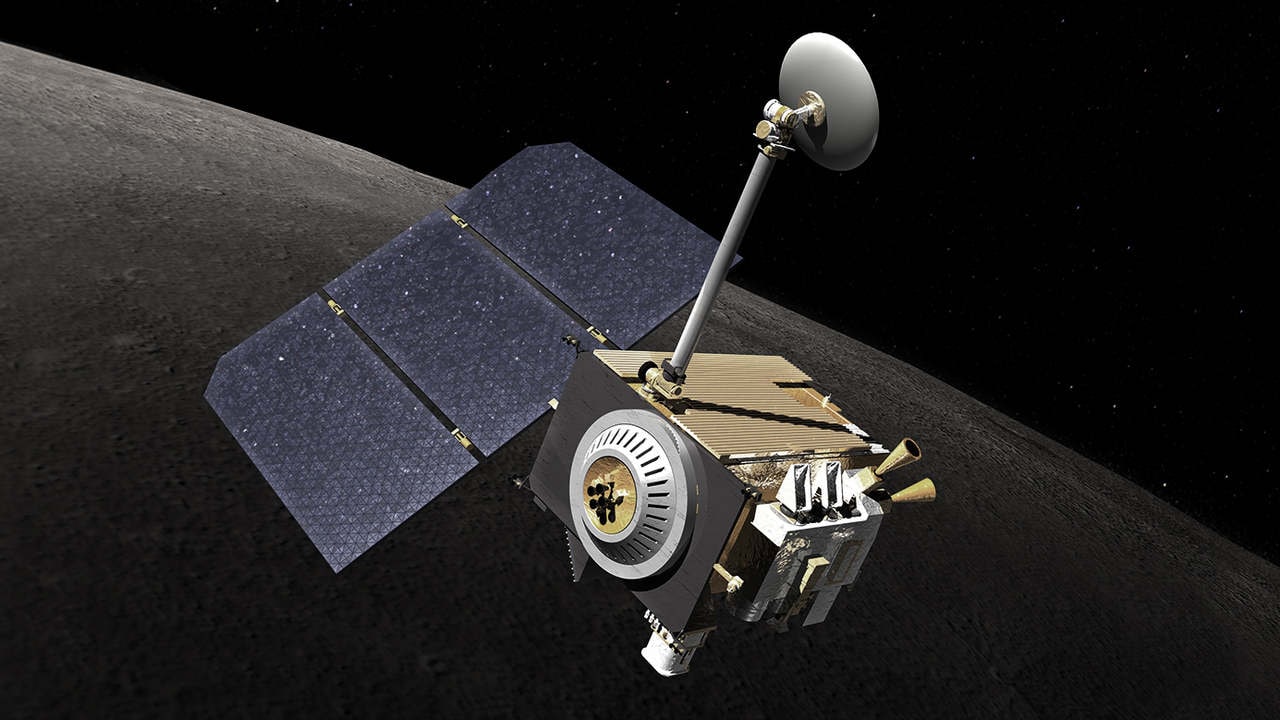
NASA's LRO to flyover Vikram lander's crash site. image credit: NASA[/caption]The lander is most likely dead after the lunar night. (14 earth days makes up one lunar night). ISRO had said once the lunar night falls, there would be no sunlight for the lander to generate power for its working and also it was not designed to operate in the heavy cold temperature of moon during the phase.If NASA locates the lander, the images from this flyover will be made public as it is NASA policy.The LROC lead investigator Mark Robinson from Arizona State University, said in a statement to Inside Outer Space, "Per NASA policy, all LRO data are publicly available. NASA will share any before and after flyover imagery of the area around the targeted Chandrayaan 2 Vikram Lander landing site to support analysis by the Indian Space Research Organization."
The landing
The orbiter
An ISRO official has confirmed that the orbiter is “healthy, intact, functioning normally and safely in the lunar orbit.”[caption id="attachment_7200881" align="alignnone" width="1280"]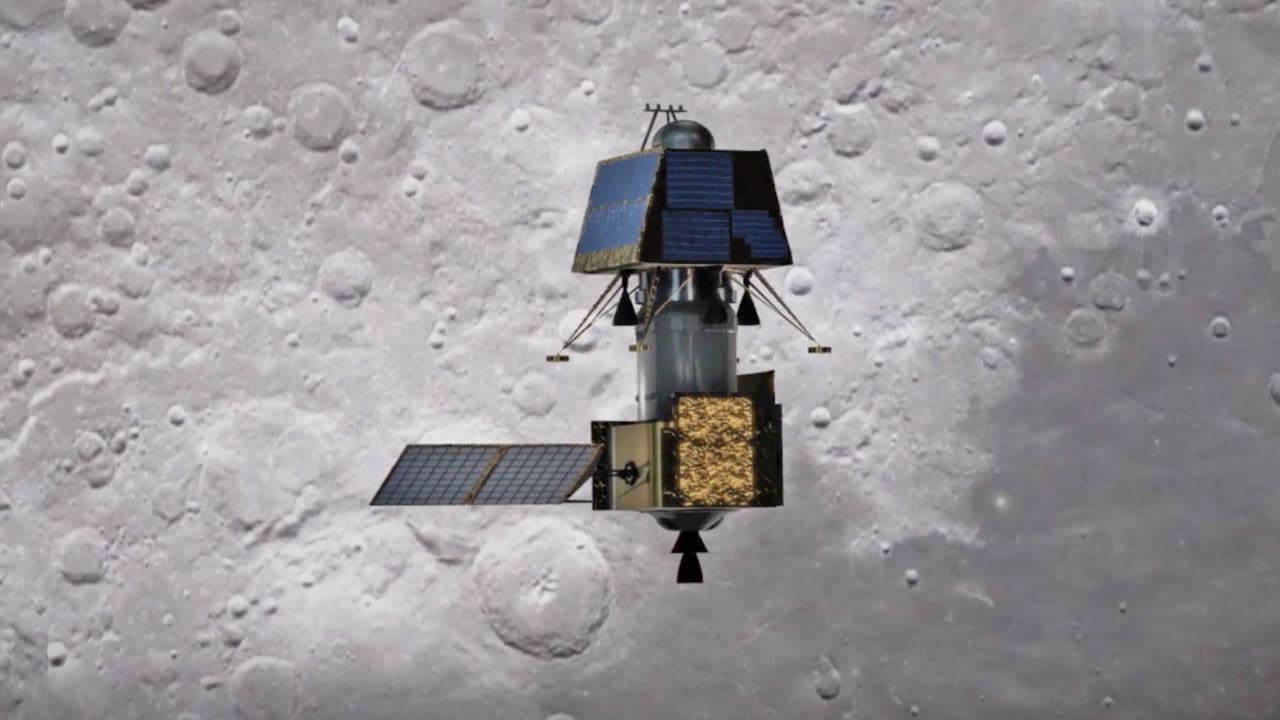
Chandrayaan 2 composite orbiting the moon before the lander's separation. Image: ISRO[/caption]The orbiter will continue to orbit the moon for a period of one year and its payloads will conduct remote sensing observations from a 100 km orbit.Recently, the orbiter’s High-Resolution Camera (OHRC) recently captured the highest resolutions pictures of the moon.
Chandrayaan 2
This was the second moon mission of India’s space agency – ISRO. it was a follow-on mission to the Chandrayaan-1 mission that was undertaken more than a decade ago.Chandrayaan 2 comprises of an orbiter, lander (Vikram) and rover (Pragyan).The mission was launched on a GSLV-MkIII on 22 July and was scheduled to land on 7 September.

Why AI notetakers are raising serious privacy and security concerns
China's low-cost AI models are changing the global AI race. Here's why Silicon Valley is worried
China's Kimi K3 challenges US AI leaders with frontier-level performance at lower cost
How did Instagram run ads promoting child abuse in India?
Why has India halted WhatsApp’s username feature before launch?