


Blue light emitted from digital devices might cause sleep dysfunction: Research
Blue light emitted from digital devices may affect your sleep and cause sleep dysfunction, researchers have found.

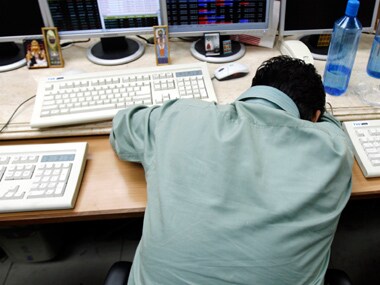
Representational image. Reuters[/caption]This artificial light activates photoreceptors called intrinsically photosensitive retinal ganglion cells (ipRGCs), which suppresses melatonin.Lead researcher of the study recommends limiting screen time, applying screen filters, wearing computer glasses that block blue light or use anti-reflective lenses to offset the effects of artificial light at night-time."By using blue blocking glasses we are decreasing input to the photoreceptors, so we can improve sleep and still continue to use our devices," said Lisa Ostrin, Assistant Professor at the University of Houston.The participants of the study, published in the journal Ophthalmic and Physiological Optics, wore short wavelength-blocking glasses three hours before bedtime for two weeks, while still performing their nightly digital routine.The results showed about 58 percent increase in their night time melatonin levels, the chemical that signals your body that it's time to sleep.Wearing activity and sleep monitors 24 hours a day, the study participants also reported sleeping better, falling asleep faster and even increased their sleep duration by 24 minutes a night, Ostrin mentioned.

Why AI notetakers are raising serious privacy and security concerns
China's low-cost AI models are changing the global AI race. Here's why Silicon Valley is worried
China's Kimi K3 challenges US AI leaders with frontier-level performance at lower cost
How did Instagram run ads promoting child abuse in India?
Why has India halted WhatsApp’s username feature before launch?