


Apple slammed with a class-action lawsuit over it's two-factor authentication
Broadsky states that Apple "imposed" an "extraneous login process through two-factor authentication".

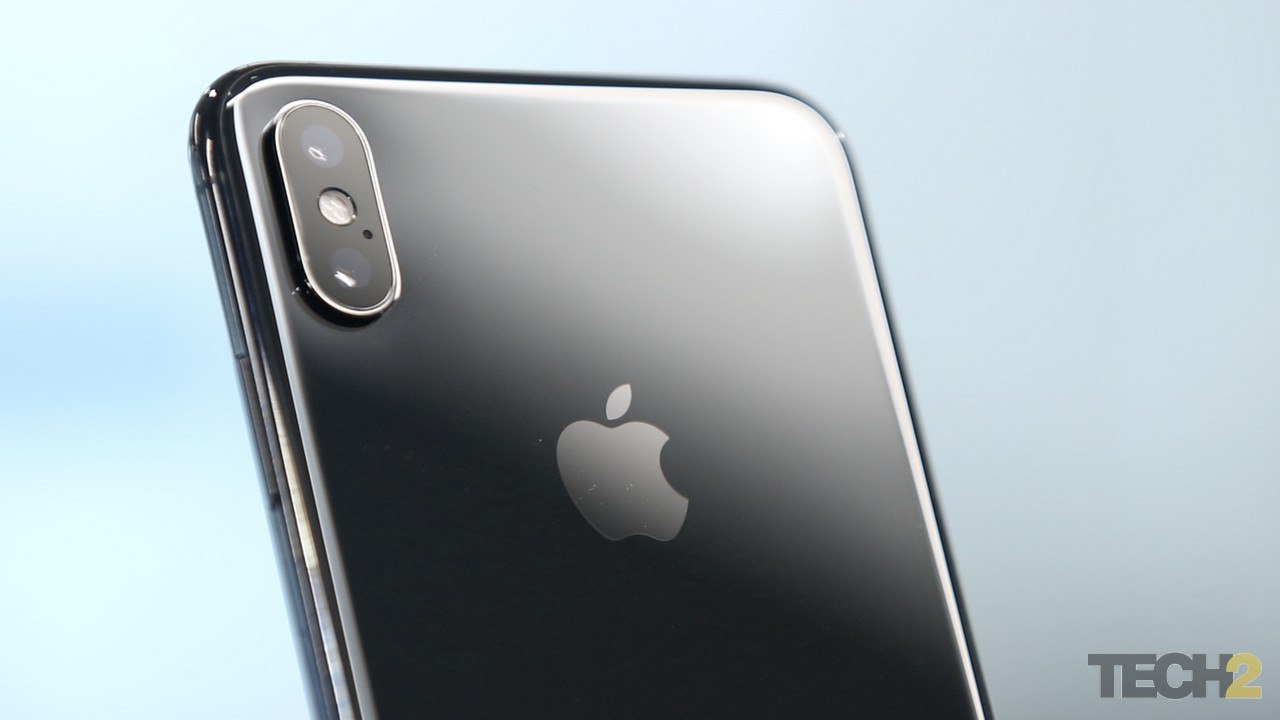
Apple iPhone XS Max. Image: tech2/Prannoy Palav[/caption]Broadsky alleges that “Apple does not get user consent to enable two-factor authentication." He also states that "Apple does not get user consent to then remove the option forever to disable two-factor authentication, once it is enabled."Every time an Apple user logs in using two-factor authentication, an email with a paragraph thanking the user and highlighting the good features of two-factor authentication is followed by "a simple single last line in an email saying that the link will expire on a given date is insufficient to put the user on notice of his options and make an informed decision as to whether to click the link to disable it,” Broadsky added.As per a support document on two-factor authentication, Apple says it prevents customers from turning off two-factor authentication after two weeks because "certain features in the latest versions of iOS and macOS require this extra level of security."The filer also states that Apple "imposed" an "extraneous login process through two-factor authentication" and the allegations (all well-based) don't end there. As per a report by Apple Insider, Broadsky goes on to state in the filing that the time it takes for every user to enter his/her login data is said to be "continuous, systematic and ongoing" and Apple has "caused injury to Plaintiff and Class Members' rights to choose the level of security for Plaintiff and Class Member owned devices."The suit demands a legal remedy to the problem, seeking all funds, revenues and benefits that the iPhone-maker has "unjustly received" from the action, as well as fines and penalties imposed on Apple in accordance with the US Computer Fraud and Abuse Act.

Why AI notetakers are raising serious privacy and security concerns
China's low-cost AI models are changing the global AI race. Here's why Silicon Valley is worried
China's Kimi K3 challenges US AI leaders with frontier-level performance at lower cost
How did Instagram run ads promoting child abuse in India?
Why has India halted WhatsApp’s username feature before launch?