


Apple funded study shows critical role of wearables in detecting heart problems
Researchers presented findings from the Apple-funded study that enrolled more than 4,00,000 participants.

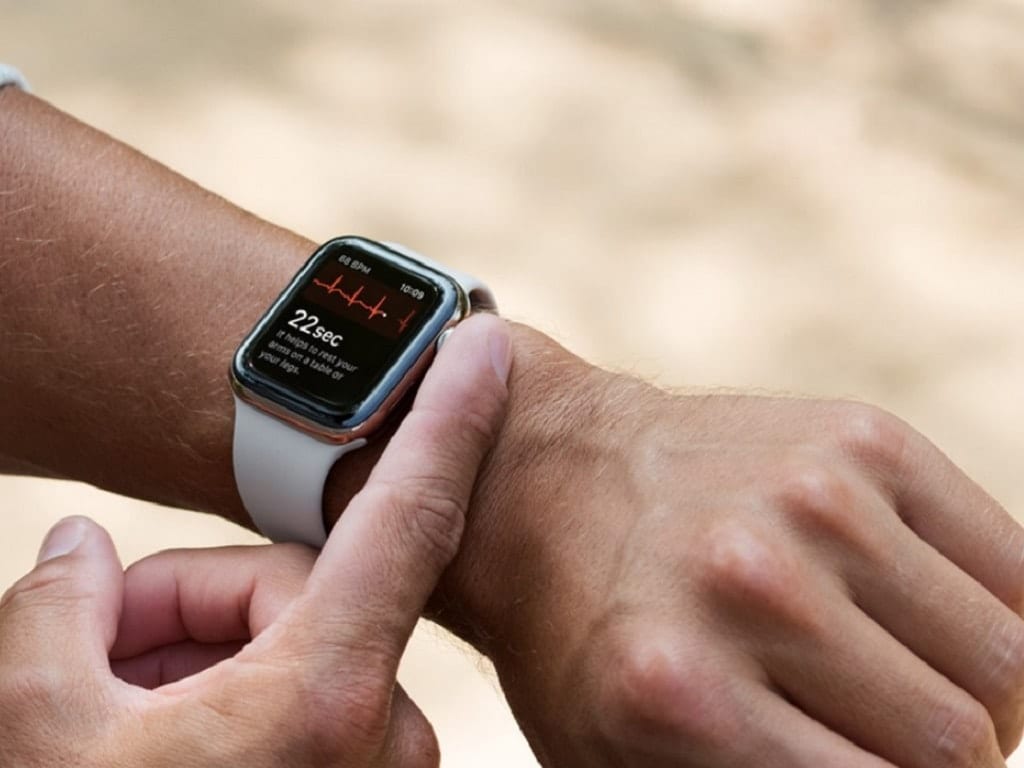
Apple Watch Series 4. Image: Apple[/caption]Results of the largest AF screening and detection study, involving over 400,000 Apple Watch users who were invited to participate, were presented on Saturday at the American College of Cardiology meeting in New Orleans.Stanford Medical School researchers revealed that of the 400,000 participants, 0.5 percent, or about 2,000 subjects, received notifications of an irregular pulse. Those people were sent an ECG (electrocardiography) patch to wear for subsequent detection of atrial fibrillation episodes.A third of those whose watches detected an irregular pulse were confirmed to have atrial fibrillation using the ECG technology, researchers said.
Some 84 percent of the irregular pulse notifications were later confirmed to have been AF episodes, data showed.“The physician can use the information from the study, combine it with their assessment ... and then guide clinical decisions around what to do with an alert,” said Dr Marco Perez, one of the study’s lead investigators from Stanford School of Medicine.The study also found that 57 percent of participants who received an alert on their watch sought medical attention.For Apple, the data provides firepower as it pushes into healthcare. Its new Series 4 Watch, which became available only after the study began so was not used, has the ability to take an electrocardiogram to detect heart problems and required clearance from the US Food and Drug Administration.Dr Deepak Bhatt, a cardiologist from Brigham and Women’s Hospital in Boston who was not involved in the trial, called it an important study as use of this type of wearable technology is only going to become more prevalent.“The study is an important first step in figuring out how can we use these technologies in a way that’s evidence-based,” he said.Researchers urged caution by doctors in using data from consumer devices when treating patients. But they also see great future potential for this type of technology.“Atrial fibrillation is just the beginning, as this study opens the door to further research into wearable technologies and how they might be used to prevent disease before it strikes,” said Lloyd Minor, dean of Stanford School of Medicine.With inputs from Reuters
Why AI notetakers are raising serious privacy and security concerns
China's low-cost AI models are changing the global AI race. Here's why Silicon Valley is worried
China's Kimi K3 challenges US AI leaders with frontier-level performance at lower cost
How did Instagram run ads promoting child abuse in India?
Why has India halted WhatsApp’s username feature before launch?