


Android will natively support ‘foldable’ smartphones to avoid fragmentation: Report
As per Google, adding support for ‘foldables’ will take “as little work as necessary”.

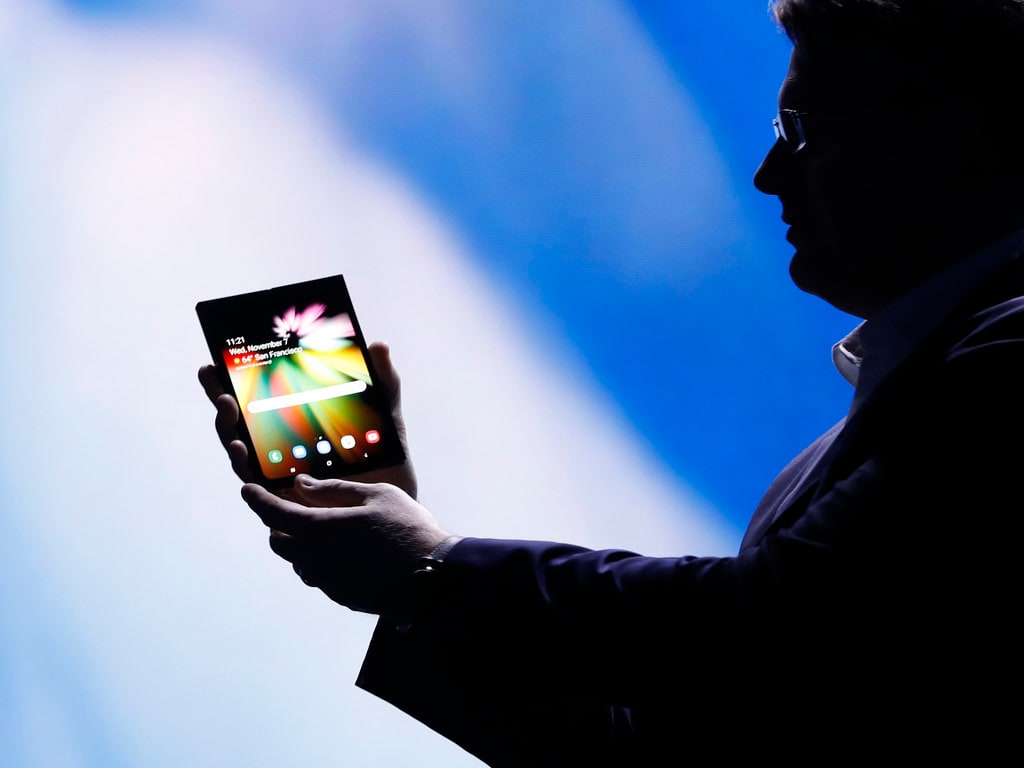
Samsung's folding smartphone. Image: Reuters[/caption]New form factors mean new use cases and those use cases need to be powered by tailor-made app experiences. While Samsung can and will deliver optimisations with native Samsung apps when its folding device launches next year, it remains to be seen whether third-party app developers will follow suit.The problem arises from the fact that Android as a platform is heavily fragmented. The are numerous devices in various form factors with different display sizes, all of which developers need to keep in mind while creating and updating apps.While Google has been lagging behind for a while when it comes to integrating Android to new hardware trends (the notch is a clear example), it finally seems to have figured it all out.At the Android Developer Summit, Google announced support for devices with folding displays and for once, this happens before manufacturers like Samsung and LG have officially launched their “foldables” as Google calls them.Native support from Google is a big deal. According to The Verge, Google is working with Samsung on the future of foldables and how Android will adapt to it.Samsung benefits from this collaboration both for its One UI interface and the relief it gets from assuming that at least some Android developers will adapt to this new form factor. Flipboard already seems to have promised to adapt to foldables.
By starting early, Android should be able to reduce fragmentation which is where Google benefits from its collaboration with Samsung. Indeed, we can expect such foldable Pixel devices in the future once the trend has been set by other manufacturers.What remains to be seen is whether developers will be up for the challenge. After teasing its foldable for months, Samsung finally gave us a glimpse of its first foldable device, but has been silent on pricing. From previous rumours, it is expected to expensive. Very expensive! According to Forbes, the Galaxy X smartphone is expected cost around $2,000.Once these devices hit the market, their high price tags will ensure that they do not reach into the hands of many. This is a reason that could them less attractive to developers when it comes putting in all those efforts into creating custom apps. Indeed, developers will need to have more faith in foldables even before they take off, else the trend may die as quickly as it picks up.
Why AI notetakers are raising serious privacy and security concerns
China's low-cost AI models are changing the global AI race. Here's why Silicon Valley is worried
China's Kimi K3 challenges US AI leaders with frontier-level performance at lower cost
How did Instagram run ads promoting child abuse in India?
Why has India halted WhatsApp’s username feature before launch?