


Is US envoy victim of failed deal?
Indo-US ties are not likely to take a hit after India's rejection of the fighter aircraft bids of Boeing and Lockheed-Martin

It is hard to draw an immediate link between the resignation of US ambassador Timothy Roemer on Thursday and India jettisoning the US bid for its $10-million Medium Multirole Combat Aircraft deal a day earlier. The assumption that Roemer quit for failing to clinch the deal for Boeing and Lockheed-Martin, could be far-fetched. But the co-incidence is interesting. Even Roemer said his country was "deeply disappointed".[caption id="attachment_3139" align="alignright" width="380" caption="Flying off: Former US ambassador to India Timothy J. Roemer talks to students on the outskirts of Srinagar. Fayaz Kabli/Reuters"]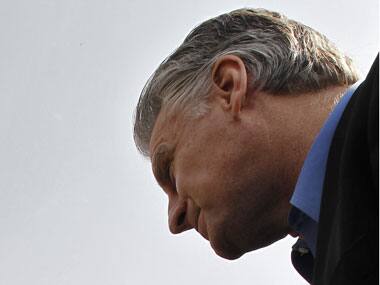 [/caption]On Wednesday, India had ignored the bids of the American firms citing they failed to meet technical standards. The rejection would have hit the US hard since it had launched a sturdy campaign over the last four years to bag the contract. President Barack Obama, too, had pitched strongly for American fighters during his visit here.Does the development threaten India's ties with the US? Will the US be less enthusiastic about India’s UN Security Council bid from now on? "Disappointment" could have its repercussions. But by all indications, the Indo-US relation is not likely to take a hit. It has been maturing over the last decade, specially since the days of George Bush through the civil nuclear deal, and neither country would like to reverse it now.

Rahul Gandhi, Kharge lead protest near PM residence; Centre says Parliament discussion was offered
Parliament's Monsoon Session from July 20: Key bills, numbers game to dominate agenda
Major blow to Uddhav Thackeray as six Lok Sabha MPs join Shinde camp
12 years and counting: NDA leaders felicitate PM Modi as he trumps Nehru's tenure record
‘Trust, progress and welfare’: PM Modi celebrates 12 years in office, highlights big policy moves