


The Promised Land: Migration from Kerala shows a steady decline
The latest migration survey shows that emigration from the state to West Asia has reached the inflexion point in 2016. The decreasing trend had started in 2011 with many of the traditional centres of emigration experiencing a decline.

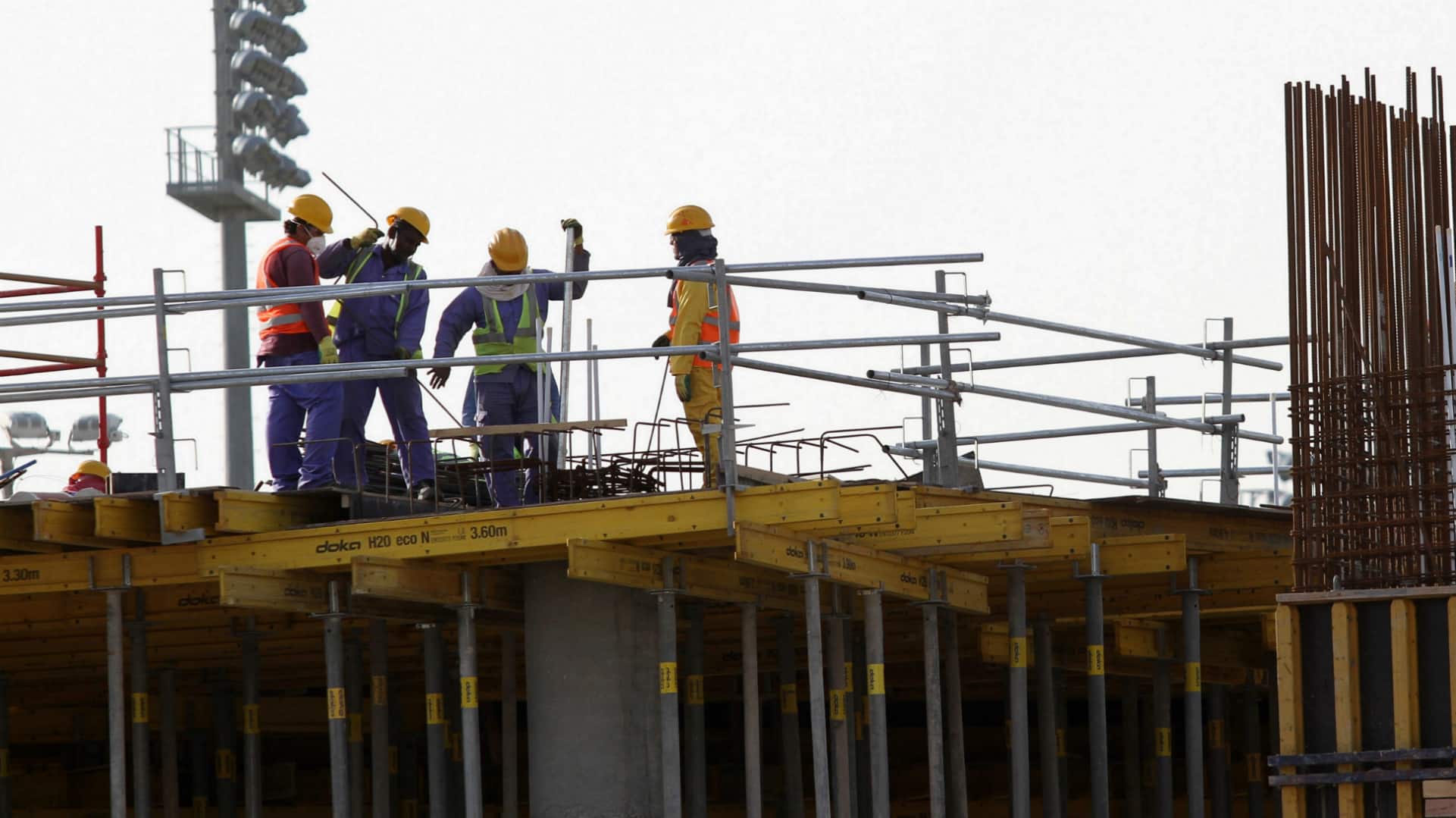
[/imgcenter]The study notes that this will help educated youngsters to pick and choose the jobs they want by the mid 21st Century. However, the study says that the youth may have to go abroad for jobs till then. But the prospects look dim in foreign shores, particularly in West Asia, where there is big pressure on the rulers to provide jobs to the natives.The naturalisation drive in many Gulf countries has adversely affected many Kerala migrants employed in the construction sector, shopping malls, hotels, restaurant etc. The lingering impact of the global economic recession and the steep fall in the oil price have also hit this category badly.While many have received pink slips, many others are forced to work at lower wages. The wages came down further after the new set of unskilled and semi-skilled workers from other states and countries started taking up jobs at lesser wages in West Asia.The Kerala migrants found this unattractive as they could get higher wages within the state. While the average earning of an unskilled worker in the Gulf is Rs 10, 000 a month, it is Rs 500-600 per day for the same job in the state now. This means if one works in Kerala for 25 days a month, he can earn Rs 12,500. Moreover, he can live with his family.Satheeshan, who was working as a mason in Kollam district of Kerala, realised this after he went to Dammam in Saudi Arabia after spending more than Rs 1 lakh on visa and airfare. He said a recruiting agent encouraged him saying that he could earn up to Rs 25, 000 in the Gulf.“When I reached Dammam, I found that the wage was half of what the recruiting agent had promised. I was forced to work for 800 Saudi Riyals (Rs 13,600 at the current rate) a month. The net earning was still less as the company deducted 200 Riyals towards accommodation and food. I had to work like a slave in scorching heat to earn this. I lived with 50 others in a congested labour camp without adequate toilet and bathroom,” he said.Satheeshan quit the job and returned to Kerala after six months. Now he is earning Rs 600 to Rs 700 daily from masonry. He also earns about Rs 500 from the three cows he has bought with the money he got in Saudi. Apart from this, he is also getting a decent income from the fruit and vegetable cultivation he started on a leased land in partnership with two friends.“Now I am leading a happy life with my wife and children. I don’t have to queue up outside a toilet now. I can have a lavish bath in the lake near my house and relax with a bottle of toddy after the work. I am sure all my friends, who are working in the Gulf, can have a similar life in Kerala by doing half the job they do there,” Satheeshan said in an email which was widely circulated.Noted demographer S Irudaya Rajan, who has done a number of studies on migration, agrees with Satheeshan. But he is doubtful whether his appeal will be heeded by the majority of those working in Gulf now. He told Firstpost that they prefer to work in the Gulf because of higher social acceptability.Rajan said that there was no scope for migration of unskilled and semi-skilled labourers from the state to Gulf now. He feels that the scope in future will be for highly educated youths and professionals like engineers, doctors and para-medical staff.However, planners fear that the brain drain triggered by the migration of professionals may affect the development of the state. The health sector, which witnessed a boom in the wake of the proliferation of medical tourism, has already started facing shortage of doctors and trained nurses.The planners say they may come back to Kerala if they are offered higher wages and better working conditions. Demographers say that the sectors requiring professionals will be forced to improve the conditions when the demographic contraction manifests. When this happens, a Gulf without Keralites may become a reality.Part 1: Opportunity, discovery and how Kerala embraced migrationPart 2: Gulf lures many from Kerala, but few make it bigPart 3: How remittances from migrants account for 36.3% of Kerala's NSDPPart 4: Kerala's reverse exodusPart 5: The loneliness of the 'Gulf wives' in KeralaPart 6: Tribulations of Kerala's Pakistani citizensPart 7: It's a hard life for children, parents of Kerala's migrant workersPart 8: Kerala's female emigrants key reason behind rise in remittancesPart 9: Migrant workers endure squalid conditions in Kerala

Off-centre | Vande Mataram: The mother that we adore
Of nature, culture and alcohol: A glimpse into Sikkim’s age-old brewing traditions
Revisiting the Bollywood dream sequence: A tour of the world, and within
Trams, part of Kolkata heritage, are little more than a nostalgia ride today
Online exhibition archives oral histories of the Kolis, degradation of Mumbai's coastal ecology