
Advertisement


Sections
The female Dalit voice, in Tamil verse
Uma Devi teaches, writes poetry with Dalit feminism, Buddhism and politics as her areas of focus

 I first heard Tamil poet Ku Uma Devi’s powerful words at an event, 'Poetry with Prakriti', organised by The Prakriti Foundation in Chennai back in 2012. And I have kept track of her career, ever since. The doctorate scholar whose PhD was on 'Moral Philosophy in Ancient Epics and Kundalakesi', juggles four careers, offering each of them the same amount of commitment. She teaches, writes poetry with Dalit feminism, Buddhism and politics as her areas of focus, travels round the year to rural Tamil Nadu as a part of an NGO talking to young minds, encouraging them to study and not dropout of schools and colleges.She is also an extremely popular and successful lyrics writer in the Tamil film industry. You may have heard of a little film in which her beautiful songs, Maya Nadhi and Veera Thurandhara, captured the hearts of Tamils last year.She has also written lyrics for the other successful Pa Ranjith film Madras and has a slew of projects coming up this year including the hit track from the film Magalir Mattum (Women Only) titled Adi Vaadi Thimira. She has written two poetry collections Thisaigalai Parugiyaval (She Who Has Consumed the Directions) and Thaen Inippadu Ellorukkum Theriyadhu (Not Everyone Knows that Honey is Sweet).“There is this general perception that women are only great at writing poetry about the body. I want to shatter this myth. I want to prove, through my poetry that women, when they write about politics and feminism, are not merely capable of writing powerfully but also effecting societal change,” she says.[imgcenter]
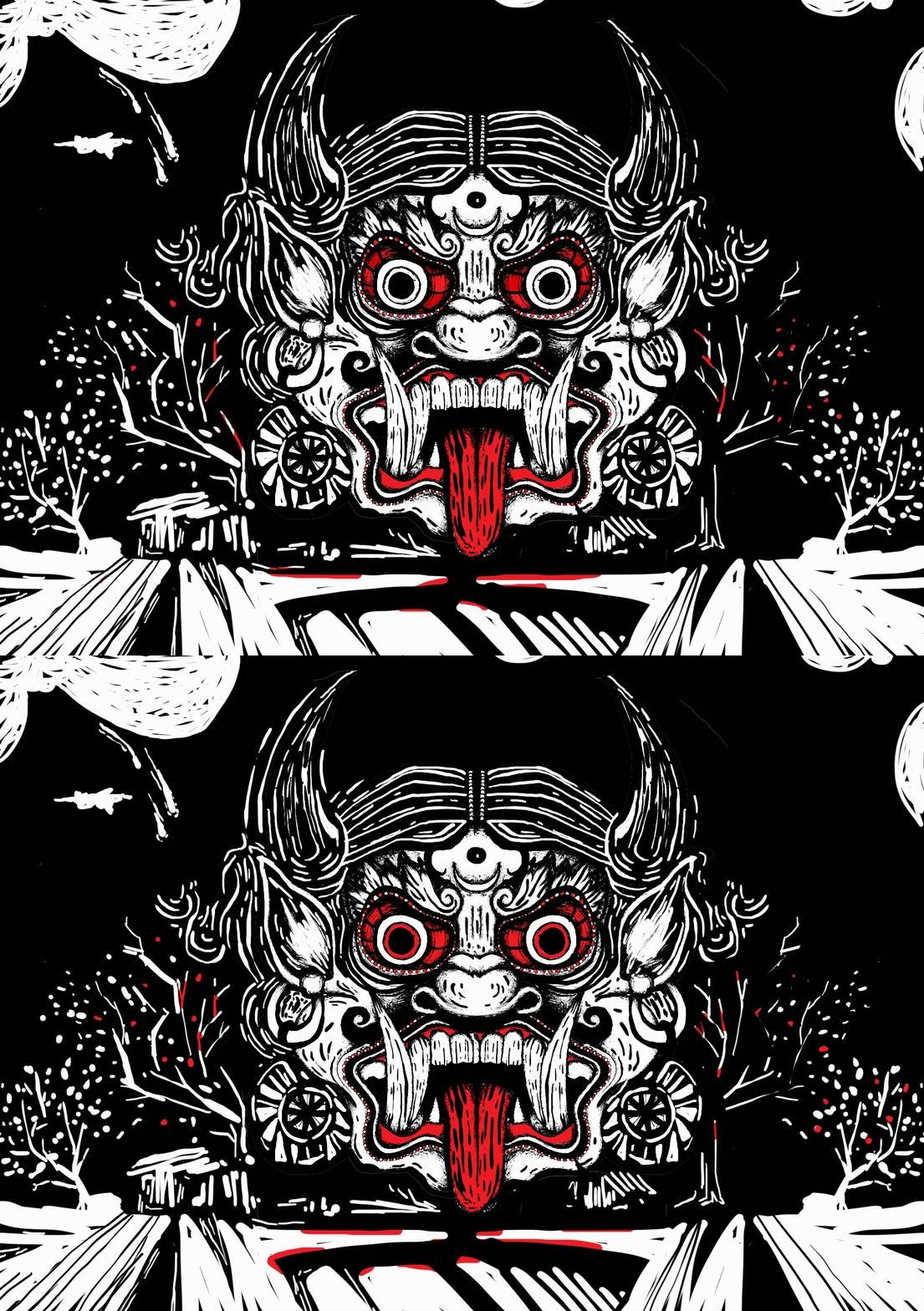 [/imgcenter]தெய்வங்கள்பற்றி எரிந்த நெருப்பால்ஒன்றையொன்று தேற்றிதேருக்குள் அமர்ந்துஊர்வலத்திற்குக் காத்திருந்ததெய்வங்கள் இறங்கித்தெருவுக்கு வருகின்றனகண்கள் விரித்துநாக்குத் துருத்தி நிற்கும்உக்கிரக் கோலத்தைவிடவடம்பிடிக்கும் கைகள்மிகக்கொடியதாய்திரிக்கப்பட்ட கயிரினும் வலியதாய்ஜாதியைப் பற்றியிருக்கின்றனவரம்கேட்கும் தொனிகள் எதுவமில்லாமல்தெய்வங்களைஊர்த்தெருவில் மட்டும்வலம் வரச்சொல்லும்கட்டளைகளோடுபக்தர்களின் முகங்கள்தெய்வங்களாயினும்பெண்களாய் இருந்தால்அடங்கவே சொல்கிறதுஆண்களின் ஆன்கமீ கம்மதம்பிடித்து அலைந்துதீபங்கள் ஏற்றிதேரினைக் கொளுத்தும்உங்கள் முன்பெண் தெய்வங்கள் எல்லாம்ஒப்புக்குச் சப்பாங்கள்நாய்கள் குரைக்கயில்அடங்கிவிடும் வீறுநடைபோல்அடங்கிவிடுகிறதுஎங்கள் ஓய்யாரம்இறந்துஉப்பிபுழுத்துக் கிடக்கும்நாய்களைக் கடக்கின்றபோதுபொத்திக்கொள்கின்றோம்சுவாசத்தைஇரைச்சலிடும் கனத்தகுறைச்சலின்போதும்இரவில் ஓலமிடும்உங்கள் அழுகையின்போதும்காதுகளைப் போத்திக் கொள்கின்றோம்ஜாதி சங்கிலியால் கட்டப்பட்ட உங்களுக்குஎல்லைகளைத் தாண்ட முடியாதுதான்அடங்கிஒடுங்கிபக்குவமாய்ப் பயணிக்கின்றோம்மணிமேகலையின்தடம்நாடிஅடக்குகின்ற நீங்கள்நாய்கள்அடங்கினாலும்நாங்கள்தெய்வங்கள்.
Deities(Deivangal in Tamil)With the burning fireconsoling each other,sitting in the chariot,waiting for the procession,the deities, finally, come downto the roadsEyes wide open,tongue unfurled,ferocious are these deities, but more so arehandsthat clutch the chariot cable,with a grip deadly andstronger than a twisted ropeholding on to casteThere isn’t even a whisper of wish-seeking,devotees wear only commandsfor the deities on their faces,to come around in processiononly on the streets of their quartersDeities they may be,but if they are femaleObey, saysmale spirituality to themWandering in mad religious fervouryou light lamps,set chariots ablaze;in your presenceall female deities aremere placeholders after allWhen dogs bark,brave gaits disappear,and so disappears,our haughtinessWhen we crossdeadbloatedmaggot-infesteddogs, we stopbreathingWhen we hear the loud noises fromthe barkingthe nightly howlsfrom your crying,we shut our earsbound by the shackles of casteyou do not know to cross boundaries, of courseSubmissivesilentmature, we travelin search of Manimekalai’s*pathYou who oppress us aredogseven though oppressed,we aredeities.*Manimekalai is the heroine of the eponymously titled Tamil epic, in which the protagonist discovers Buddhism and becomes an arhant.In 'Deities' — from Devi combines all three of her areas of focus — Dalit feminism, Buddhism and politics. In strong words that capture the stranglehold that caste has, especially on upper caste men, she talks about the politics of temples and deities that have led to much of the violence in Tamil Nadu and elsewhere. Of deities who are ordered to walk the streets of the 'oortheru' (town streets) and do not enter the streets where Dalits live. There is a subtle reference to Buddhism (that Dalits embrace, following Ambedkar's path to leave behind the gory legacy of caste) through the lines about the Tamil epic Manimekalai.கங்கும் காற்றும்நீங்கள் நினைப்பதுபோல்என் மவுனம்சமாதானத்திற்கானதோசம்மதத்திற்கானதோ அல்லநீங்கள் நினைப்பதுபோல்பக்திக்கானதோஏமாற்றத்திக்கிற்கானதோ கூட அல்லஎன் மவுனம்அமைதிக்கானதுமல்லமரணத்திற்கானதும்அது இயலாமையின் ஆழ்த்துளையுமல்லசினந்தெரியும் கங்குபற்றிப்படரக் காத்திருக்கும்பெருங்காற்று
Fire and Air(Kangum Kaatrum in Tamil)You may thinkmy silenceimplies compromise orconsent, it doesn't.You may thinkit is out of devotionor even disappointment, it isn't.My silenceisn’t born of calm,isn’t of death,isn’t an abyss of inability.A fiery spark that knows rage,Waiting to catch on and spread,it isa tempest.Devi's 'Fire and Air' is personal and like all things personal, in poetry and in life, it is political. It refers to the poet's silence and which she says is not a result of various things — including consent and inability, but a fiery little spark waiting to turn into a wildfire or a tempest that swells within.Translated from the original by Krupa Ge.
First Published:May 28, 2017, 09:37:58 IST
Advertisement
Advertisement

Off-centre | Vande Mataram: The mother that we adore
A meditation on the meaning of India as the country celebrates 77th independence Day
Of nature, culture and alcohol: A glimpse into Sikkim’s age-old brewing traditions
Most rural households across Sikkim have their own breweries, which are an integral part of the local culture.
Revisiting the Bollywood dream sequence: A tour of the world, and within
The Bollywood dream sequence helped stretch my imagination in a way that I believed the whole world was within me. This self-sufficiency helped me get through the physical setting I was in, from awkward social gatherings to the confines of my home during the pandemic.
Trams, part of Kolkata heritage, are little more than a nostalgia ride today
In recent years, hit by natural disasters and official neglect, the city’s tram system has become little more than a nostalgia ride, its passengers more often looking for a lark than an efficient trip home.
Online exhibition archives oral histories of the Kolis, degradation of Mumbai's coastal ecology
The online exhibition Through the Eyes of the Kolis uses their photos to highlights how Mumbai's ecology has been disturbed and how the fishermen community are adapting.
Advertisement
Advertisement