


It's skin, not a shade card
Shade Card is Anoushka Agrawal and Tara Anand's attempt to tackle 'colourism' — differentiating among people based on their skin tone

Editor's note: Ads for fairness creams continue to proliferate on our TV, computer and smartphone screens. In magazines and newspapers. Just a few shades lighter, and one might attain anything, these creams promise. That dreamed-for job, the wished-for romance, admiration from all and sundry. Our lives would turn around — if only we were fairer.Illustrator Tara Anand and poet Anoushka Agrawal offer a perspective on how deeply colourism — differentiating among people on the basis of their skin tone — affects us all. Their project is called 'Shade Card'. It's being republished here in Firstpost.Text by Anoushka Agrawal; illustrations by Tara Anand.****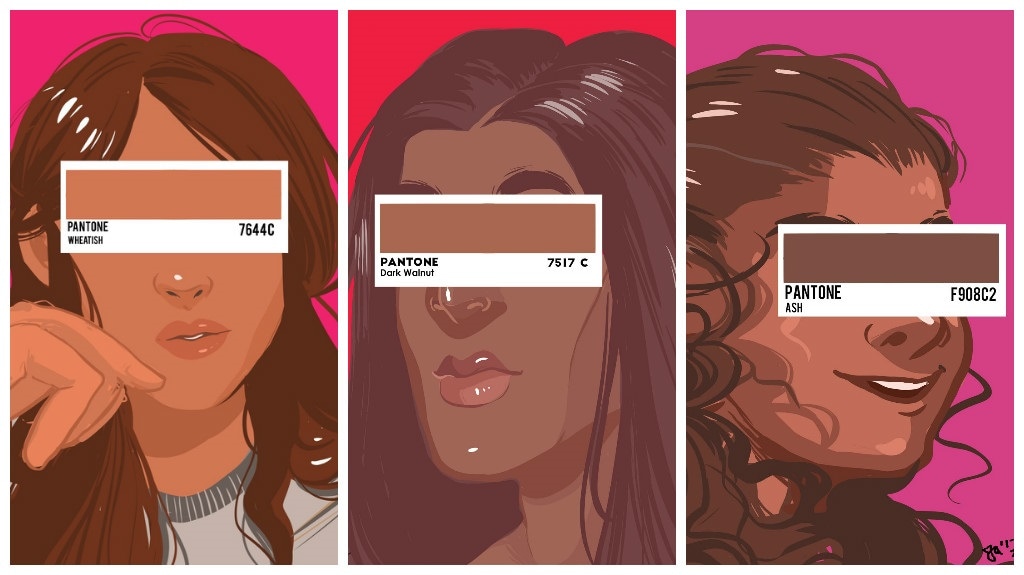 As a dark-skinned girl, speaking about colourism was always very important to me. I realised a lot of Indians don’t really understand the term, and wanted to do something creative that would make them understand it. When I discussed this with Tara, she came up with the name ‘Shade Card’ — a series of poems accompanied by illustrations that bring to light real-life experiences Indian girls have had with complexion. We wanted to cover all shades, not just the darker ones, to show just how much importance Indian society gives to complexion and appearance.[imgcenter]
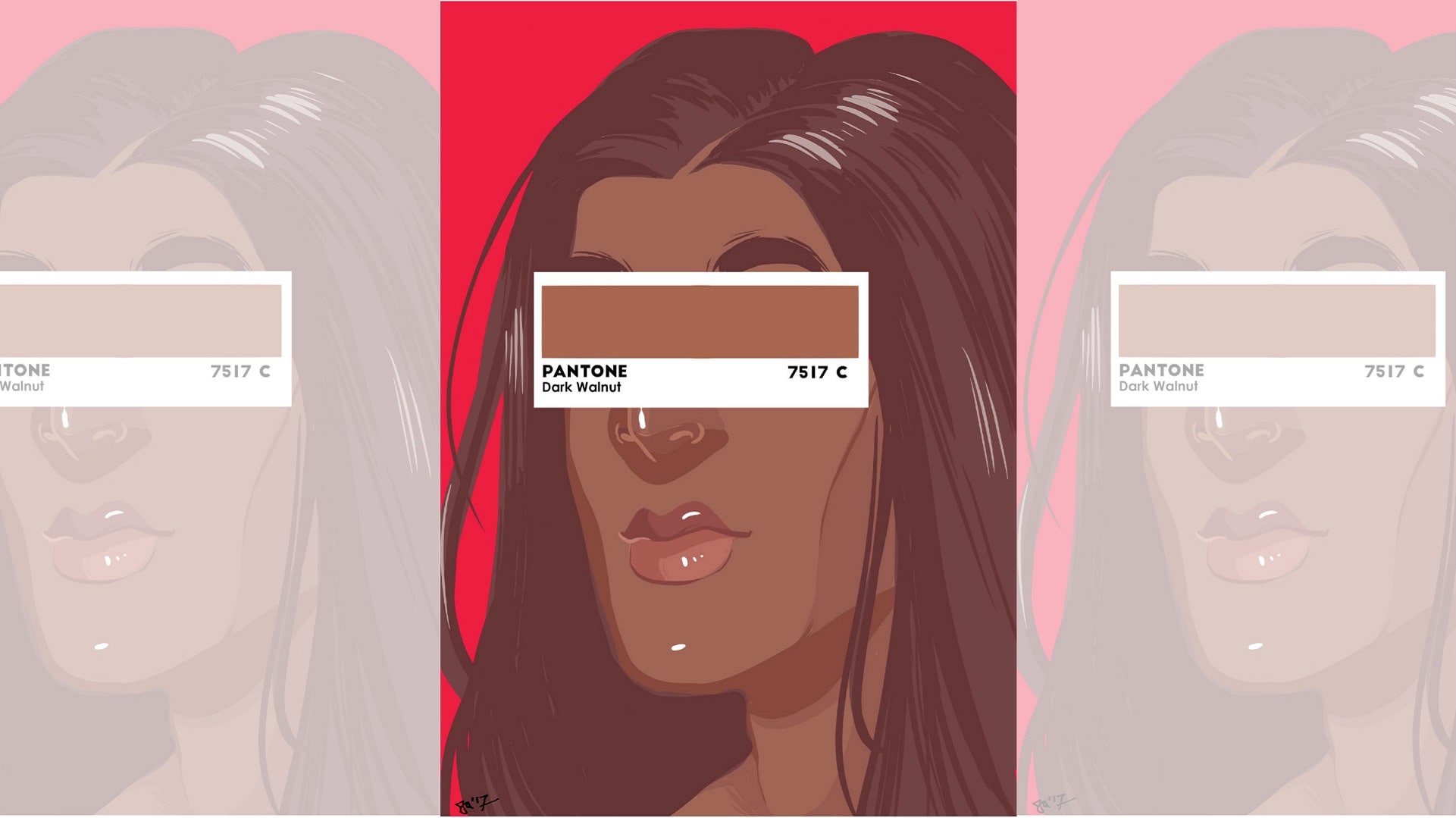 [/imgcenter]Tired but happy, she took a sip out of her water bottleAnd stepped out of her car. She walked to the lift of her building, her littleEarrings dangling from her ears as sweat dangled from the apex of her chin.She had a big performance the following week, because of which her shinHad begun to ache with the long hours of rehearsal, but she didn’t mind.Her Indian classical dance form allowed her to leap, to fly, to findWithin her the beauty that she had for years not been able to trust.When she danced, she transcended universes; reality turned to dust.She straightened her kurta, wiped the moist off her cheek with her sleeve,She shook the bag on her shoulder, to make sure she didn’t leaveHer ghunghrus behind. She stopped before the four lifts of her building’s lobby, smiling at the watchmanWho didn’t smile back. The doors of the lift opened; she entered and suddenly stopped, deadpanWhen she heard the lady next to her speak. The lady was older, bigger, and had tremendously heavy make-up on;She adjusted her ridiculously shimmery sari and looked at the object of scornIn front of her, at the representative of the category of people that was inferior to her own. “Whose house do you work as the maid in?”For a minute, the girl stared at her, confused. Then, glancing at her dark skin,She understood the lady’s question. Not knowing what to say,She mumbled something about her dance class, then quickly made her wayOut of the lift as soon as the doors opened. She felt a strange disconnectionTo her own self. Never before had she been more conscious of her complexion.[imgcenter]
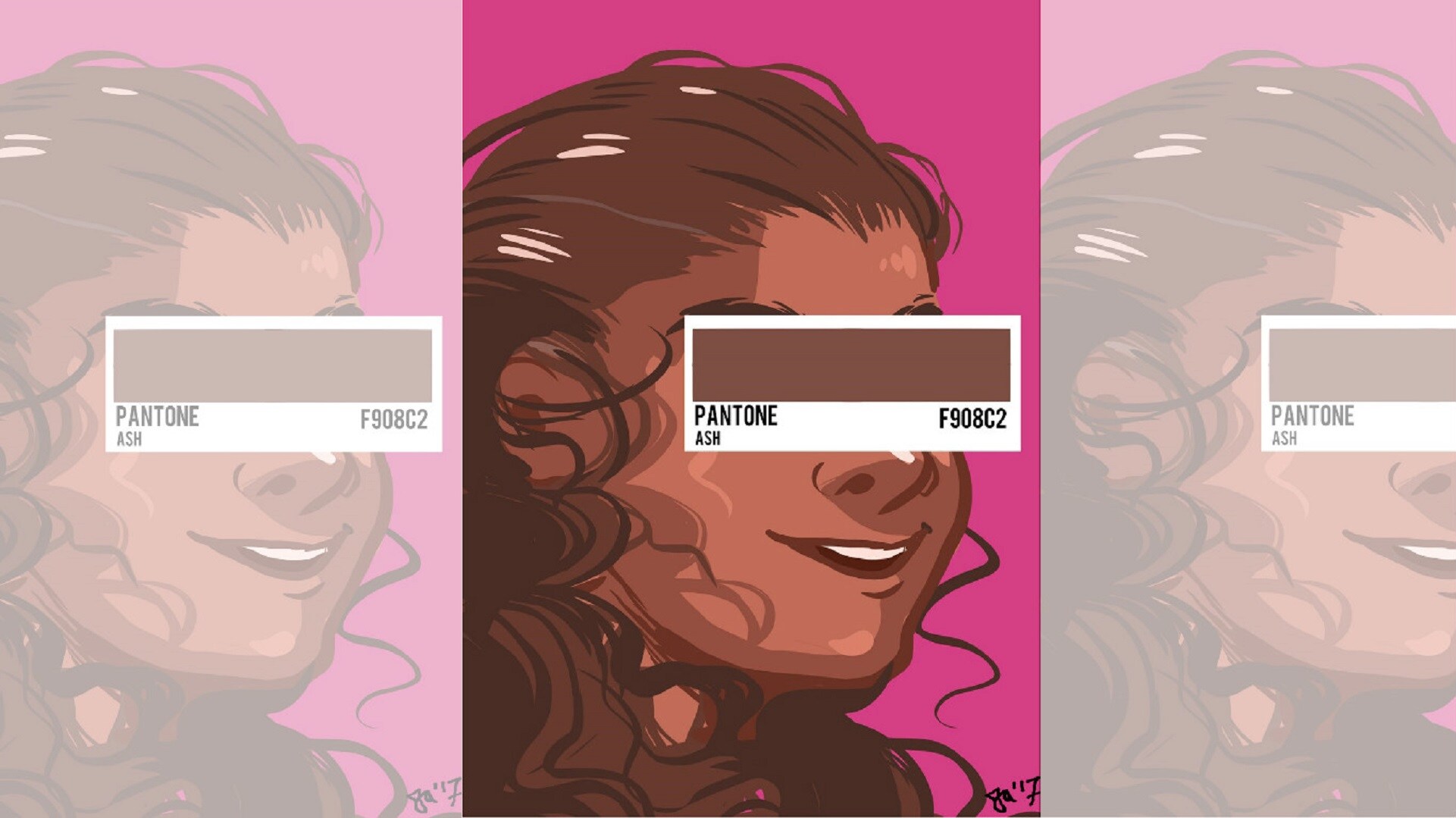 [/imgcenter]‘You’re caught!’ the girl threw her head back and laughed, her eyes small with delightAs she pulled her friend, the thief, into the jail. She could never lose, not without a fight.Her friend rolled his eyes and giggled, retiring to the groundAs she ran out again, to catch the other thieves who were waiting to be found.She scanned the back of every pillar, inspected the space below every chair,She flew through the hallways, ran up flight after flight of stairs.One by one, she caught all the speedy, conniving thieves, returningTo the jail triumphant each time. Her stomach churningWith delight, she declared the winning group. ‘The police have won!’The rest of the police force high-fived one another, the sunMaking their wide eyes reflect every ray that hit them. TheyPicked up their water bottles as the school bell yelled, calling to midday.‘We won’t call her to play with us tomorrow,’ one of the boys said, as they scampered back to class,‘I’m telling you, she cheats. How else can she be that fast?‘Plus,’ he added, in a patronising tone,‘She’s too dark.’ The girl stopped and stayed right where she was, alone.Her pride faded away, dripping through her dusky skin,She didn’t want to fight anymore, she didn’t want to win.She threw herself onto the ground and buried her head in her hands,She looked at her skin, confused. She didn’t understandWhy her complexion mattered to them. Without another word,She slumped back into her seat, dejected, discouraged, unstirred.[imgcenter]
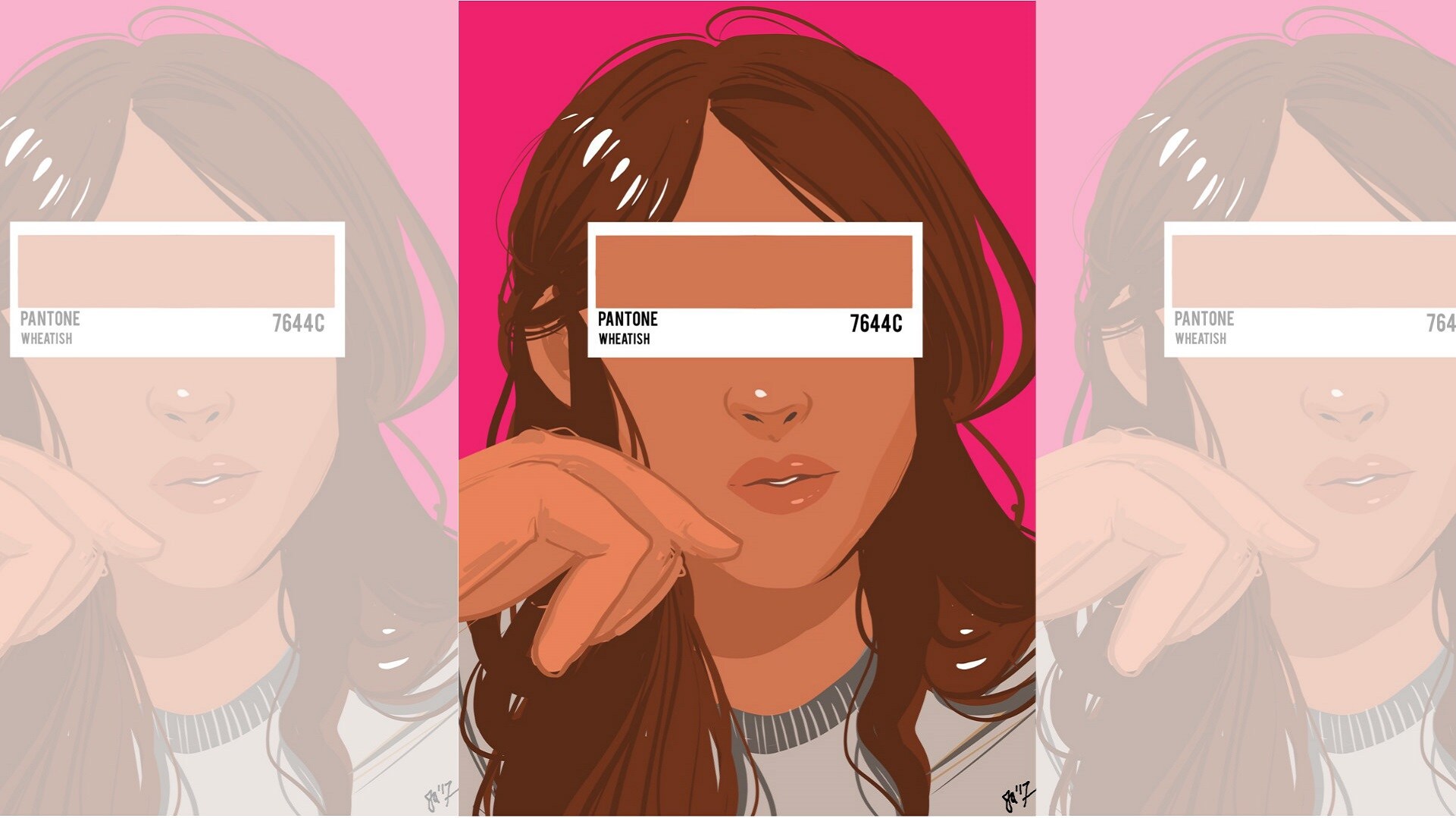 [/imgcenter]Historic train stations, art galleries, beaches that stretched for a thousand miles.She loved everything about her city — its crowd, its chaos, the warm smilesShe was greeted with each time she entered her favorite café. She loved itspeople –She loved how liberated they were; fearless, friendly, always in a hurry and stillSo alive. She hailed a taxi, stepped in, and was about to become one with the blurOf trucks and cars and motorbikes on the street, when a voice stirredHer back into reality. “Are you from Bombay?” the taxi driver asked,Looking at the girl through the rearview mirror; the bottom half of his dark facemaskedWith a thick moustache. The girl nodded yes, before adding, “But originally, I’mfrom South India.”The driver’s eyes widened as he tore them away from the road to look at her. Asthe carSlowed down in front of a traffic signal, he continued, “I am from the South aswell,But I can’t believe you are too! I definitely couldn’t tell;With your light complexion, I assumed you’re from the North or the West ofIndia. It’s goodThat you don’t look like you’re from the South! You shouldBe happy,” The driver said, touching his face as he looked at his own reflection inthe rearview mirror,And sighing. Confused, the girl turned herFace back towards the window, and watched her city speed by.Her city, with its palm trees and bright lights. The MumbaiThat allowed all voices to be heard, big or small. The Mumbai that was anamalgamation of all things Indian;That allowed all voices to be heard; made every opinionMatter. The city that brought together cultures from every corner of the country,The city that was supposed to accept all religions, all ethnicities, all kinds ofpeople. The city that didn’t discriminate; the city that was happy.[imgcenter]
 [/imgcenter]She sat in front of the mirror in her button-down shirt, the table in front of herCovered with hairpins, flower rings, jewelry, a pair of scissorsAnd bottles and bottles of peach-colored make-up. She closed her eyes as her faceChanged shades, getting lighter and lighter with every base.Her eyes stung as they were painted darker to stand out against the fairness, and a tear ran downHer cheek. ‘Don’t worry’, the make-up artist sighed, applying yet another roundOf foundation. The girl had everything she needed for her performance –Her costume, her choreography, her concentration, her confidence.That’s all she needed, didn’t she?She slid her bangles onto her wrist, threeOn each arm, and tightened the gold belt on her hip.She was getting late;She packed her bag and was about to leave when, a loud, ‘Wait!’The make-up artist walked towards her with a peach-coloured sponge andCovered her arms with the colour; from her shoulders down to the tips of her hands.He looked at the girl and smiled. “Now, you’re ready.” As the girl walked out, she contemplatedHow much the world had changed from when her dance form was first created.It didn’t matter that she was to depict Lord Shiva in her performance that day;Shiva, whose skin was dark as night. It didn’t matter that she was going to portrayGoddess Kali — again dark-skinned, fierce and powerful. No —In the final performance, regardless of the perspective a dancer wishes to show,Regardless of the statement she tries to make, regardless of the story in her art,She is made fairer; ‘prettier’, such that it is impossible to tell her apartFrom the others. It didn’t matter that she wanted to use her dance to empower,To change the narrative, to tell stories from the nooks of reality; to flower.With all the modernity around her, she was still a dark girl who took hoursTo become lighter; to ‘look’ like a classical dancer. She wished she had the powerTo bring a little change — to bring the contemporaryInto a traditional dance form, and a seemingly traditional society.[imgcenter]
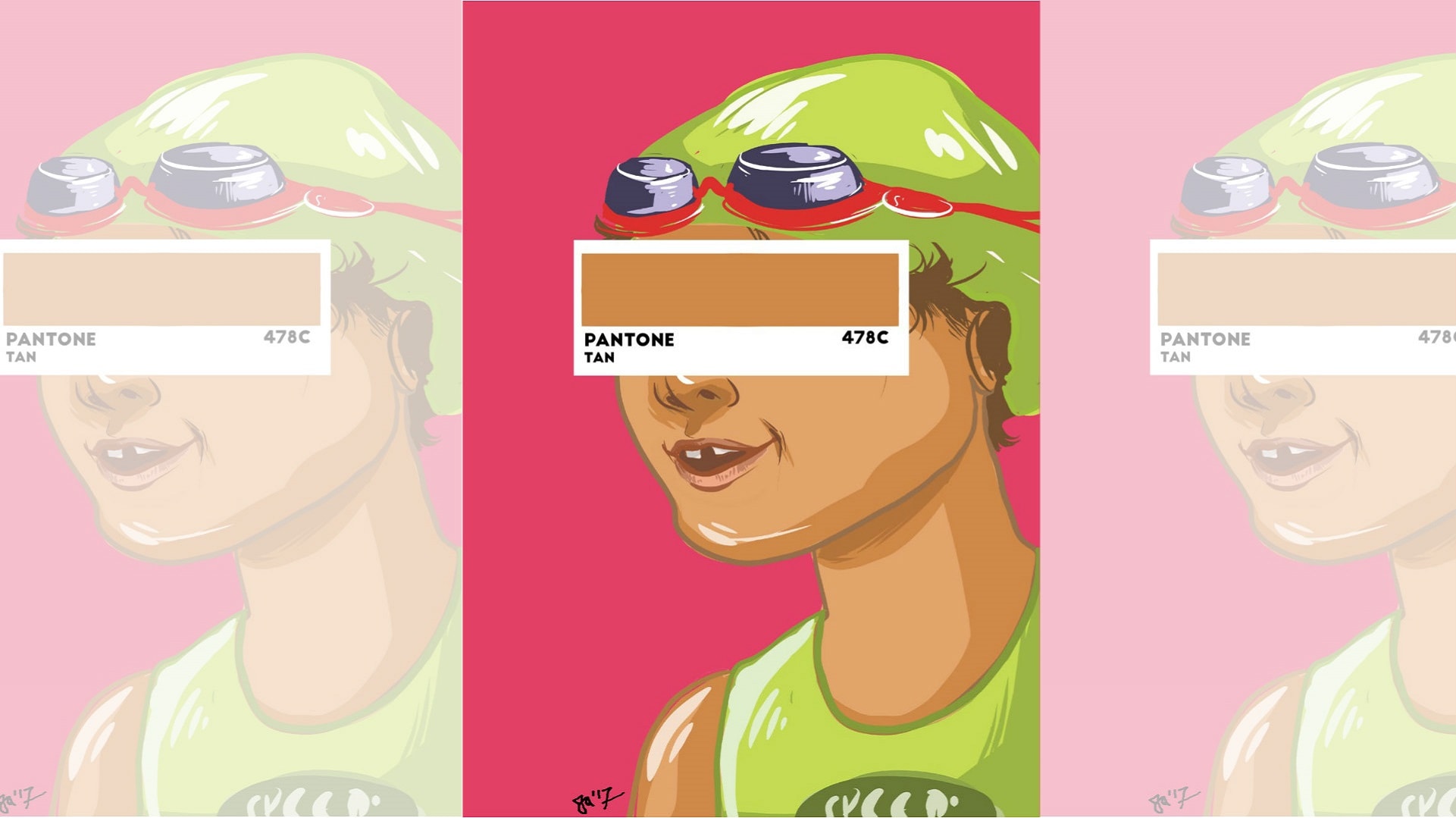 [/imgcenter]She tilted her head. The fish swam right and left, up and down; in all directions.It was as if they were creating and breaking patterns; always making correctionsTo the art they seemed to be producing with their fins. She wished she had fins,too.She wished she had a tail, she wished she has scales, she wished she was painteda hundred different huesJust like the fish. She tore her eyes away from the tank and ran into herbathroomAs fast as her 7-year old feet could take her. She ran out in her blue flippers andher pink bathing suit; one could only assumeThat she adored the sport. She put on her lemon-green cap and her redGoggles, and, standing in front of her mirror, she fitted them on her head.Within seconds, she was out her door and inside the swimming pool of herresidential building.She suddenly couldn’t tell what she was doing anymore. She didn’t know if shewas sprinting,Dancing, or flying. She didn’t know which world she was in; it couldn’t have beenthe real one.She felt like just like the swordtails in the fish tank. She wanted to scream, run,Jump and merely float, all at the same time. The water made her powerful.Suddenly, she felt a tug. She felt someone pullHer to the surface of the pool. “What are you doing?” Her grandmother asked,angry.“You cannot swim now! It is summer, do you not seeThe scorching sun? You will get terribly tan,” she continued, persuading the girlOut of the pool; out of her comfortable, peaceful swirlOf happy and into the safe shade of her apartment. The girl ranInto her room, furious. All she wanted to do was swim. She didn’t see anythingremotely wrong with a tan.[imgcenter]
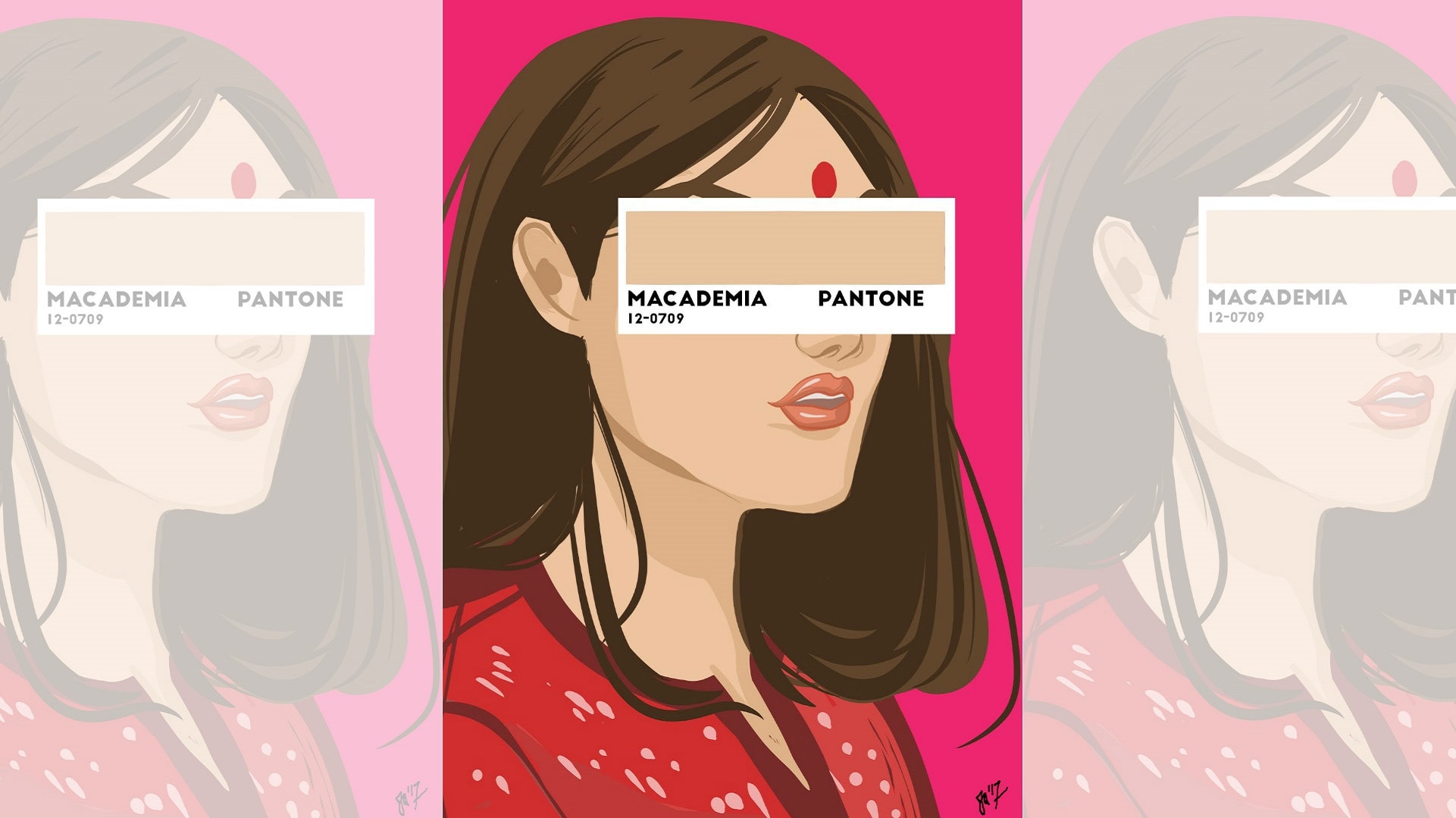 [/imgcenter]She laid out her brand-new lehenga on her bed, admiring it.She didn’t mind how expensive it was, or that its fitWasn’t the best. She thought it was beautiful; she thought its brightYellow colour made her seem happier than usual. She stood in front of the lightsOf her bedroom mirror, put the lehenga on, and was, within minutes, out of her houseAnd on her way to her friend’s Diwali party. She adjusted her blue blouseBefore entering the venue. Diwali was her most favorite festival; she adored the sparkling fireworksAnd the glimmering lamps; the exquisite food and all its other quirks.She rang the doorbell and greeted her friend with an embrace.She wasn’t surprised to see many strangers at the party; her friend was a popular faceIn every social circle there was. She was in conversation with a group when an unfamiliar manJoined in. After introducing themselves to one another, they beganTalking about the history of the festival; the man didn’t knowEnough about its reasons for celebration. The girl felt her excitement grow –It was common knowledge that she knew absolutely everything about Hindu mythology.She knew everything about the Ramayana — the tale of the origins of Diwali — right from its chronologyTo its most intimate details. When the man turned to her and said,“You must be more uninformed than me about this!” she jerked her headBack in surprise. Offended, she asked, “Why so?”“Well, your white skin must mean you aren’t from the country, so you wouldn’t knowEnough about its culture, would you?” She shook her head, appalled. SheDidn’t realise that her complexion could strip her of her culture completely.

Off-centre | Vande Mataram: The mother that we adore
Of nature, culture and alcohol: A glimpse into Sikkim’s age-old brewing traditions
Revisiting the Bollywood dream sequence: A tour of the world, and within
Trams, part of Kolkata heritage, are little more than a nostalgia ride today
Online exhibition archives oral histories of the Kolis, degradation of Mumbai's coastal ecology