
Advertisement


Sections
Inequity of inequality: A lament in Gujarati
In the second part, Neerav Patel, pioneer of Dalit literature in Gujarat, poet extraordinaire, editor and translator, opens the window to his poetry.

 I was born in 1950 in a village called Bhuvaldi in the Ahmedabad district of Gujarat state. I write only Dalit poetry, mainly in my mother tongue Gujarati and in English occasionally. You may know me for my Gujarati Dalit poetry collection Bahishkrut Phoolo; Burning from Both Ends, What Did I Do To Be So Black and Blue are collections of my English translations and original work. I started writing poetry while I was in college, in 1967.I thought that I should write about the plight of my people, the Dalits, who are suffering atrocities, exploitation, discrimination, segregation. And inclined as I was towards poetry, I chose the medium.Dalit poetry eventually emerged as a new genre with its own distinct identity. Akrosh, the first ever Dalit poetry magazine in Gujarati was launched in 1978 by us, the Panther Poets.To promote Dalit literature, we founded an organisation called Swaman Foundation of Dalit Literature, where I worked as General Secretary and as one of the editors to its magazines Sarvanam and Swaman.કાળિયોબાપડા કાળિયાને શી ખબરકે આપણાથી શૂરાતન ના થાય?ગાયના ગૂડા ખાઈને વકરેલોએ તો હાઉ...હાઉ...હાઉ કરતોવીજળીવેગે દોડીદીપડાની જેમ તૂટી પડ્યો.એણે તો બસ ગળચી પકડી રહેંસી કાઢ્યો મોતિયાને-એનો દૂધનો કટોરો ઢોળાયો ચોકમાં,એનાં ગલપટ્ટાનાં મોતી વેરાણાધૂળમાં.એની લહ...લહ...નીકળી ગઈ વેંત લાંબી જીભ.મોઢામાંથી ફીણના પરપોટા ફૂલવા લાગ્યાને ફૂટવા લાગ્યા.ગામ આખ્ખું વળ્યું ટોળે:‘ઢેડાનો કોહ્ય્લો કાળિયો ...બાપડા મોતિયાને ફાડી ખાધો.હેંડો બધાં-હાળા આ તો ફાટી ગ્યા કૂતરાંય આ તો!’ને કાળિયાની પૂંઠે પડ્યાંકણબાં ને કોળા ને ભા ને બાપુ.ભાલા ને બરછી ને દાંતી ને ડાંગ,ને થયું દળકટક ને ધીંગાણું !પણ કાળિયો તો જાણે કાળ ,એ તો ધોડ્યો જાય ઊભી કોતરે ...પૂંઠે કંઈ કેટલાંય ગોટમણા ખાયને ચાટે ધૂળ.પણ કાળિયો તો કાળિયારની જેમબસ ધોડ્યે જાય, ધોડ્યે જાય...કહેવતમાં કીધું છે કે ભાંગી ધા ઢેઢવાડે જાય-ધીંગાણું તો થાકીને ફર્યું પાછુંને વિફર્યું વાસમાં.નળિયા પર પડે ધબધબ લાકડીઓ.ઝૂડી લેંબડી ને ઝૂડી પેંપળી.ઝૂડી શીકોતરીની દેરી ને ફોડી પૂર્વજિયાંની માટલી,ઝૂડી મેઠલી ને ઝૂડી માંનડી,ઝૂડ્યો ધૂળિયો ને ઝૂડ્યો પરમો.ખમા! બાપા ખમા!કાળિયો તો જનાવરપણ તમે તો મનખાદેવ,બાપડા કાળિયાને શી ખબરકે અમારાથી શૂરાતન ના થાય?
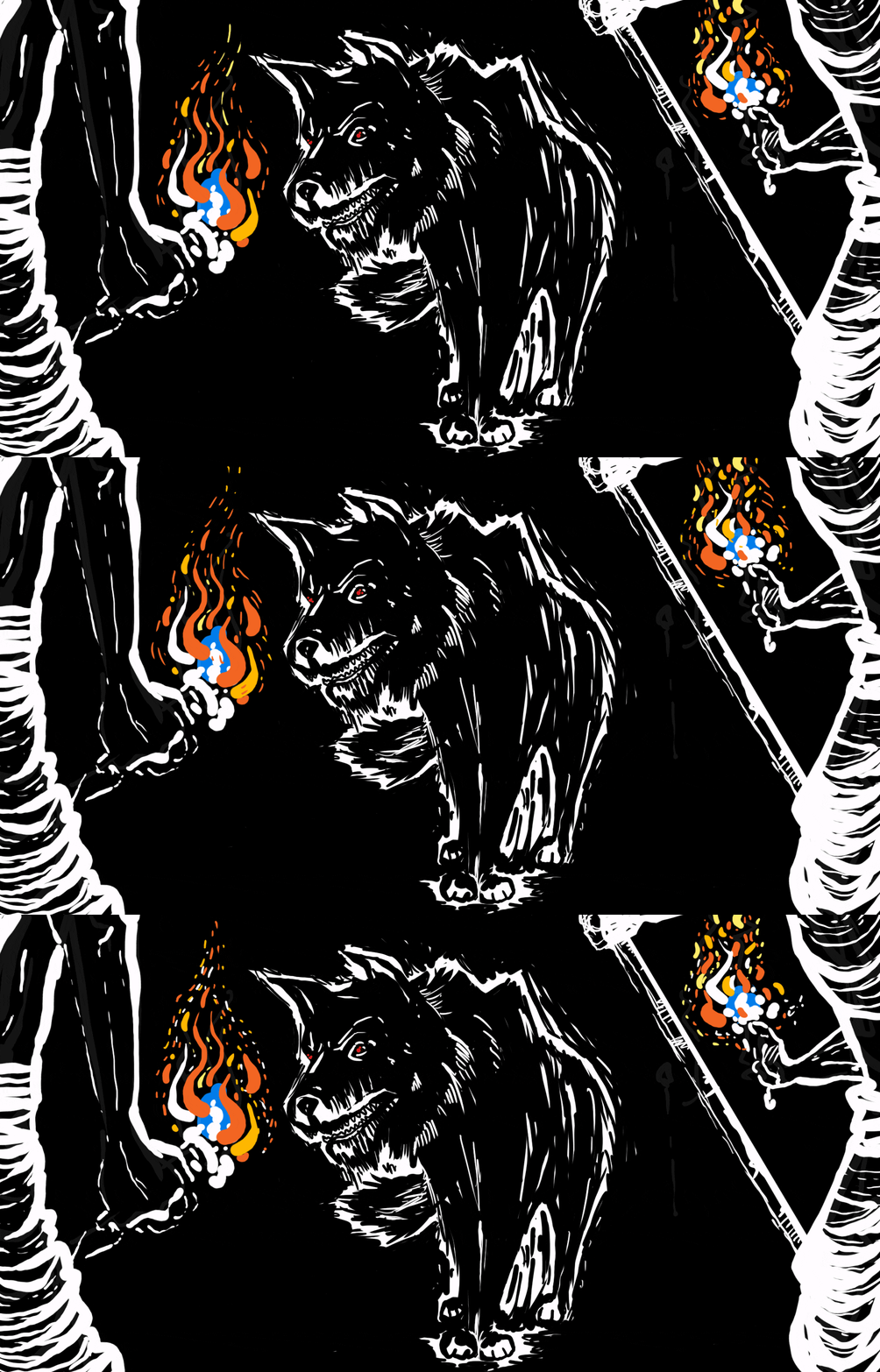
KaaliyoPoor KaaliyoHow was he to knowThat we cannot show off valour?Fed upon cow’s marrowHe raced, screeching awayHauhauhauhauAt the speed of lightWith the pounce of a pantherHe fell upon MotiyoAnd tore his neck apartMotiyo’s bowl of milk lay spilt on the groundHis long tongue lolled outHe frothed and foamed at his mouth,Frothed and foamed.The entire village now rose in rage:“The dhedha’s rotten dogHas torn apart our beloved MotiyoChalo everyone, now even their dogsHave begun to rear their heads!”And they went after KaaliyoKanbis and Kolis and Patels and DarbarsWith spears and sticks and dhariyas and sickles,Waging a war against the dog.But Kaaliyo was like Kaal himselfHe ran faster and fasterAlong the bank of the riverWhile they fell and stumbledFell and stumbled in the dustKaaliyo was like a blackbuckHe ran and he ranThe crowd returned, tired and frustratedAnd as the saying goes,‘the losing dacoits turn to harijans’ homes’They smashed the roof tiles of their hutsThey brought down the neem and the peepal treesThey razed the small temple of Mata ShikotariAnd burst open the ancestral urn of memoriesThey beat up the women and the menMethli and MaandiDhulio and ParmoKhama! Baap Khama!They begged for forgivenessPoor KaaliyoHe is but a beast, our Masters,you are divinely human!How was he to knowThat we cannot show off valour?Translator’s Note: At the heart of the poem is the dog Kaaliyo — a colloquial, if not slightly abusive way, of referring to someone who is dark. Reared in the Dalit slums and ghettoes, upon bone marrow of cows and buffaloes, Kaaliyo is a strong dog. It takes him nothing to vanquish Motiyo — the dog of the upper-castes. Moti (pearl) is weak compared to Kaaliyo. The poem shows how his milk and pearls lay splattered when Kaaliyo attacked him. The two dogs also represent two abstracted and individual situations of Dalit lives, and serve a metonymic purpose to demonstrate how Motiyo is backed by oppressive traditions, structures and systems that make his humiliation bigger than both, dogs and humans, belonging to Dalit society. It was to avenge him, and by extension themselves, that upper-castes in the poem unite and wreak destruction upon the Dalits. The opening and closing lines of the poem hint at this structural violence and inequality weighted against Kaaliyo, and what he represents — the Dalit society.[imgcenter]
 [/imgcenter]અમે ખૂબ વરણાગિયા જાતિના લોકો છીએ.અમારા વડવા તોત્રણ બાંયનું ખમીસ પહેરતા હતા.એમના વડવાના વડવા તોકફનને જ કામળીની જેમ અંગે વીંટાળતા હતા.એમના વડવાના વડવાના વડવા તોનરી ચામડીને જ ઓઢીને ફરતા હતા.હું ય કાંઈ ઓછો વરણાગિયો નથી –સી.જી. રોડના શૉ રૂમ સામેની ફૂટપાથ વળતો હતોને શેઠે આપ્યું કાંઠલા વગરનું, બાંય વગરનુંએક બાંડિયું.તે સલમાન ખાનની જેમ છાતી કાઢીને ફરું છુંને સંજય દત્તની જેમ બાવડાં બતાવું છું સવર્ણાઓને.જાતવાન જુવાનિયા તોમારા લિબાસનું લેબલ જોવા અધીરા થઈ ઊઠે છે,બિચ્ચારા...મારી અસ્પૃશ્ય બોચીને અડક્યા વિના કેમ કરી ઓળખેકે આ તો ઑડ-સાઇઝનું પીટર ઈંગ્લેંડ છે!અમે તો ખૂબ વરણગીય કોમ છીએ.Peter EnglandWe are a very fashionable lot, Sir.You see, our forefathers wore three-sleeved shirts.Their forefathers wore shirts made out of shroudsAs for their forefathers, they wore their own naked skin.You think I am any less stylish?I got myself a pocketless, sleeveless, button-lessshirt.A hand-me-down from the Sheth on CGRoadWhere I sweep the footpath nearby.I loiter bare-chested like Salman KhanAnd flaunt my biceps like Sanjay DuttShowing off to the high-caste womenWho crane their necks to see the label on my shirt.Poor things!How would they knowWithout touching my untouchable neckThat this is an odd-sizedPeter England!Translator’s Note: Dalits in medieval Gujarat were forced to wear three sleeved shirts so that they were identifiable to the upper-caste Hindus, who could then stay away from them. According to the folklore in Gujarat, a Dalit named Mayo sacrificed his life to bring this practice to an end.The poems have been translated from the Gujarati by Rita Kothari. She is currently with the Humanities and Social Sciences Department at the Indian Institute of Technology, Gandhinagar. She has worked extensively on borders, partition, language politics in India, as well as translation. She is the author of Translating India: The Cultural Politics of English; The Burden of Refuge: Sindh, Gujarat, Partition, and Memories and Movements: Borders and Communities in Banni, Kutch. Her translations of note also include Angaliyat: The Stepchild, Modern Gujarati Poetry: A Selection, and Fence written by Ila Arab Mehta. Her forthcoming work includes Agniparkisha: Ordeal Remembered, a memoir based on 1969 riots in Ahmedabad.
First Published:Jun 04, 2017, 08:27:02 IST
Advertisement
Advertisement

Off-centre | Vande Mataram: The mother that we adore
A meditation on the meaning of India as the country celebrates 77th independence Day
Of nature, culture and alcohol: A glimpse into Sikkim’s age-old brewing traditions
Most rural households across Sikkim have their own breweries, which are an integral part of the local culture.
Revisiting the Bollywood dream sequence: A tour of the world, and within
The Bollywood dream sequence helped stretch my imagination in a way that I believed the whole world was within me. This self-sufficiency helped me get through the physical setting I was in, from awkward social gatherings to the confines of my home during the pandemic.
Trams, part of Kolkata heritage, are little more than a nostalgia ride today
In recent years, hit by natural disasters and official neglect, the city’s tram system has become little more than a nostalgia ride, its passengers more often looking for a lark than an efficient trip home.
Online exhibition archives oral histories of the Kolis, degradation of Mumbai's coastal ecology
The online exhibition Through the Eyes of the Kolis uses their photos to highlights how Mumbai's ecology has been disturbed and how the fishermen community are adapting.
Advertisement
Advertisement