
Advertisement


Sections
For Himalayan trekkers, a lost summer: Amid coronavirus crisis, mountains' solace too is forfeit
From our #SummerWithout series | 'Once, I introspected over why one leaves behind urban comforts to trek along these routes in the biting cold. I realise now as I miss out on 2020’s climb that the answer is quite simple: The mountains are addictive, as is journeying through them.'

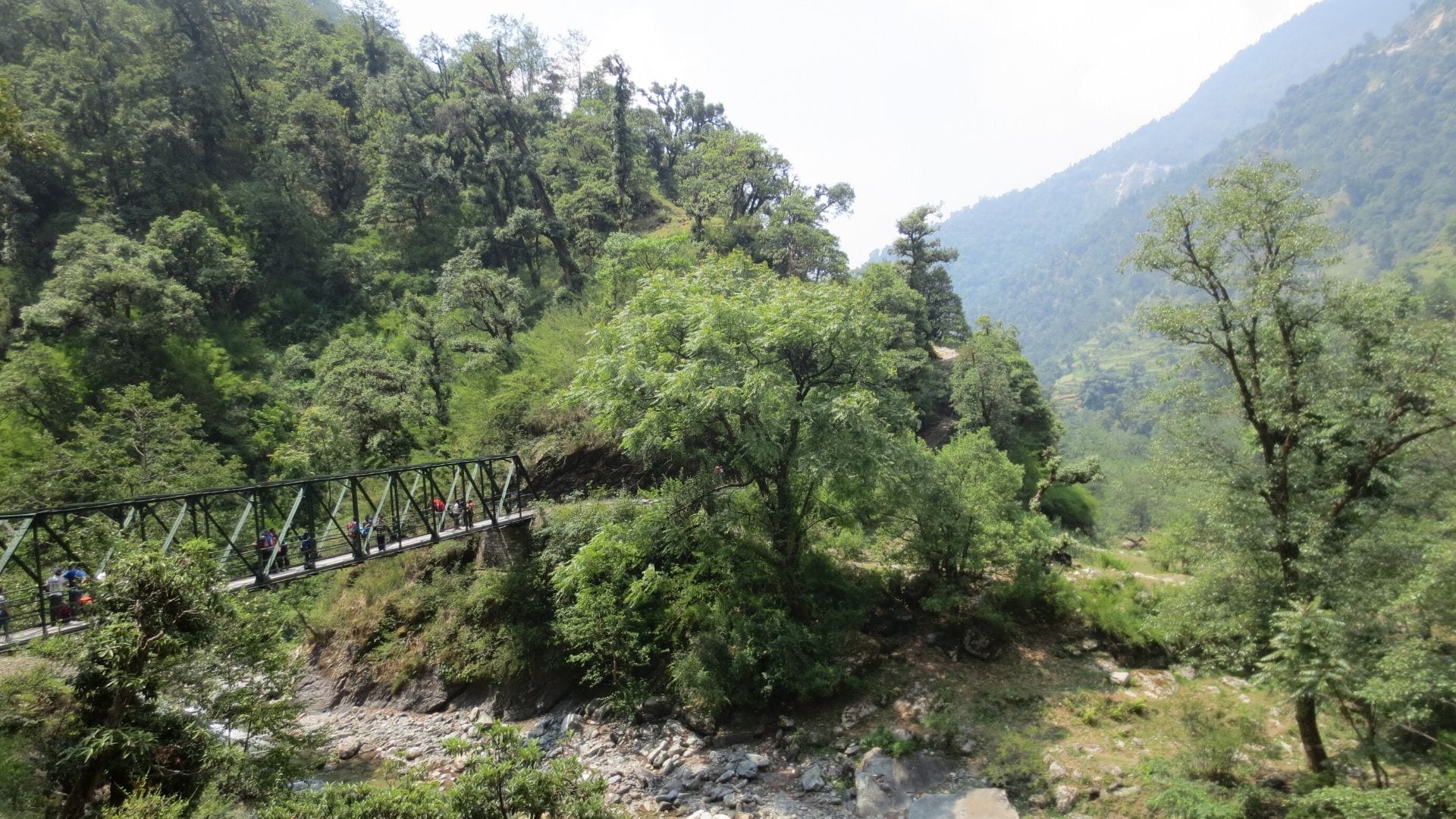
This essay is part of our 'a summer without...' series. Read more here.***Three months ago, when the coronavirus was a calamity unfolding in another part of the world, I was engrossed in studying the itineraries of several Himalayan treks and narrowing down on one before bookings opened and lists of participants flooded our local trekking organisation’s rosters. And I did pick one: Bhrigu Lake, one of the well-known routes along Manali’s Himalayan trekking trail. Twenty days later, the entire country was in lockdown, train journeys were suspended and trek routes were forbidden territory for tourists. There would be no Himalayan trek for me this summer.[imgcenter]![2]() [/imgcenter]In this image: Trekkers crossing a narrow bridge on the Bhrigu Lake trekking trail.As with many trekking enthusiasts, setting off into the mountains for a week or two during the summer has been the high point of my calendar for the past some years. The rucksack that gathers dust in its corner for 11 months is brought out and given a thorough cleaning; multiple WhatsApp texts and phone calls later, a friend with a spare sleeping bag is tracked down (why buy a new one when it’s used only once a year?); and gumboots, down jackets, monkey caps, scarves, sweaters and woollen gloves are brought down from the top shelves of the cupboard — all in the jarring heat of summer.Plans are made for weekend hikes up the local fort, Sinhagad, to practise for the strenuous hikes along the Himalayan trails; running becomes the everyday fitness regime to build stamina; and all unwanted GIFs and "good morning videos" are deleted off one's cellphone to create space for all the amazing photo ops that await in the mountains.[imgcenter]
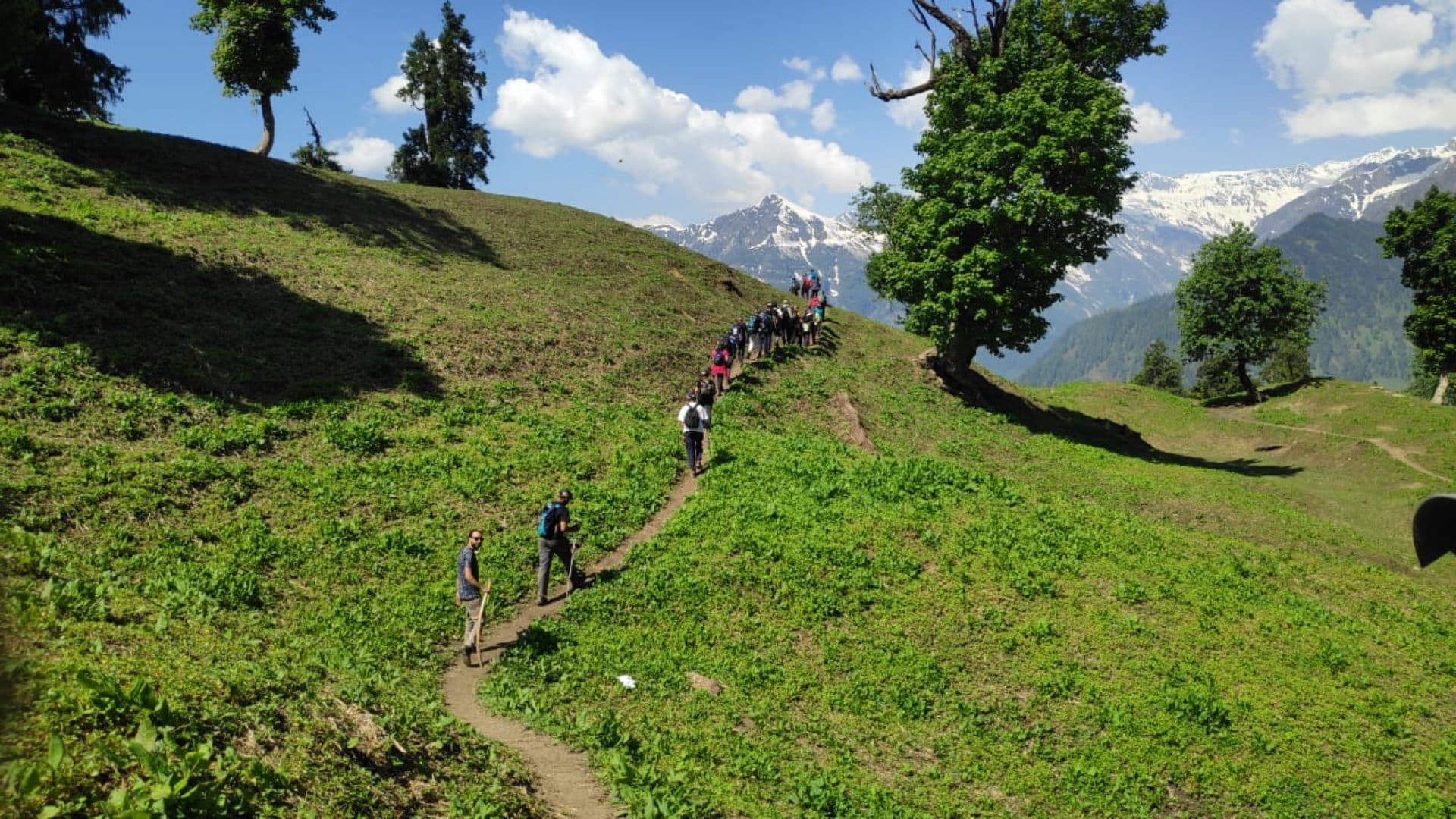
[/imgcenter]In this image: Trekkers crossing a narrow bridge on the Bhrigu Lake trekking trail.As with many trekking enthusiasts, setting off into the mountains for a week or two during the summer has been the high point of my calendar for the past some years. The rucksack that gathers dust in its corner for 11 months is brought out and given a thorough cleaning; multiple WhatsApp texts and phone calls later, a friend with a spare sleeping bag is tracked down (why buy a new one when it’s used only once a year?); and gumboots, down jackets, monkey caps, scarves, sweaters and woollen gloves are brought down from the top shelves of the cupboard — all in the jarring heat of summer.Plans are made for weekend hikes up the local fort, Sinhagad, to practise for the strenuous hikes along the Himalayan trails; running becomes the everyday fitness regime to build stamina; and all unwanted GIFs and "good morning videos" are deleted off one's cellphone to create space for all the amazing photo ops that await in the mountains.[imgcenter]![6]() [/imgcenter]Above image: Hikers wading through a patch of green on the Bhrigu Lake trek.The Himalayas — grand, majestic, massive — beckon hundreds of trekking aficionados from across the world each year, all eager to shed for a while the familiar qualms of modern life.One of the major draws in going off into the mountains situated in the northern and north-eastern parts of India is to get some respite from the sweltering heat of April and May. Ironically then, along the popular trek routes like Deo Tibba, Bhrigu Lake, Har Ki Dun, Rupin Pass and Rohtang Pass, going as high as 13,000 to 15,000 ft, hikers in knee-deep snow yearn for some comforting warmth amid the freezing environs.[imgcenter]
[/imgcenter]Above image: Hikers wading through a patch of green on the Bhrigu Lake trek.The Himalayas — grand, majestic, massive — beckon hundreds of trekking aficionados from across the world each year, all eager to shed for a while the familiar qualms of modern life.One of the major draws in going off into the mountains situated in the northern and north-eastern parts of India is to get some respite from the sweltering heat of April and May. Ironically then, along the popular trek routes like Deo Tibba, Bhrigu Lake, Har Ki Dun, Rupin Pass and Rohtang Pass, going as high as 13,000 to 15,000 ft, hikers in knee-deep snow yearn for some comforting warmth amid the freezing environs.[imgcenter]![1]() [/imgcenter]On the first couple of days, trekkers trudge upwards through patches of green which are quickly replaced by a blanket of snow with a rise in altitude. In this image: Swathes of green along the Har Ki Dun trail.Fascinating to observe is the steady shift in the landscape and temperatures as you trek from one campsite to the next. Setting off from the base camp, you tread along lush green paths, interrupted only by the deep red and purple hues of the flowers in bloom. So enveloped in nature, with no interruptions other than the occasional bird calls, you trudge upwards, as day by day the verdant grass gives way to snow clad paths and towards the end of a long march, you set up tents on a plush white, freezing lawn of ice and snow.Trekking requires not only physical stamina and fitness but also tremendous will power. Atop great heights and low temperatures, altitude sickness is a real danger; setting up our tents and exploring the campsite — rather than simply crawling into the sleeping bag as the sun goes down — become ways of acclimatising to the falling mercury.[imgcenter]
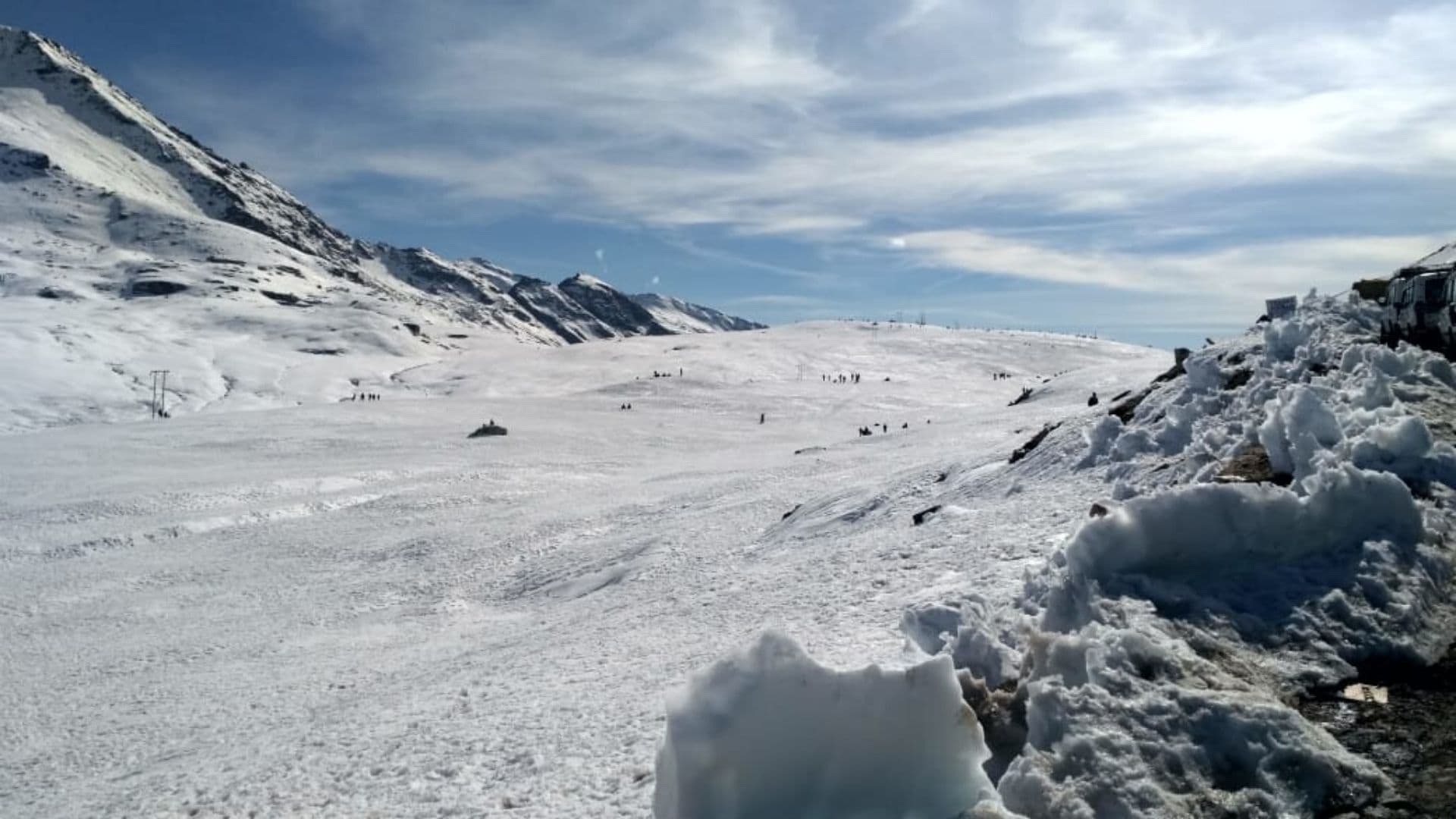
[/imgcenter]On the first couple of days, trekkers trudge upwards through patches of green which are quickly replaced by a blanket of snow with a rise in altitude. In this image: Swathes of green along the Har Ki Dun trail.Fascinating to observe is the steady shift in the landscape and temperatures as you trek from one campsite to the next. Setting off from the base camp, you tread along lush green paths, interrupted only by the deep red and purple hues of the flowers in bloom. So enveloped in nature, with no interruptions other than the occasional bird calls, you trudge upwards, as day by day the verdant grass gives way to snow clad paths and towards the end of a long march, you set up tents on a plush white, freezing lawn of ice and snow.Trekking requires not only physical stamina and fitness but also tremendous will power. Atop great heights and low temperatures, altitude sickness is a real danger; setting up our tents and exploring the campsite — rather than simply crawling into the sleeping bag as the sun goes down — become ways of acclimatising to the falling mercury.[imgcenter]![3]() [/imgcenter]In this photo: Snow covered paths along the Rohtang Pass trekAlso read — To Sandakphu: Thoughts on traversing a Himalayan trekking trailWhere memories are forged are of course on those evenings when fatigued trekkers, red-nosed and hands numbed from the frost, gather around the fire, and the local trek leaders regale us ‘city folk’ with their most popular stories: from the follies of past hikers on the route, to ghost tales about a pahadi bhoot hiding only metres from the campsite, to how the next day’s climb is only 'this many' finger lengths away (always, always translate that into miles and miles away).[imgcenter]
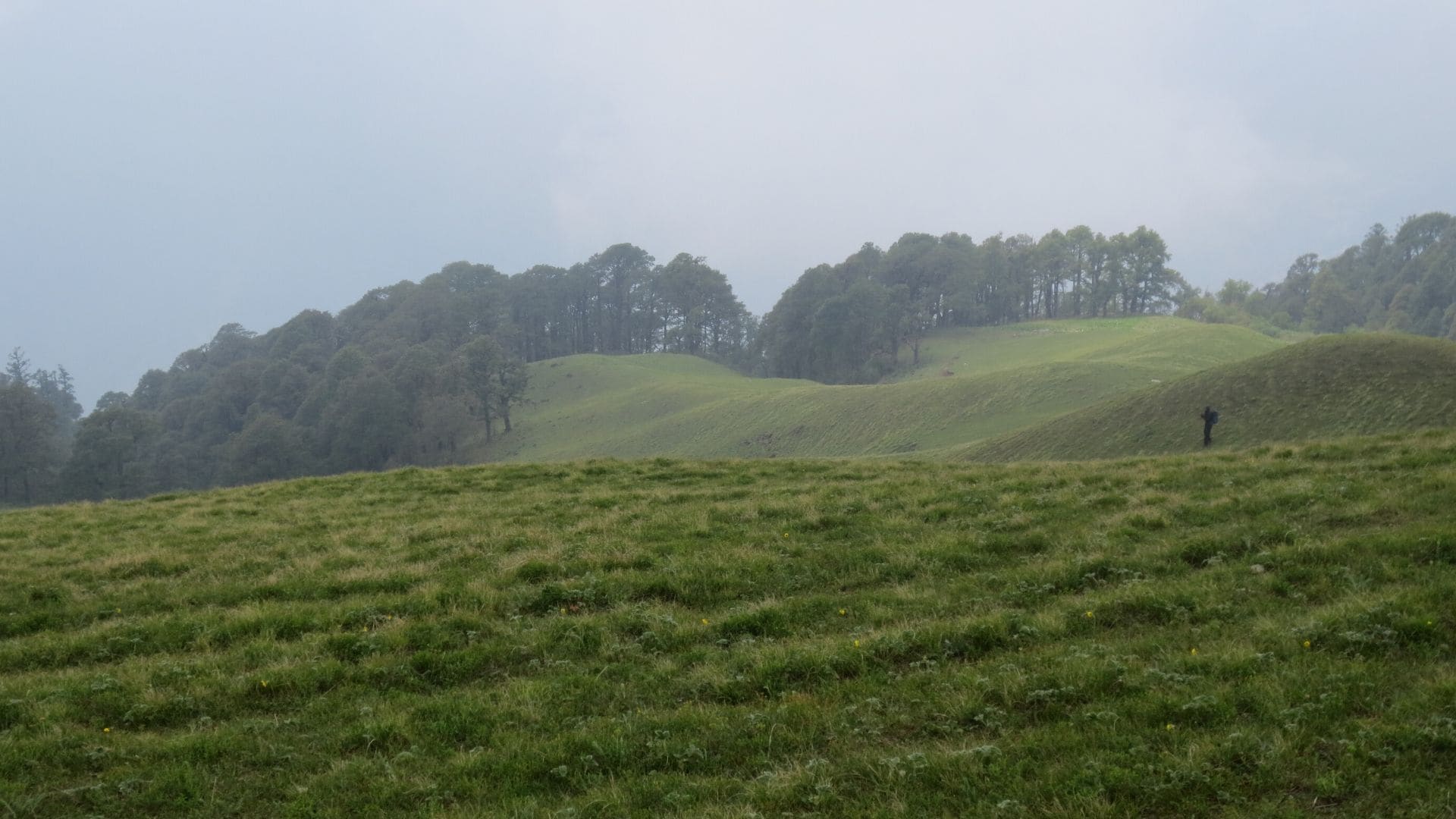
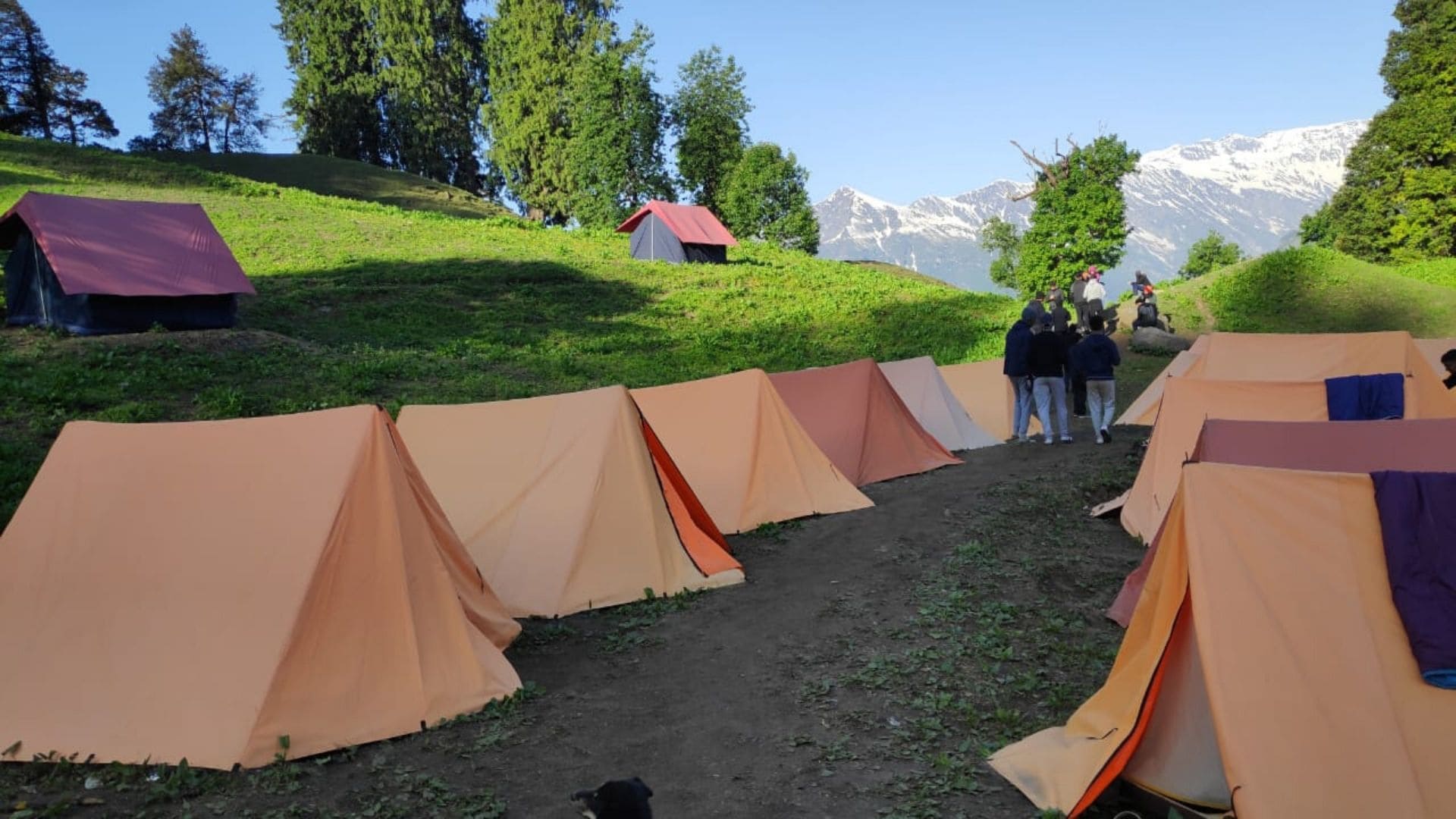
[/imgcenter]In this photo: Snow covered paths along the Rohtang Pass trekAlso read — To Sandakphu: Thoughts on traversing a Himalayan trekking trailWhere memories are forged are of course on those evenings when fatigued trekkers, red-nosed and hands numbed from the frost, gather around the fire, and the local trek leaders regale us ‘city folk’ with their most popular stories: from the follies of past hikers on the route, to ghost tales about a pahadi bhoot hiding only metres from the campsite, to how the next day’s climb is only 'this many' finger lengths away (always, always translate that into miles and miles away).[imgcenter]![5]() [/imgcenter]Above photo: Tents set-up and arranged in neat rows by participants and their trek leaders at a campsite on the Bhrigu Lake trekNow, with the trek routes closed off for tourists, the local guides have lost out on their income for the year. With their homes nestled in the mountains, the trek guides lead a simple existence that is governed by the weather. The mountaineers run their households on the income they generate from the local Himalayan treks in the ranges of Uttarakhand and Himachal Pradesh, stocking up in summer so that in winter, as the snows relentlessly beat down upon their huts, they can stay indoors by the warmth of a small fire, waiting for the weather to clear.The loss of livelihood and revenue brought upon them by the pandemic-related lockdown means the local trek guides affiliated to trekking institutes across the country, who thrive on tips and commissions, will face a tough year ahead, until tourists are allowed back to the mountains.[imgcenter]
[/imgcenter]Above photo: Tents set-up and arranged in neat rows by participants and their trek leaders at a campsite on the Bhrigu Lake trekNow, with the trek routes closed off for tourists, the local guides have lost out on their income for the year. With their homes nestled in the mountains, the trek guides lead a simple existence that is governed by the weather. The mountaineers run their households on the income they generate from the local Himalayan treks in the ranges of Uttarakhand and Himachal Pradesh, stocking up in summer so that in winter, as the snows relentlessly beat down upon their huts, they can stay indoors by the warmth of a small fire, waiting for the weather to clear.The loss of livelihood and revenue brought upon them by the pandemic-related lockdown means the local trek guides affiliated to trekking institutes across the country, who thrive on tips and commissions, will face a tough year ahead, until tourists are allowed back to the mountains.[imgcenter]![4]() [/imgcenter]A view of the Himalayas as seen along the Har Ki Dun trek.Once, I introspected over why one leaves behind urban comforts to walk along these routes in the biting cold. I realise now as I miss out on 2020’s climb that the answer is quite simple: The mountains are addictive, as is journeying through them.[imgcenter]
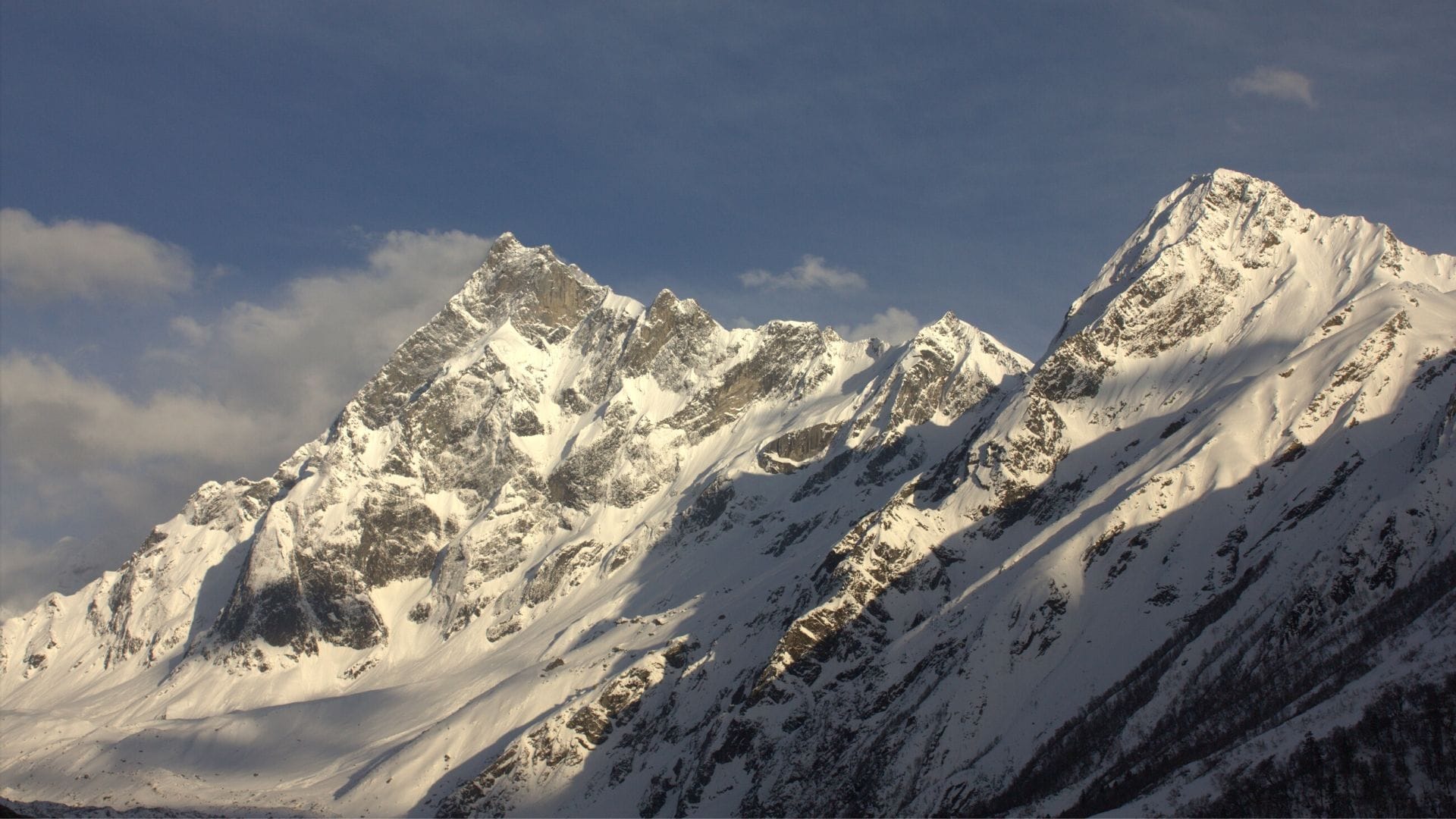
[/imgcenter]A view of the Himalayas as seen along the Har Ki Dun trek.Once, I introspected over why one leaves behind urban comforts to walk along these routes in the biting cold. I realise now as I miss out on 2020’s climb that the answer is quite simple: The mountains are addictive, as is journeying through them.[imgcenter]![8]() [/imgcenter]In the mountains, the mind is thrust into a heady calm, an emptiness devoid of cumbersome emotionsWhen I plan a trek in the Himalayas, I realise I look forward not only to the climb (which feels like an achievement in itself), or the tent stays and makeshift bathrooms, or the delicious meat curries, but also the absence of the noise of our quotidian, mundane existence. When in the mountains, the mind is thrust into a heady, empty space devoid of cumbersome feelings. There is a sense of abandon, of falling free into an embracing void.
In these uncertain times, it seems those faraway mountains alone symbolise what stability stood for, their constant unchanging existence which has now somehow been replaced by an overwhelming sense of doom and negativity. Yet, there is solace in knowing that when the winds shift and a semblance of normalcy returns, as the world picks up the bits and pieces of a crumbling economy and an unsteady sense of self, the mountains will be there, waiting for me, with their silence, peace, calm and all.***Banner image: A view of snow clad hill tops en route the Har Ki Dun trekking trailAll images courtesy Akshay Gokhale/ Yuvashakti
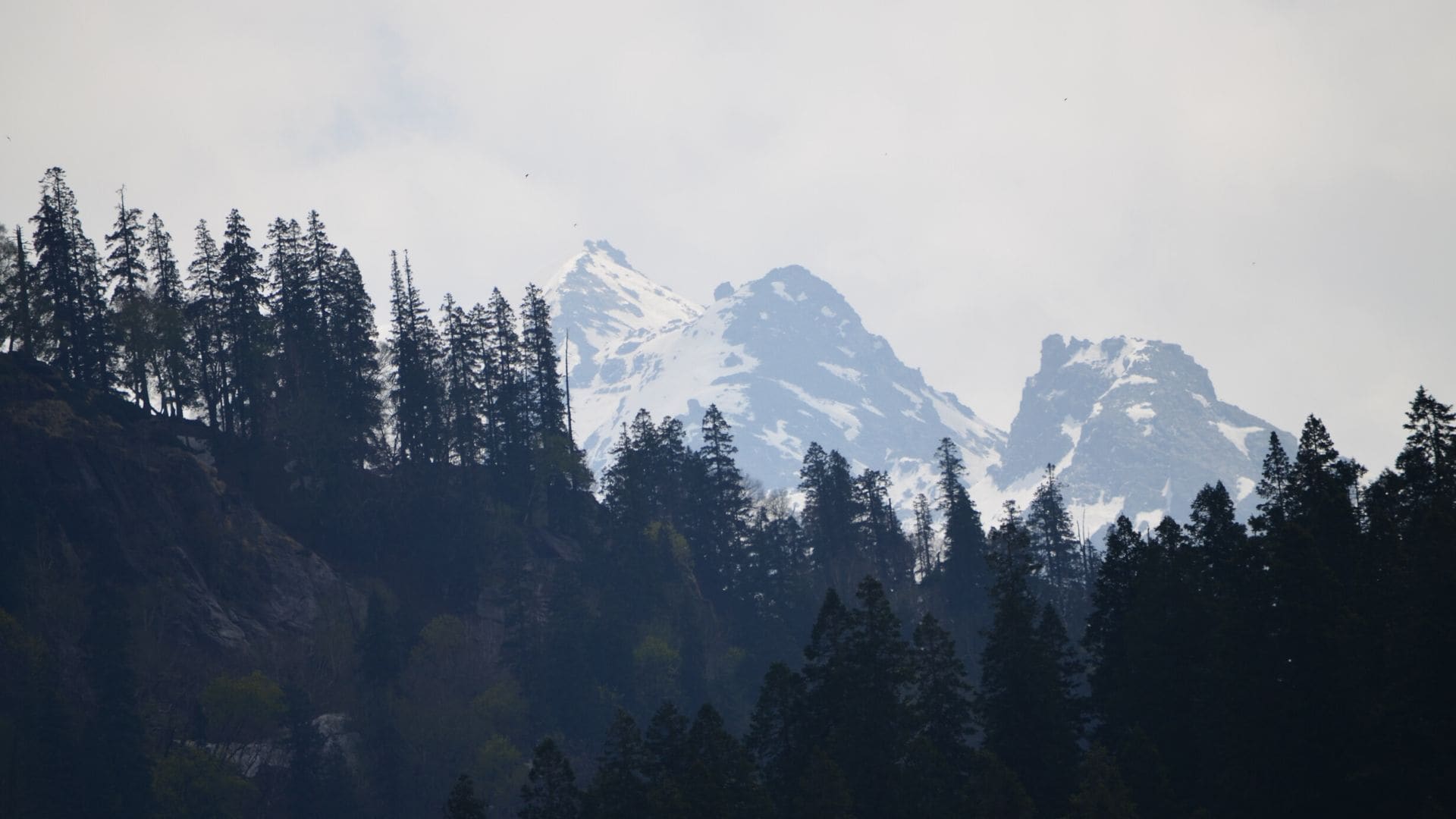
[/imgcenter]In the mountains, the mind is thrust into a heady calm, an emptiness devoid of cumbersome emotionsWhen I plan a trek in the Himalayas, I realise I look forward not only to the climb (which feels like an achievement in itself), or the tent stays and makeshift bathrooms, or the delicious meat curries, but also the absence of the noise of our quotidian, mundane existence. When in the mountains, the mind is thrust into a heady, empty space devoid of cumbersome feelings. There is a sense of abandon, of falling free into an embracing void.
In these uncertain times, it seems those faraway mountains alone symbolise what stability stood for, their constant unchanging existence which has now somehow been replaced by an overwhelming sense of doom and negativity. Yet, there is solace in knowing that when the winds shift and a semblance of normalcy returns, as the world picks up the bits and pieces of a crumbling economy and an unsteady sense of self, the mountains will be there, waiting for me, with their silence, peace, calm and all.***Banner image: A view of snow clad hill tops en route the Har Ki Dun trekking trailAll images courtesy Akshay Gokhale/ Yuvashakti
 [/imgcenter]In this image: Trekkers crossing a narrow bridge on the Bhrigu Lake trekking trail.As with many trekking enthusiasts, setting off into the mountains for a week or two during the summer has been the high point of my calendar for the past some years. The rucksack that gathers dust in its corner for 11 months is brought out and given a thorough cleaning; multiple WhatsApp texts and phone calls later, a friend with a spare sleeping bag is tracked down (why buy a new one when it’s used only once a year?); and gumboots, down jackets, monkey caps, scarves, sweaters and woollen gloves are brought down from the top shelves of the cupboard — all in the jarring heat of summer.Plans are made for weekend hikes up the local fort, Sinhagad, to practise for the strenuous hikes along the Himalayan trails; running becomes the everyday fitness regime to build stamina; and all unwanted GIFs and "good morning videos" are deleted off one's cellphone to create space for all the amazing photo ops that await in the mountains.[imgcenter]
 [/imgcenter]Above image: Hikers wading through a patch of green on the Bhrigu Lake trek.The Himalayas — grand, majestic, massive — beckon hundreds of trekking aficionados from across the world each year, all eager to shed for a while the familiar qualms of modern life.One of the major draws in going off into the mountains situated in the northern and north-eastern parts of India is to get some respite from the sweltering heat of April and May. Ironically then, along the popular trek routes like Deo Tibba, Bhrigu Lake, Har Ki Dun, Rupin Pass and Rohtang Pass, going as high as 13,000 to 15,000 ft, hikers in knee-deep snow yearn for some comforting warmth amid the freezing environs.[imgcenter]
 [/imgcenter]On the first couple of days, trekkers trudge upwards through patches of green which are quickly replaced by a blanket of snow with a rise in altitude. In this image: Swathes of green along the Har Ki Dun trail.Fascinating to observe is the steady shift in the landscape and temperatures as you trek from one campsite to the next. Setting off from the base camp, you tread along lush green paths, interrupted only by the deep red and purple hues of the flowers in bloom. So enveloped in nature, with no interruptions other than the occasional bird calls, you trudge upwards, as day by day the verdant grass gives way to snow clad paths and towards the end of a long march, you set up tents on a plush white, freezing lawn of ice and snow.Trekking requires not only physical stamina and fitness but also tremendous will power. Atop great heights and low temperatures, altitude sickness is a real danger; setting up our tents and exploring the campsite — rather than simply crawling into the sleeping bag as the sun goes down — become ways of acclimatising to the falling mercury.[imgcenter]
 [/imgcenter]In this photo: Snow covered paths along the Rohtang Pass trekAlso read — To Sandakphu: Thoughts on traversing a Himalayan trekking trailWhere memories are forged are of course on those evenings when fatigued trekkers, red-nosed and hands numbed from the frost, gather around the fire, and the local trek leaders regale us ‘city folk’ with their most popular stories: from the follies of past hikers on the route, to ghost tales about a pahadi bhoot hiding only metres from the campsite, to how the next day’s climb is only 'this many' finger lengths away (always, always translate that into miles and miles away).[imgcenter]
 [/imgcenter]Above photo: Tents set-up and arranged in neat rows by participants and their trek leaders at a campsite on the Bhrigu Lake trekNow, with the trek routes closed off for tourists, the local guides have lost out on their income for the year. With their homes nestled in the mountains, the trek guides lead a simple existence that is governed by the weather. The mountaineers run their households on the income they generate from the local Himalayan treks in the ranges of Uttarakhand and Himachal Pradesh, stocking up in summer so that in winter, as the snows relentlessly beat down upon their huts, they can stay indoors by the warmth of a small fire, waiting for the weather to clear.The loss of livelihood and revenue brought upon them by the pandemic-related lockdown means the local trek guides affiliated to trekking institutes across the country, who thrive on tips and commissions, will face a tough year ahead, until tourists are allowed back to the mountains.[imgcenter]
 [/imgcenter]A view of the Himalayas as seen along the Har Ki Dun trek.Once, I introspected over why one leaves behind urban comforts to walk along these routes in the biting cold. I realise now as I miss out on 2020’s climb that the answer is quite simple: The mountains are addictive, as is journeying through them.[imgcenter]
 [/imgcenter]In the mountains, the mind is thrust into a heady calm, an emptiness devoid of cumbersome emotionsWhen I plan a trek in the Himalayas, I realise I look forward not only to the climb (which feels like an achievement in itself), or the tent stays and makeshift bathrooms, or the delicious meat curries, but also the absence of the noise of our quotidian, mundane existence. When in the mountains, the mind is thrust into a heady, empty space devoid of cumbersome feelings. There is a sense of abandon, of falling free into an embracing void.
Also Read
here
First Published:Jun 06, 2020, 09:08:25 IST
Advertisement
Advertisement

Off-centre | Vande Mataram: The mother that we adore
A meditation on the meaning of India as the country celebrates 77th independence Day
Of nature, culture and alcohol: A glimpse into Sikkim’s age-old brewing traditions
Most rural households across Sikkim have their own breweries, which are an integral part of the local culture.
Revisiting the Bollywood dream sequence: A tour of the world, and within
The Bollywood dream sequence helped stretch my imagination in a way that I believed the whole world was within me. This self-sufficiency helped me get through the physical setting I was in, from awkward social gatherings to the confines of my home during the pandemic.
Trams, part of Kolkata heritage, are little more than a nostalgia ride today
In recent years, hit by natural disasters and official neglect, the city’s tram system has become little more than a nostalgia ride, its passengers more often looking for a lark than an efficient trip home.
Online exhibition archives oral histories of the Kolis, degradation of Mumbai's coastal ecology
The online exhibition Through the Eyes of the Kolis uses their photos to highlights how Mumbai's ecology has been disturbed and how the fishermen community are adapting.
Advertisement
Advertisement