
Advertisement


Sections
Category Error: In the midst of a pandemic, life goes on in an Indian high rise complex
In 'Category Error', writer-painter Amruta Patil marries news-triggered observation with fiction, history, philosophy, against the backdrop of an Indian high rise.

In a new column, 'Category Error', Amruta Patil marries news-triggered observation with fiction, history, philosophy, against the backdrop of an Indian high rise.Read more from the series here.***1 | Appropriating the Clubhouse“People read slight and insult where there is none,” thought the Zumba instructor in apartment E303 of Atlantis Co Operative Housing Society. She had seen her friend trolled online for sharing photos of smoothies and sourdough bread while “others had trouble accessing basic rations”. This made her apprehensive about her own message on the Society’s WhatsApp group — a proposal to move aside the exercycle and carrom board in the Society clubhouse to set up a waxing-threading service for disheveled citizens.Did it make her a shallow person, if she was filled with loathing and inertia at the sight of her own limbs?[imgcenter]![a1]() [/imgcenter]The human animal has an instinct for survival. Beyond a certain limit of anxiety and grief, it loses its ability to feel.Responses to her WhatsApp message poured in within seconds.-Beautician wearing gloves and mask?-Gr8! I’m in.-But clubhouse has no curtains.-Underarms & half legs only, plz, not full Brazilian. Wear palazzos.The human animal has an impulse to self-preserve. Beyond a certain limit of altruism and Big Picture, it seeks to return to the bosom of small pleasures, small comfort.2 | Fast Track ExitThe funeral ghats, in TV news coverage, have a bereft look about them.Being cremated in Varanasi is said to be a fast track exit from cycles of reincarnation, but people just aren’t being able to bring their dead to the city anymore. In A201, the family is relieved that their deceased matriarch made it onto that fast track in time, one week before lockdown. Other departed souls must still be milling around making too-slow progress, just like the disenfranchised undead on Indian roads.The man of the house, whose export house supplied bead-embellished knickknacks to Pier1 Home Décor, has considered the possibility that — while he did not specifically want to die right now — right now may be a better time than most, because we are not alone. The fast track doesn’t allow for group journeys, but this comes close.He’d find resonance in the thoughts of anthropologist-theologian Douglas Davies, who studies humanity’s changing rapport with funerary practices: “This intuitive sense that the whole of society has lost something at this moment might make it easier for individuals who are bereaved to feel like they're in the same boat as thousands of others.”Societies struggle when situations demand that social contact be curbed. That arm around a shoulder, hand placed atop hand, peoples’ voices and presence — these are keystones of solace. The clan in A201, not unlike royal families of Egypt many millennia ago, cannot bear to think about bodies left unclaimed by family members for fear of contamination. Or bodies refused burial at a graveyard for the same reason. Or, for that matter, about a young woman running around Patna roads with a dead baby in her hands.[imgcenter]
[/imgcenter]The human animal has an instinct for survival. Beyond a certain limit of anxiety and grief, it loses its ability to feel.Responses to her WhatsApp message poured in within seconds.-Beautician wearing gloves and mask?-Gr8! I’m in.-But clubhouse has no curtains.-Underarms & half legs only, plz, not full Brazilian. Wear palazzos.The human animal has an impulse to self-preserve. Beyond a certain limit of altruism and Big Picture, it seeks to return to the bosom of small pleasures, small comfort.2 | Fast Track ExitThe funeral ghats, in TV news coverage, have a bereft look about them.Being cremated in Varanasi is said to be a fast track exit from cycles of reincarnation, but people just aren’t being able to bring their dead to the city anymore. In A201, the family is relieved that their deceased matriarch made it onto that fast track in time, one week before lockdown. Other departed souls must still be milling around making too-slow progress, just like the disenfranchised undead on Indian roads.The man of the house, whose export house supplied bead-embellished knickknacks to Pier1 Home Décor, has considered the possibility that — while he did not specifically want to die right now — right now may be a better time than most, because we are not alone. The fast track doesn’t allow for group journeys, but this comes close.He’d find resonance in the thoughts of anthropologist-theologian Douglas Davies, who studies humanity’s changing rapport with funerary practices: “This intuitive sense that the whole of society has lost something at this moment might make it easier for individuals who are bereaved to feel like they're in the same boat as thousands of others.”Societies struggle when situations demand that social contact be curbed. That arm around a shoulder, hand placed atop hand, peoples’ voices and presence — these are keystones of solace. The clan in A201, not unlike royal families of Egypt many millennia ago, cannot bear to think about bodies left unclaimed by family members for fear of contamination. Or bodies refused burial at a graveyard for the same reason. Or, for that matter, about a young woman running around Patna roads with a dead baby in her hands.[imgcenter]![a2]() [/imgcenter]Such a lapse of human solidarity, to deny a life a respectful closure!
[/imgcenter]Such a lapse of human solidarity, to deny a life a respectful closure!![a3]() [/imgcenter]The watchmen, who were all from the same village on the Assam-Nagaland border, moved into apartment E101. The secretary of the Residents’ Welfare Association, a retired Indian Railways official in a monkey cap, went and reiterated that the commodes were to be sat on, not squatted upon.***Writer-painter Amruta Patil is the author of graphic novels Kari, Adi Parva: Churning of the Ocean, Sauptik: Blood and Flowers, and Aranyaka: Book of the Forest. On Instagram: @amruta_gauri
[/imgcenter]The watchmen, who were all from the same village on the Assam-Nagaland border, moved into apartment E101. The secretary of the Residents’ Welfare Association, a retired Indian Railways official in a monkey cap, went and reiterated that the commodes were to be sat on, not squatted upon.***Writer-painter Amruta Patil is the author of graphic novels Kari, Adi Parva: Churning of the Ocean, Sauptik: Blood and Flowers, and Aranyaka: Book of the Forest. On Instagram: @amruta_gauri
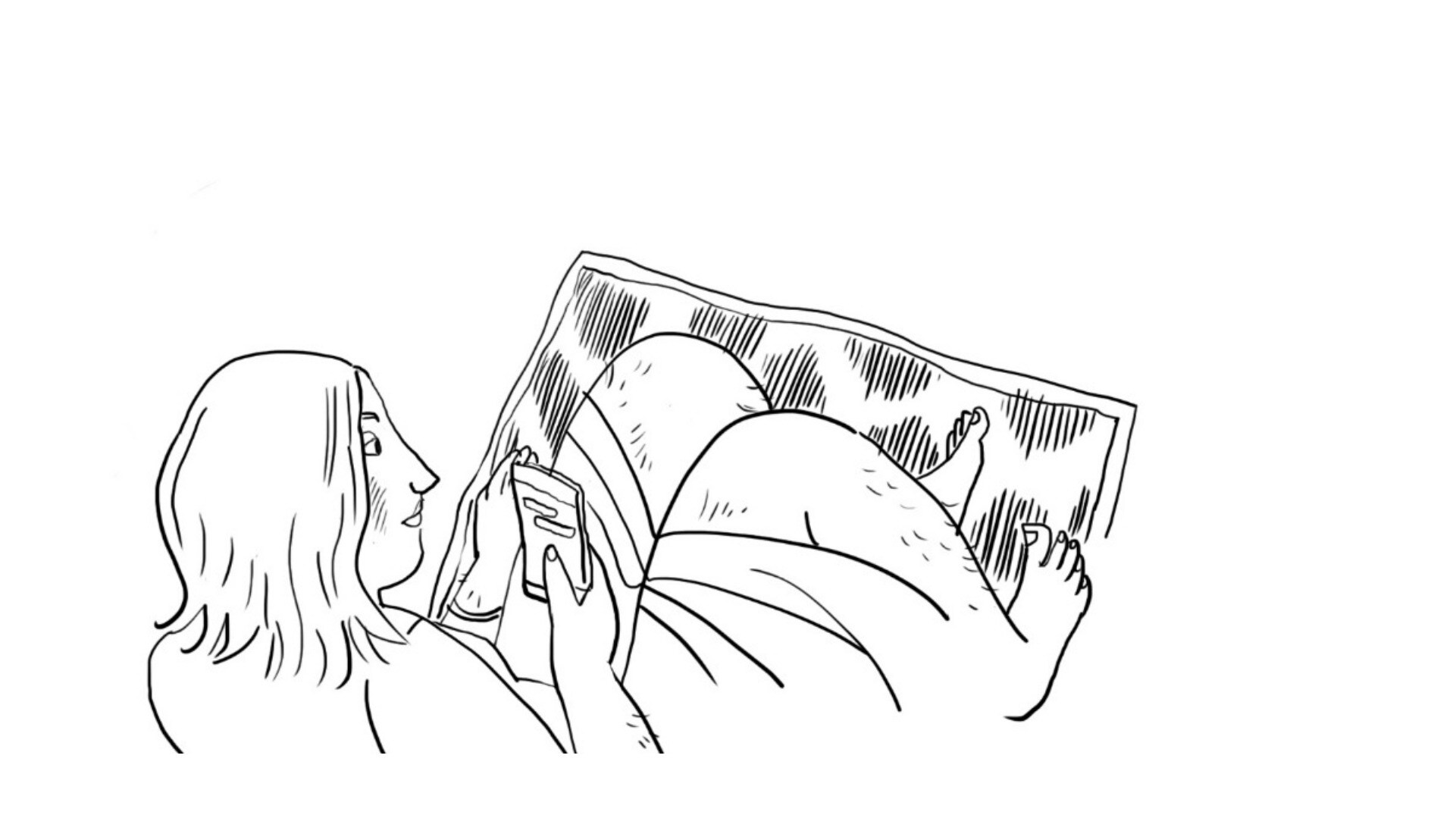 [/imgcenter]The human animal has an instinct for survival. Beyond a certain limit of anxiety and grief, it loses its ability to feel.Responses to her WhatsApp message poured in within seconds.-Beautician wearing gloves and mask?-Gr8! I’m in.-But clubhouse has no curtains.-Underarms & half legs only, plz, not full Brazilian. Wear palazzos.The human animal has an impulse to self-preserve. Beyond a certain limit of altruism and Big Picture, it seeks to return to the bosom of small pleasures, small comfort.2 | Fast Track ExitThe funeral ghats, in TV news coverage, have a bereft look about them.Being cremated in Varanasi is said to be a fast track exit from cycles of reincarnation, but people just aren’t being able to bring their dead to the city anymore. In A201, the family is relieved that their deceased matriarch made it onto that fast track in time, one week before lockdown. Other departed souls must still be milling around making too-slow progress, just like the disenfranchised undead on Indian roads.The man of the house, whose export house supplied bead-embellished knickknacks to Pier1 Home Décor, has considered the possibility that — while he did not specifically want to die right now — right now may be a better time than most, because we are not alone. The fast track doesn’t allow for group journeys, but this comes close.He’d find resonance in the thoughts of anthropologist-theologian Douglas Davies, who studies humanity’s changing rapport with funerary practices: “This intuitive sense that the whole of society has lost something at this moment might make it easier for individuals who are bereaved to feel like they're in the same boat as thousands of others.”Societies struggle when situations demand that social contact be curbed. That arm around a shoulder, hand placed atop hand, peoples’ voices and presence — these are keystones of solace. The clan in A201, not unlike royal families of Egypt many millennia ago, cannot bear to think about bodies left unclaimed by family members for fear of contamination. Or bodies refused burial at a graveyard for the same reason. Or, for that matter, about a young woman running around Patna roads with a dead baby in her hands.[imgcenter]
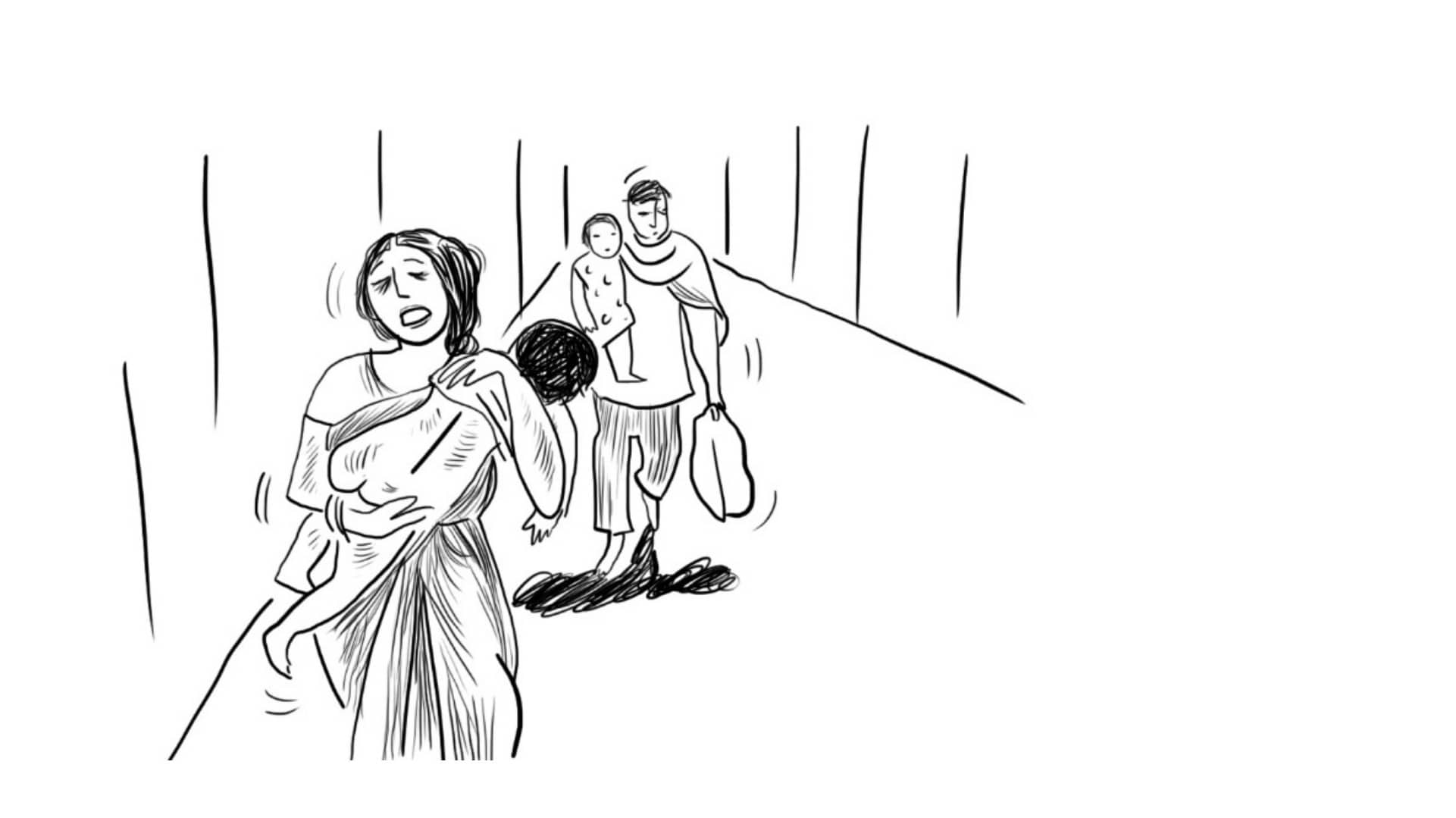 [/imgcenter]Such a lapse of human solidarity, to deny a life a respectful closure!
With no audience or superstructure kept intact for rituals of grieving — it is as if the event of grief itself has been denied existence.3 | Occupying Empty FlatsIn a rare instance of consensus plus proactive action, the Residents’ Welfare Association of Atlantis Co Operative Housing Society decided to offer the unoccupied basement flats E101 and E102 to the migrant population of watchmen and the cleaning ladies. Resources were pooled in to supply rice, dal, cooking oil, turmeric, salt, chilli powder, onions and potatoes, ridge gourd and medicinal-smelling soap.The cleaning ladies, who were all from a village in the Terai region of Nepal, declined. WhatsApp analyses suggested they did not want to be separated from their extended families, even if it kept them from squalor. Or that they demanded shampoo sachets and tea, which weren’t considered ‘essential items’. One analyst said the women suspected they were being kept there not for their own wellbeing, but so the apartment complex could still be kept clean.[imgcenter]
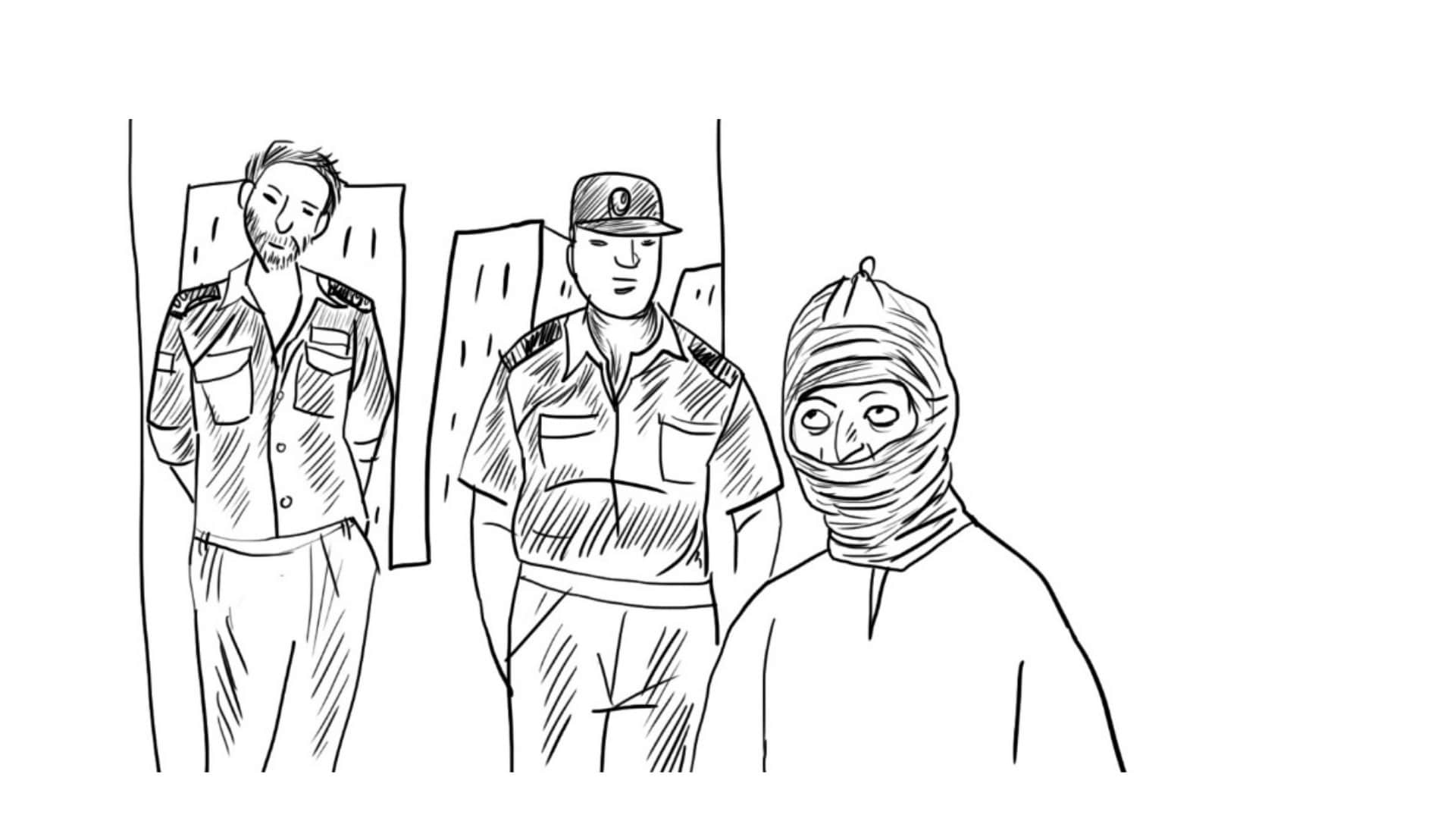 [/imgcenter]The watchmen, who were all from the same village on the Assam-Nagaland border, moved into apartment E101. The secretary of the Residents’ Welfare Association, a retired Indian Railways official in a monkey cap, went and reiterated that the commodes were to be sat on, not squatted upon.***Writer-painter Amruta Patil is the author of graphic novels Kari, Adi Parva: Churning of the Ocean, Sauptik: Blood and Flowers, and Aranyaka: Book of the Forest. On Instagram: @amruta_gauri
First Published:Apr 21, 2020, 09:26:10 IST
Advertisement
Advertisement

Off-centre | Vande Mataram: The mother that we adore
A meditation on the meaning of India as the country celebrates 77th independence Day
Of nature, culture and alcohol: A glimpse into Sikkim’s age-old brewing traditions
Most rural households across Sikkim have their own breweries, which are an integral part of the local culture.
Revisiting the Bollywood dream sequence: A tour of the world, and within
The Bollywood dream sequence helped stretch my imagination in a way that I believed the whole world was within me. This self-sufficiency helped me get through the physical setting I was in, from awkward social gatherings to the confines of my home during the pandemic.
Trams, part of Kolkata heritage, are little more than a nostalgia ride today
In recent years, hit by natural disasters and official neglect, the city’s tram system has become little more than a nostalgia ride, its passengers more often looking for a lark than an efficient trip home.
Online exhibition archives oral histories of the Kolis, degradation of Mumbai's coastal ecology
The online exhibition Through the Eyes of the Kolis uses their photos to highlights how Mumbai's ecology has been disturbed and how the fishermen community are adapting.
Advertisement
Advertisement