
Advertisement


Sections
A Dalit Woman in the Land of Goddesses
In the 12th edition of Bards of Resistance, meet Telugu-English poet Aruna Gogulamanda.

 I’m Aruna Gogulamanda and have been writing for a couple of years now. I write in both in Telugu and English and have written a number of poems in both the languages. As a research scholar, at UoH I chose “Select Dalit and Non Dalit Women’s Autobiographies” as my area of work. Choosing this topic made me understand my women and how they are treated in this country that boasts of treating its women as goddesses.I’m from a middle class family — my father, an agricultural officer and a staunch follower of Marxist philosophy and mother, an orthodox Christian. I observed the women of Dalit ghettos whenever I visited my grandparents’ house and watched them toil to make ends meet and how they were abused by everyone around.Later, when I chose the Dalit Woman as my research area, I truly understood the reasons behind her oppressed life. I saw my mother toiling like any other Dalit woman, though, we are a little better off because of my dad’s job, having big families to look after from both the sides. I saw my aunts who were scared to face landlords when they went out to fetch water and firewood in the fields. Poor, young Dalit girls were sexually abused and left with no other option but to surrender or commit suicide.As women coming from the next generation, who have better voices and the strength to stand tall and express the multifaceted oppression faced by our women through our writings, we face acute criticism from men around us, including Dalit men. Men from our own community dictate terms to us about what to write and what not to, or try to peep into our personal lives and don’t hesitate to attempt personal attacks or to push us away from writing.This is what made me write for my women seriously. Nothing much is done in bringing out the Dalit woman’s inner struggle and strong voice despite all the odds stacked against her. I penned my lines to present to society how unusual it is being a Dalit Woman. The Dalit Woman is the other for the whole of Indian society.Indian Feminism, which has come out as a protest against the patriarchy of our society, has turned a deaf ear to the Dalit Woman’s pain, the suffering and the terror she is put though by the Brahminic society that has made her a mere object of hatred, desire and contempt. Her availability at fields and construction sites without any protection, in order to earn food and livelihood, has made her available to men. They make use of her physical self in every possible way and then discard her as an untouchable in the end. This hardly finds any representation in Feminist Literature.My poems try to portray the ghastly treatment many poor Dalit women go through every day to make ends meet. The many, many atrocities against her that continue to this day in this country in the form of rapes, naked parading and character assassination and domestic violence made me write about her. I wanted to depict the differences and the extreme difficulties of living with caste stigma in this country.The poem I am presenting as a part of this column goes like this:ఆమెకు చెప్పారుఆమెను రవికవేసుకోవద్దన్నారు.ప్రతీమగాడూ ఆమెను వస్తువుగా చూడాలని.తన పసిబిడ్డల లేతపొట్టల ఆకలితీర్చేందుకుతనకుతానే పావుగా మారిన ఆమెకు..వంచిన నడుం ఎత్తరాదనీతలెత్తి నడవరాదనీఆమెకు చెప్పారు.తనపాకవద్దో, కామందు మండువాలోనోతిండికీ నీళ్ళకీ నోచుకోకమానవ యంత్రంగా నిరంతరం పనిచేస్తూనే ఉండాలనివాళ్ళామెకు చెప్పారు.ఆకలికేడుస్తున్న బిడ్డకు పాలుకుడపాలనే ఆశను చంపుకొనిసలపరిస్తున్న పాలిండ్లబాధనుపంటిబిగువున దిగమింగి పనిలో పాతుకుపొమ్మనిఆమెకు చెప్పారు.పెనిమిటిపెట్టే చీవాట్లనూ,యజమానిచేసే అత్యాచారాలనూమౌనంగా భరించి పడుండమడమే తప్పఎదురాడరాదని..,తనకంటూ ఓ శరీరముందని ఏనాడోమర్చిపోయినఆమెకు చెప్పారు.ఎర్రటి ఎండలో సూరీడు ఆమె రంగును దోచుకుంటేఆమె అందాన్నీ,సౌకుమార్యాన్నీ కామందు జుర్రుకుంటాడు.దురాశ తీర్చుకున్నాక ఆమెను అంటరాని పురుగువని విదిలించిపారేస్తాడు.పీడ అనీవాడిపారేసిన ముట్టుగుడ్డలా అపశకునమనీ,అసహ్యమనీవాళ్ళామెను అవమానించారు.ఆమె కళ్ళుఎండిపోయిన రెండు గాజుగుంటలుఅవిచెప్తాయి ఆమెలాంటి ఎన్నో కధలుపొలాల్లోనూ, రోడ్లపైనా ఎన్నెన్ని వందల చావులుకడజాతిలో పుట్టినపాపానికి తమ తల్లులూ పిల్లలూ చవిచూసారోశపించబడిన జాతిలో జన్మించినందుకు ఎలాంటి మూల్యం చెల్లించారో అవి చెప్తాయి.కానీ..రేగి, జడలు కట్టిన ఆజుట్టూఅరకొరగా తప్ప ఆదేహాన్ని దాచని మాసికచీరామొద్దుబారిన చేతులూపగిలిన మడమలూయవ్వనం దోచబడి ముడతలుదేరిన మోమూ....చెప్పలేవు.ఏళ్ళకేళ్ళుగా ఎన్నెన్ని అవమానాలు తాగుతూ క్షణానికోసారి వీళ్ళందరూ చచ్చిపోయారోఎన్నెన్ని భయాలతో, చీత్కారాలతో..జీవచ్చవాల్లా చస్తూ బతికారో చెప్పడానికి వాటికి నోరులేదు.ఆమెకు చెప్పారుఆమె మురికనిమకిలనిమైలనీస్త్రీ దేవతైన ఈ వేదభూమిలోఆమె దళిత అని.[imgcenter]
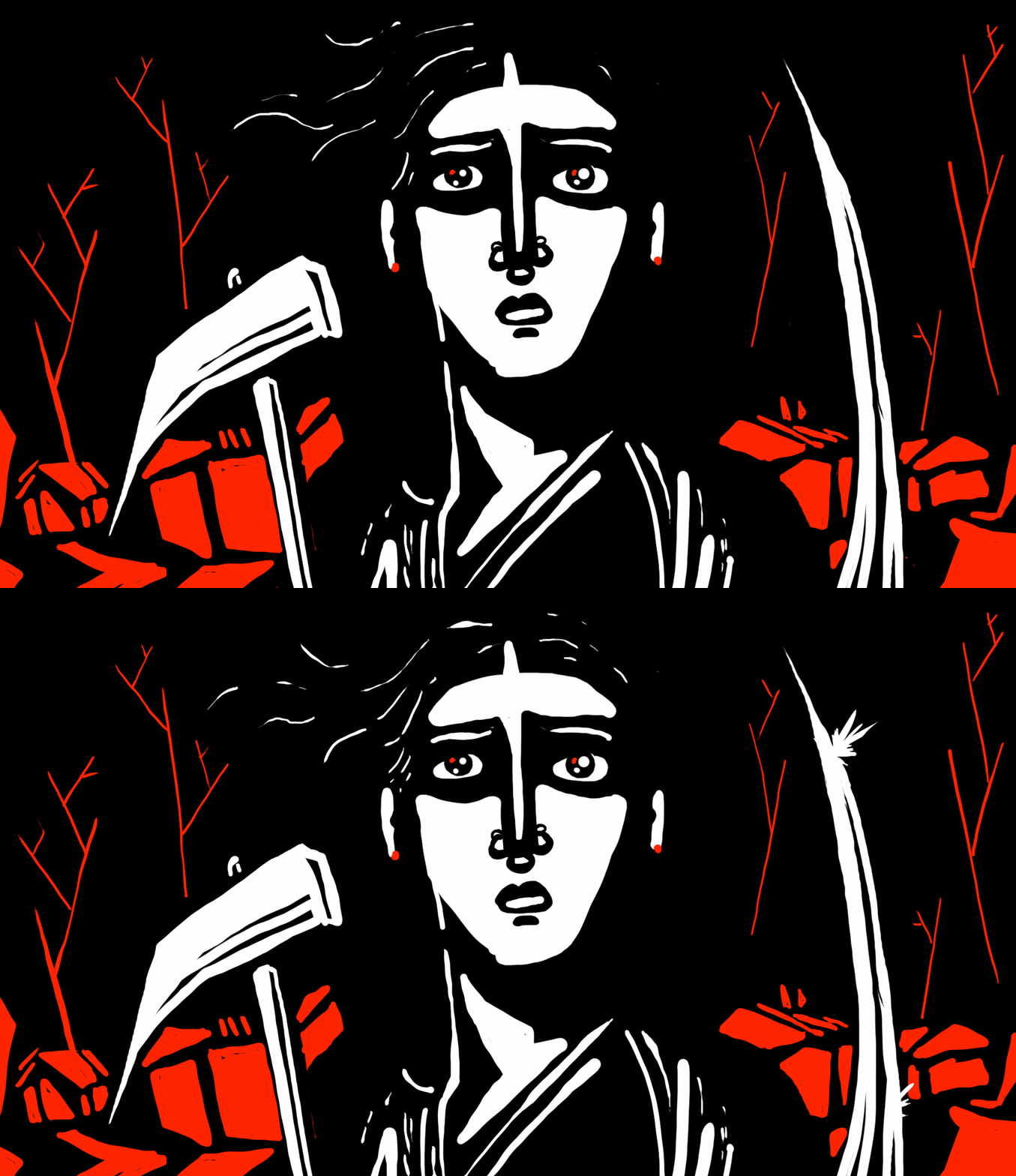 [/imgcenter]She was told!She was toldNot to wear a blouseTo allow every maleWatch her as a device.She was toldTo bend her back, not walk straightTo fill the tender tummies, keeping herself a bait.She was toldTo toil all day long in the fieldsAs a human machineDeprived of food and water.She was toldTo swallow the pain of not feeding her babyThough her lactating breasts pine to sate its hunger.She was toldTo take the insults, jeers, beatings and assaults,For being born a woman, in a cursed clan.She was toldTo take the daily thousand cutsOf sexist remarks, acts and assaultsOf her man and master.She was toldThat she is bad omen.A bloody sanitary pad, useful but a disgusting topic.The relentless sun beats oh herHer dreams, beauty and youthSacrificed in the service of the land, the hut, the master.Her eyes two dry hollows bear silent witnessTo hundreds of deaths of her mothers, daughters, sistersTheir dreams, respect and their bodies.Her calloused hands, her unkempt hairHer cracked heels, her wrinkled hairTell the tales of living through fears and yearsOf centuries and millennia of violations and deaths.She was toldThat she was dirt,She was filth andIn this sacred land of thousands of goddessesShe is called a Dalit.
Both, the original as well as the translation are by Aruna Gogulamanda
First Published:Aug 13, 2017, 12:21:42 IST
Advertisement
Advertisement

Off-centre | Vande Mataram: The mother that we adore
A meditation on the meaning of India as the country celebrates 77th independence Day
Of nature, culture and alcohol: A glimpse into Sikkim’s age-old brewing traditions
Most rural households across Sikkim have their own breweries, which are an integral part of the local culture.
Revisiting the Bollywood dream sequence: A tour of the world, and within
The Bollywood dream sequence helped stretch my imagination in a way that I believed the whole world was within me. This self-sufficiency helped me get through the physical setting I was in, from awkward social gatherings to the confines of my home during the pandemic.
Trams, part of Kolkata heritage, are little more than a nostalgia ride today
In recent years, hit by natural disasters and official neglect, the city’s tram system has become little more than a nostalgia ride, its passengers more often looking for a lark than an efficient trip home.
Online exhibition archives oral histories of the Kolis, degradation of Mumbai's coastal ecology
The online exhibition Through the Eyes of the Kolis uses their photos to highlights how Mumbai's ecology has been disturbed and how the fishermen community are adapting.
Advertisement
Advertisement