


7 foods with strong smells that are surprisingly loved around the world
Their aroma may be intense, but these beloved foods have won fans across continents. Here's why strong-smelling delicacies continue to stand the test of time

Some aromas might seem overwhelming at first, but they often tell the story of centuries-old culinary traditions, fermentation techniques, and flavours that millions of people cherish.
In fact, many of the world's most celebrated foods owe their distinctive aromas to natural ageing, fermentation, or unique ingredients. Scientists explain that smell is deeply connected to taste, meaning foods with bold aromas often deliver incredibly complex flavours once you take a bite.
Here are seven famous foods with strong smells that continue to be loved across the globe.
1. Durian (Southeast Asia)
Nicknamed the "King of Fruits," durian is perhaps the world's most famous strong-smelling food. Its aroma has been described as a mix of onions, garlic, caramel, and sulphur, so much so that it is banned on many forms of public transport and in some hotels across Southeast Asia.
 More from Lifestyle
Yet for millions of people in countries like Thailand, Malaysia, Indonesia, and Singapore, durian is a prized delicacy. Beneath its spiky shell lies a rich, custard-like flesh with a creamy texture and sweet, nutty flavour that loyal fans eagerly await every season.
2. Surströmming (Sweden)
Surströmming, or fermented Baltic herring, is often listed among the strongest-smelling foods in the world. The fish continues fermenting inside the can, creating an intense aroma when opened.
Despite its reputation, this Swedish delicacy has been enjoyed for centuries. Traditionally served with flatbread, boiled potatoes, chopped onions, and sour cream, its salty and tangy flavour is considered a taste of Swedish heritage rather than a culinary challenge.
3. Blue Cheese (Europe)
Blue cheese owes its distinctive smell to the edible mould cultures used during the ageing process. While its earthy aroma can be quite powerful, the same process gives it a creamy texture and complex flavour.
Popular varieties such as Roquefort, Gorgonzola, and Stilton are enjoyed around the world in salads, burgers, pasta dishes, and cheese boards, proving that a bold aroma can be part of a gourmet experience.
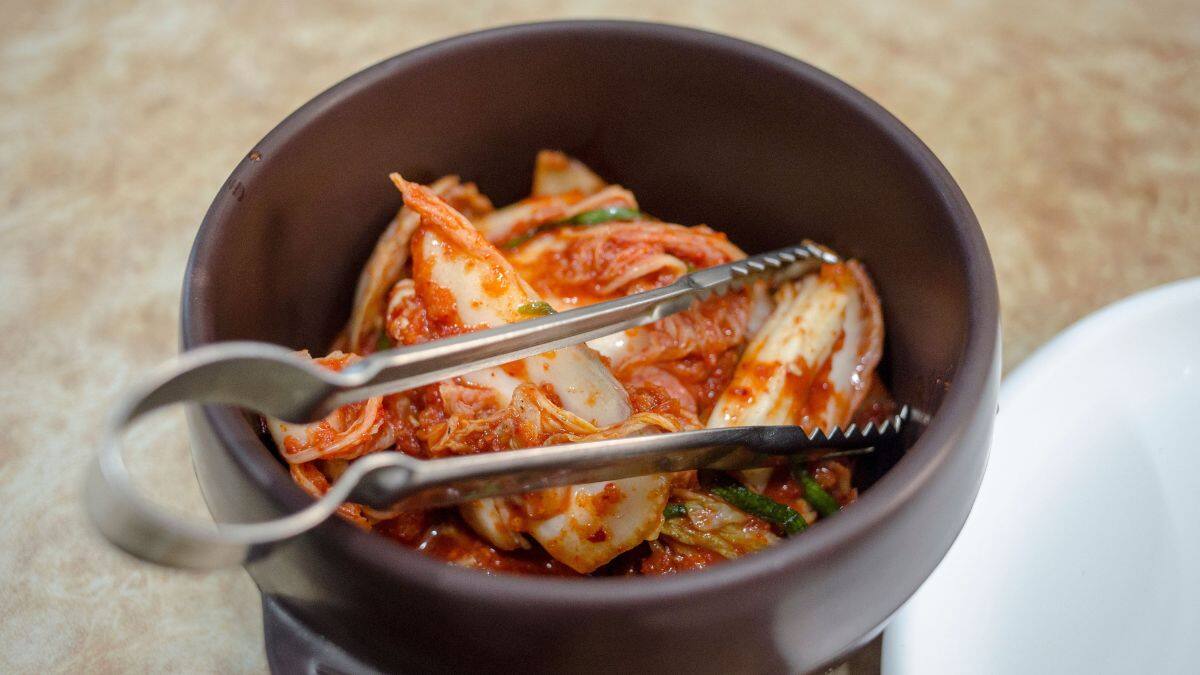
4. Kimchi (South Korea)
Kimchi is made by fermenting vegetables—most commonly napa cabbage—with garlic, ginger, chilli, and fish sauce. The fermentation creates a tangy, garlicky aroma that becomes stronger over time.
For Koreans, kimchi is far more than a side dish. It accompanies nearly every meal and is valued not only for its spicy, savoury taste but also for the beneficial bacteria produced during fermentation.
5. Natto (Japan)
Made from fermented soybeans, natto is instantly recognisable by its sticky texture, stringy consistency, and earthy smell. It is often one of the most surprising foods for first-time visitors to Japan.
However, natto has long been a breakfast staple in many Japanese households. Mixed with soy sauce and mustard, and served over steamed rice, it is appreciated for both its distinctive flavour and impressive nutritional value.
6. Stinky Tofu (Taiwan)
Despite its intimidating name, stinky tofu is one of Taiwan's most beloved street foods. The tofu is fermented in a special brine that gives it its signature pungent aroma before it is deep-fried, grilled, or steamed.
The smell may catch people off guard, but the inside remains soft and creamy, while the crispy exterior creates a delicious contrast that keeps locals and tourists coming back for more.
7. Hákarl (Iceland)
Hákarl is a traditional Icelandic dish made from Greenland shark that is cured and air-dried for several months. The preparation process produces a strong ammonia-like smell that has made it famous among adventurous food lovers.
For Icelanders, however, hákarl represents an important part of the country's culinary history. It is usually served in small cubes during festivals and celebrations, often accompanied by a traditional spirit.
Why do some foods develop such strong smells?
Many foods with powerful aromas undergo fermentation, ageing, curing, or mould-ripening. During these natural processes, microorganisms break down proteins, fats, and sugars into aromatic compounds such as sulphur compounds, organic acids, and esters. While these compounds create strong smells, they also contribute to the complex flavours that make these foods so distinctive.
Scientists also point out that our sense of smell is closely linked to taste. Once a food is eaten, its aroma combines with flavours in the mouth to create a richer sensory experience than smell alone might suggest.
A strong smell doesn't necessarily mean a food is unpleasant—it often reflects centuries of culinary tradition, careful preparation, and cultural appreciation.

Stroke is rising among young adults. Doctor explains why it's happening and what you must do
Trade the hustle for the Shire: Inside the "hobbitmaxxing" trend
Spices, health and the Indian plate: Why chilli can be good for you—but moderation is still key
The right way to break up without feeling groggy
How Spider-Man actor Tom Holland has been on a sobriety journey of 4.5 years after being "addicted to alcohol"