


Unnao and Kathua rape cases: Changes in substantial law meaningless until accompanied by changes in procedural law
The narrative of change in law, which is usually the main standpoint of protests in the wake of such incidents, is therefore self-defeating and mostly results in the number of false cases, with no effect on the deterrence of that particular crime

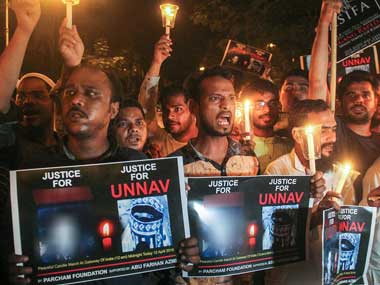
File image of a protest against the government's 'inaction' in the Kathua and Unnao rape incidents. PTI[/caption]Therefore, the substantial changes brought about in haste, as seen in the aftermath of the 2012 Delhi gangrape case, are not serving the purpose for which they were enacted.As has been established, societies suffer from over-criminalisation when there is an excessive reliance upon the changes in criminal judicial system. In India, this problem is very acute because a change in the substantial law is the perceived as the most viable solution for any rampant crime.It has to be stressed with authority, that such changes in substantial laws have no meaning, until and unless they are accompanied by peripheral changes in the procedural laws and changes with respect to the role of the judiciary. Also, such changes are not needed in the first place, if the existing rules are enforced diligently. India has long suffered this problem of many laws with little implementation.The narrative of change in law, which is usually the main standpoint of protests in the wake of such incidents, is therefore self-defeating and mostly results in the number of false cases, with no effect on the deterrence of that particular crime.Raghav Pandey is a senior fellow with the Department of Humanities and Social Sciences, IIT-Bombay. Ramanand is an alumnus of Tata Institute of Social Sciences.

Govt to set up fast-track courts for swift punishment in paper leak cases, says PM Modi amid CJP protests
Sikkim tunnel collapse rescue resumes, death toll rises to 22
Delhi Police asks personnel to wear uniform: What the law says on cops in plainclothes during protests
No premium queues, 30-minute target: What changes for Indian passport applicants in UAE
CJP Protest in Delhi Live Updates: PM Modi announces announces fast-track courts for NEET paper leak cases