


On Operation Blue Star's 35th anniversary, examining its historical precedents for Sikhs
As we approach the 35th anniversary of Operation Blue Star, the Indira Gandhi-ordered attack on the Sri Harmandir Sahib and the Akal Takhat (where Jarnail Singh Bhindranwale was headquartered), it is impossible not to place it on the context of Sikh history.

When Guru Nanak was returning from his Haj, he stopped in Sayyidpur, a small town in the Punjab, which falls in modern-day Pakistan and is called Eminabad today. He was there to visit with Lalo, one of his beloved disciples. Sayyidpur was reeling from a bloody attack by the army of the Uzbek adventurer Babar [or Babur], who would go on to establish the mighty Mughal Empire. The gentle prophet was roused to anger by the carnage and he addressed these famous words to Babar:Kings are hungry lions; their servants rabid dogsFoes of soothing restful sleep; the mindless servile cogsThe lackeys of the evil king; waving talon and clawThey prey on common gentlefolk; their tender flesh they gnawIn these words lay the seed of a principle that was to become fundamental to the faith that Guru Nanak founded. An unequivocal commitment to fighting oppression, no matter what the cost. This principle was strengthened by the blood of Guru Arjan, the fifth Sikh master, who refused to bow to the tyranny of the emperor Jahangir, and that of Guru Tegh Bahadur, the ninth, who sacrificed his head in the defense of religious freedom. The sixth Sikh master, Guru Hargobind, established the Akal Takhat as his seat of temporal power at the Sri Harmandir Sahib and from that day onwards, it became a powerful and visible symbol of Sikh sovereignty.Though this principle has been a source of intense pride for the Sikhs, it has also brought them much pain over the centuries. In the 18th century in particular, as the Mughal empire started to crumble, a power vacuum formed in the Punjab, that the Sikhs eagerly attempted to take advantage of. Great resistance was offered to the likes of Nawab Zakriya Khan and Mir Mannu, Mughal governors who relentlessly tried to break the back of the fledgling community that they saw as a threat. In 1740, Massah Rangarh, a deputy of Zakriya Khan, occupied and desecrated the Sri Harmandir Sahib in an attempt to crush the spirit of the Sikhs.[caption id="attachment_6772721" align="alignnone" width="825"]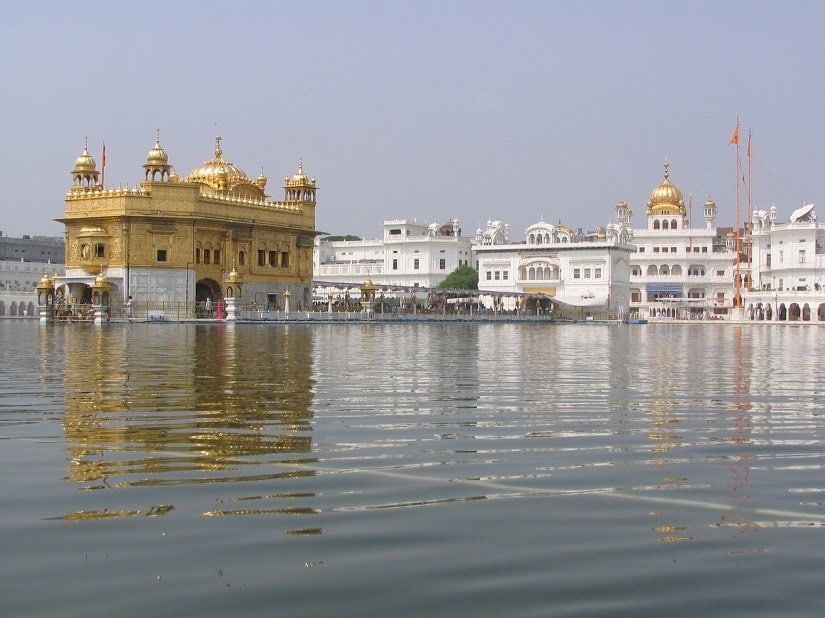 Golden Temple with Akal Takhat on the right. The sixth Sikh master, Guru Hargobind, established the Akal Takhat as his seat of temporal power at the Sri Harmandir Sahib and from that day onwards, it became a powerful and visible symbol of Sikh sovereignty. Image courtesy Amarpreet Singh via Wikimedia Commons.[/caption]When Ahmad Shah Abdali, the new king of Afghanistan who saw himself as the overlord of the Punjab, descended from the mountains to plunder, kill and take captives, the only resistance he faced came from bands of Sikhs who were living the principle that Guru Nanak had put forth two centuries earlier. Heavily outnumbered, the Sikhs would employ guerrilla tactics to harry the Afghans as they made their way back, relieving them of their booty and mounting daring raids to free their captives.Retribution was constant, swift and often cataclysmic. The Afghans would repeatedly attack and desecrate the Sri Harmandir Sahib and the Akal Takhat in an attempt to break the spirit of the Sikhs. The single biggest setback was the Great Holocaust of 1762, referred to as the ‘Vadda Ghallughara’ by the Sikhs, that resulted in the community being decimated. Perpetrated by Ahmad Shah Abdali to teach the Sikhs a lesson, it had the opposite effect, strengthening the resolve of the Sikhs even further.In 1764, the Afghans attacked again. A large force was bearing down on Amritsar and the Sikhs, fully aware that they would be unable to take the large force head on, were planning to retreat. Abandoning the Sri Harmandir Sahib once again to the advancing hordes was a bitter pill to swallow, but there really didn't seem to be a choice. The Sikhs were about to be taught a now familiar lesson once again.As we approach the 35th anniversary of Operation Blue Star, the Indira Gandhi-ordered attack on the Sri Harmandir Sahib and the Akal Takhat (where Jarnail Singh Bhindranwale was headquartered), it is impossible not to place it on the context of Sikh history. Of course, it would be disingenuous or worse to suggest that Mrs Gandhi was hell bent on eliminating the Sikhs. However, it would also be naive to ignore her highly cynical political imperative to teach the Sikhs a lesson.The complex politics of Punjab leading up to Operation Blue Star cannot be unraveled in this brief reflection, but a few things can be stated clearly. Fortunately they are borne out by reportage and analysis in mainstream Indian media in the 35 years that have elapsed since the attack. The Hindu right had Mrs Gandhi against the ropes for her handling of the ‘Punjab Problem’, characterising her as weak in the face of Sikh militancy. There was only one way for her to get her mojo back.As a student of history I see a startling similarity between Ahmad Shah Abdali’s thinking in 1764 and Indira Gandhi’s thinking in 1984.Rattan Singh Bhangu was a 19th century Sikh poet and historian who wrote the monumental Sri Guru Granth Prakash, a detailed history of the Sikhs, in verse. Interestingly he was descended from a Sikh hero named Mehtab Singh, who had retaliated against Massa Ranghar for the desecration of the Sri Harmandir Sahib.In episode 156 of his opus, Bhangu tells the rousing tale of Gurbaksh Singh, a Sikh warrior, who decided to resist the invaders as they approached the Sri Harmandar Sahib. I have attempted more or less to be faithful to Rattan Singh Bhangu’s narrative but this is not a word-by-word translation; I have instead attempted to capture the spirit of Rattan Singh Bahngu’s poetry.Chaupai (Quatrain):Young man of steel this warrior braveSteadfast and sober dressed in blueRises at dawn and drains his cupAnd girds up for the coming dayPrayers are said in early mornProud turban does his head adornTo shining steel he bows his headBefore it’s on his person borneA chain of steel around his neckShining bracelets upon his wristsQuoits of steel upon his headTogether his impervious shieldGloves of steel, a mighty clubBreeches that hang down to his kneesOn his breast a coat of mailResplendent is The Warrior braveDohra (couplet):A leader true, always out frontHis men forming his glorious trainWherever he would plant his flagHis men so steadfast would remainDohra (couplet):In forests and in place strangeThe fleeing Sikhs in misery dweltAnd pondering their pitiful stateTheir pain the mighty warrior feltChaupai (Quatrain):The Sikhs gathered for evening prayersIn the shade of the Timeless Tower coolTo leave the town was the sacred writSave Warriors by the sacred poolWas heard the mighty Warrior roarIs there today one single man?To valiantly pick up the swordIn the name of the ever glorious LordThe Sikhs then spoke in a single voiceNone here is worthier or more braveYou are the one, young warrior strongThe Lord will hear your rousing songDohra (couplet):Hearing this then The Warrior bowsHis hands in fervent prayer joinedWith folded hands and pendent headThe maiden Death agrees to wedChaupai (Quatrain):Meanwhile the Giljis gird their loinsAs they get word of the massing SinghsThey don their armor helmets and mailSikh warriors have none of these thingsTo their teeth are the mighty Giljis armedReady to lay the Singhs to wasteArrows pistols and muskets longReadied and primed with savage hasteThe Singhs are armed with fighting wordsSome have daggers, some double edged swordsMany have naught but rustic clubsAnd yet they press, eager to fightSome Singhs are mounted on their steedsJockey and twist to lead the chargeTo each other solemnly swearThat each will lead the pack by farChaupai (Quatrain):The war drum beats; standard is raisedWith music divine is the Master praisedThe minstrels sing sweet songs of blissTill the warriors too have had their fillThe Giljis march at break of dawnAnd bear down upon the eager SinghsSome steadfast sit on noble mountsFoot soldiers too; they hold their groundAnd where they stand they give their livesFor how could they stop such a mighty hordeAnd as they leave for their final abodeThe Singhs who live give battle fierceThe Singhs are by the Giljis ringedKill them! Kill them! Like wolves they bayLouder is heard the Warrior’s roarDig in! Show them the martyr’s wayDohra (couplet):Honor there is in pressing forthJust as in holding back is shameWhen hostile swords around you singIt’s time to prove a warrior’s worthChaupai (Quatrain):Hearing these words the warriors boundAnd lion-like on the Giljis pounceWhere else can such valor be foundThey care no more for life or limbPress on! Press on The Warrior roarsDrink your fill of the martyrs brewYour sylvan dreams of paradiseIn martyrdom you will realizeIf you wish to be an eternal kingThe maiden, Death, you must embraceReborn you shall be! As a mighty SinghOf your enemies there will be no traceSallied forth his most valiant menWe are best men! You are the groomWe will follow you to paradiseAnd with you we will gladly ruleDohra (couplet):For heaven we care not one whitOur bonds of brotherhood are enoughA noble death fighting we craveAs we send our foes to a fiery graveChaupai (Quatrain):And then The Warrior gravely saysA solemn oath I now do swearAs I set foot in the Guru’s courtTo pieces will I the Giljis tearMy fearless brothers, now you take heartYou will be Singhs again rebornAnd once again does The Warrior sayEmbrace your death! Your enemies flayThe Giljis are back with fearsome forceThe Singhs fight back their heels dug inIn their heads no thoughts of retreatAs slowly back Giljis they beatLike a lion’s roar The Warrior’s cryLet not today your purpose paleFor your faith you fight this noble fightDismount and with your swords prevailDohra (couplet):These words beyond the Giljis’ kenTheir muskets rain a hail of leadSteadfast men falling to the groundBeholds The Warrior all aroundChaupai (Quatrain):The Warrior swings his mighty swordA fearsome Gilji whistling smitesPierces his armor; rips his breastAnd many more soldiers he fightsAudaciously the Singhs advanceFor a moment mighty Giljis yieldWith practiced ease they lightly danceEach man sheltered behind his shieldContemptuous look on his noble faceHis shield, The Warrior tosses awayThe Giljis charge with flashing swordsUndaunted Singhs! They join the frayEyelids un-batted heads unbowedNo backward glance! Singhs charge aheadThe Giljis take to their heels cowedSo furious is their attackDohra (couplet):From a distance Gilji guns let looseAnd arrows whistle through the airSinghs spout blood from countless woundsTo shreds their flesh do Gilji’s tearChaupai (Quatrain):The bullets they pierce their flesh and boneThe Singhs fight on heedless of painTheir bodies spew a rush of bloodLike from an oil press flows a floodThe Warrior too profusely bleedsWater spurting from a ruptured pouchAs on and on as he marches forthLike fountains do the gashes spoutAs more and more of his life blood seepsHis weary body starts to rebelYet The Warrior thinks not of retreatThat shame to him is worse than HellTo the Lord he prays at this moment darkSave me O Lord! Save me from shameAccept my humble sacrificeHe begs as he chants his master’s NameDohra (couplet):The Gilji horde just swells and swellsFresh fighters now their ranks enhanceWith fury fall upon the SinghsAnd rend their foes with spear and lanceChaupai (Quatrain):The Warrior mighty swings his swordSlices through many a lanceThe Giljis dare not come too closeAway from flashing sword they pranceDohra (couplet):Not one Singh did that day retreatNor cast his eye towards the rearNo one shall ever dare to sayThat even one ran from the frayChaupai (Quatrain):Warrior assailed! So many spears!As the Giljis strive to make him yieldAnd though he’s fallen on his kneeThey cannot from his hand sword freeKundaliya Chhand:He grips his sword in bloody handBut his mind is now roiled by doubtIf I cast my sword on the sandWill they spare me a man unarmedIf I yield I’m sure I will liveBut all this blood will be for naughtThis glorious moment for sure will passThe time to sacrifice is nowThus The Warrior girds his loinsMakes up his mind to never bowMay my head from my trunk be cleavedHither! Sweet sword! No one bereavedChaupai (Quatrain):He picks up his sword; mightily roarsA challenge to the Gilji hordeHis neck is bare begs to be hackedJust like was Ninth Master attackedA Gilji bravo swings his bladeThe Warrior’s head is no more nighThe Lord is kind: a promise madeThe Singhs can hold their heads up highOf warriors past and martyrs’ spritesTheir joyous ranks The Warrior joinsInto their waiting arms he’s borneChariots divine with pennants flyingThey come for him on prancing steedsBejeweled saddles! There is a slewBeating war drums flying flagsIn dazzling robes of electric blueChaupai (Quatrain):Tired Giljis in slumber deepThe Singhs make off with many a steedAnd on their camp they fiercely sweepWrithing in the dust the Giljis bleedAt break of dawn the Giljis fleeMake haste to catch up with their kingIn the light of day the Singhs beholdBrethren in heaps their bodies coldAnd as the beaten foes retreatMore Singhs appear upon the sceneIt looks as if the earth has bledOr coloured red by the warriors deadThe Singhs come up with a common planWith honor they will treat every manBy the Timeless Tower a pyre is litBy dancing flames Singhs solemnly sitDohra (couplet):On the mighty fire are the martyrs laidFallen comrades gallant bandThe Singhs prepare a sacred feastReceived humbly by every handChaupai (Quatrain):Ashes to ashes dust to dustTheir bodies fallen heroes leaveTheir souls rise up to meet the LordAnd join the martyrs’ eternal hordeThe Singhs joyously chant in praiseBlessed are fathers, such sons who raiseTo the warriors is built a glorious shrineWishes are fulfilled every daySuch is the glory of this shrineMany a malady has it curedAnd so great is its power benignForgotten is all pain enduredI have read many accounts of the aftermath of Operation Blue Star. The images they conjure up are eerily similar to the ones that rise from Bhangu’s poetry.The similarity does not end there.Ahmad Shah Abdali's large force carried the day in 1764 as did Mrs Gandhi’s in 1984. Both ‘victories’ were spectacularly Pyrrhic.Note: The translations of the hymn by Guru Nanak as well as Rattan Singh Bhangu’s poetry are my own.Sarbpreet Singh is a poet, playwright, and commentator with a career in technology. He is the author of The Camel Merchant of Philadelphia (Tranquebar/Westland Publications).

Bharat Forge, Flying Whales sign pact to develop 60-tonne airships for India’s defence logistics
Air India to cut Delhi-Toronto flight time by 3 hours, resume non-stop services from August 1
J&K cop on Amarnath Yatra duty shot dead in Anantnag terror attack; TRF claims responsibility
Jaishankar meets Canada's Anita Anand, discusses bilateral cooperation and shared interests
Delhi, Bengaluru, Hyderabad... Neet paper leak protest spreads nationwide even as govt reaches out to CJP, Opposition