


Most RTI activists killed in Maharashtra since law came about; Gujarat, UP come second
Maharashtra, which was among the first states to come up with a law on right to information, has seen the highest number of attacks on RTI activists, ten years after the central law came into place.

Maharashtra, which was among the first states to come up with a law on right to information, has seen the highest number of attacks on RTI activists, ten years after the central law came into place. This has been revealed in data compiled by NGO Commonwealth Human Rights Initiative (CHRI).[caption id="attachment_2424178" align="alignleft" width="380"]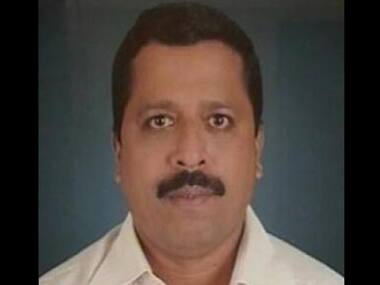 Satish Shetty. Image courtesy: ibnlive[/caption]The data, which has been compiled from news media reports over a decade, reveals that Maharashtra saw ten RTI activists being killed in as many years. Maharashtra also has the highest total number of such attacks, with 60 of attacks in the state.Gujarat and Uttar Pradesh have the next highest number of deaths of RTI activists, with six such instances in both states.There have been as many as 289 attacks on RTI activists in all, including instances of murder, assault, kidnapping and them receiving threat calls.In a report on attacks on RTI activists by CHRI, the organization mentions a wide variety of causes alleged to be behind the attacks, most notably including illegal mining, the construction industry and police inaction.Speaking to Firstpost, Venkatesh Nayak, the co-ordinator of the organization’s Access to Information programme, says, “One reason behind the large number of incidences of attacks on RTI activists in Maharashtra is that the highest number of RTI applications has been filed in the state. However, it is also a reflection of the poor security situation in the state. Ideally, the state should provide security to RTI activists against whom there is a threat perception.”Nayak also recalled the case of the murder of activist Satish Shetty and pointed out that in that case, the case had been closed, and had to be reopened after the Bombay High Court suo motu took up the case.The report by CHRI on the issue has suggested that the National Human Rights Commission should “tasked with taking action on complaints of attacks on RTI users and seeking reports from the concerned police.” It also suggests that the relevant information commission should also take cognizance of such attacks and ensure that the information sought is made public according to the rules.

'From make in India to launch from India': Skyroot COO on why Vikram-1 could change India’s space sector
Choke terror funding, keep international shipping lanes safe: Jaishankar at Asean Regional Forum
PM Modi announces fast-track courts for paper leak cases; CJP responds ‘Dharmendra Pradhan must go’
Sikkim tunnel collapse rescue resumes, death toll rises to 22
Delhi Police asks personnel to wear uniform: What the law says on cops in plainclothes during protests