


MHA says 'snooping order' based on UPA-era IT rules, no new powers conferred on any security agencies
The MHA has authorised 10 central agencies, including the IB, CBI, and ED to intercept, monitor, and decrypt "any information generated, transmitted, received or stored in any computer" for national security

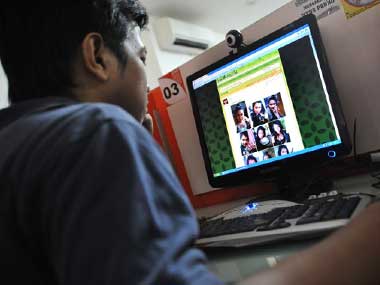
Representational image. AFP[/caption]According to official sources, the above notification will ensure that provisions of law relating to lawful interception or monitoring of computer resource are followed and if any, interception, monitoring or decryption is required for the purpose of national security, the same is done as per the due process of law and approval of competent authority, ie, the Union Home Secretary.The recent government order will also allow the government to prevent unauthorised use of these powers, better compliance of existing provisions of law and rules as well as take action against miscreants posting unlawful material on social media platforms, sources said.In recent times, several cases of posting of unlawful material have emerged on social media platforms to incite violence, crimes and even threats to senior functionaries, including Chief Justice of India.The order, issued by the MHA, however, attracted criticism from Opposition leaders as well as the right to privacy activists, who have termed the order "unconstitutional, undemocratic and an assault on fundamental rights".The Internet Freedom Foundation, which has been fighting to safeguard people's privacy, tweeted that "this order is unconstitutional and in breach of the telephone tapping guidelines, the Privacy Judgement and the Aadhaar judgment".
How the rules workWhile Section 69 of the IT Act 2000, provides that Central Government or a State Government or any of its officers can direct any agency to intercept or decrypt any information for the purpose of national security, the IT Rules 2009, which was introduced by the UPA government, define the procedure and safeguards for such interception. While the IT Rules 2009 says that ‘no person shall carry out the interception or decryption of any information except by an order issued by the competent authority’. This competent authority, the rule says, "may authorise an agency of the Government to intercept or decrypt information".So, while the UPA Government in 2009 made it compulsory that only authorised agencies can carry out surveillance, it did not give a list of the select authorised agencies. This left enough scope for unlawful and illegal surveillance."As per rule 22 of the IT (Procedure and Safeguards for Interception, Monitoring and Decryption of Information) Rules 2009, all such cases of interception or monitoring or decryption are to be placed before the review committee headed by Cabinet Secretary, which shall meet at least once in two months to review such cases. In the case of State governments, such cases are reviewed by a committee headed by the Chief Secretary concerned," the MHA added.With inputs from agencies
Govt to set up fast-track courts for swift punishment in paper leak cases, says PM Modi amid CJP protests
Sikkim tunnel collapse rescue resumes, death toll rises to 22
Delhi Police asks personnel to wear uniform: What the law says on cops in plainclothes during protests
No premium queues, 30-minute target: What changes for Indian passport applicants in UAE
CJP Protest in Delhi Live Updates: PM Modi announces announces fast-track courts for NEET paper leak cases