


Steep fall in India's COVID-19 case numbers since September leaves experts stumped
Simultaneously, scientists have identified several variants in India, including some that have been blamed for causing reinfection.

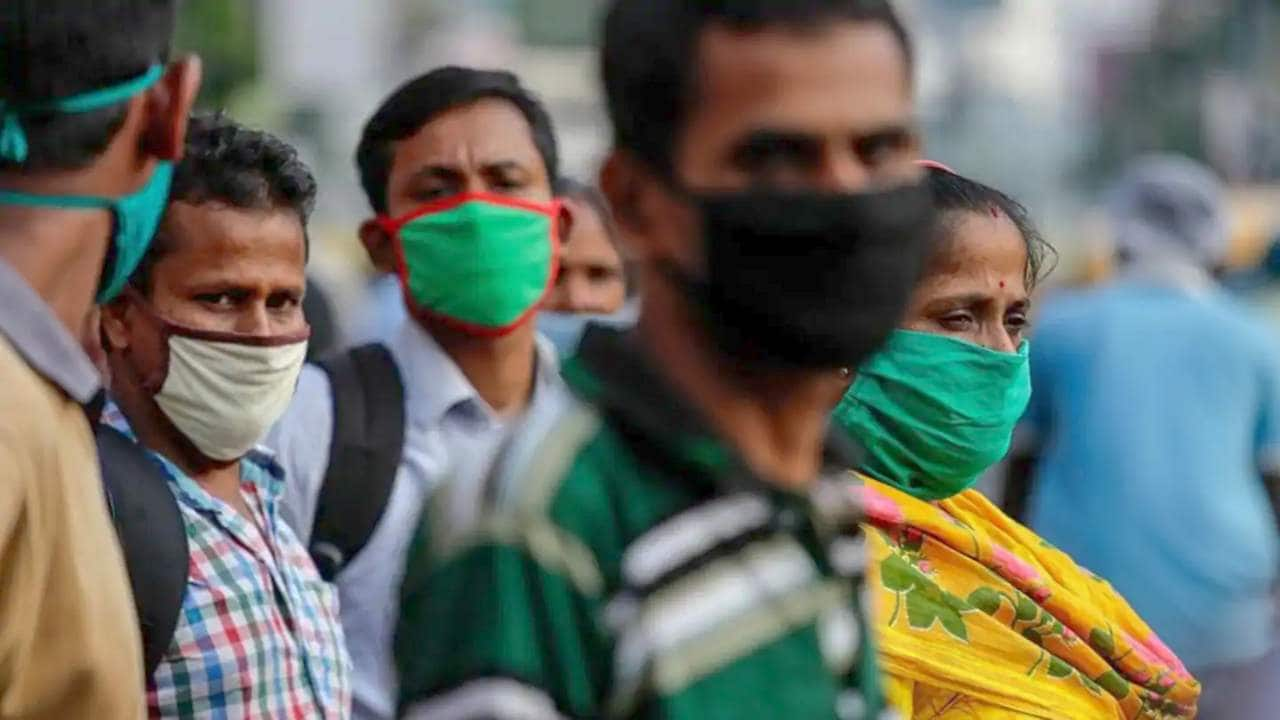
India has become the fastest nation to cross the 6 million vaccination mark. AP[/caption]This is especially true because new research suggests that people who got sick with one form of the virus may be able to get infected again with a new version. Bal, for instance, pointed to a recent survey in Manaus, Brazil, that estimated that over 75% of people there had antibodies for the virus in October — before cases surged again in January.“I don’t think anyone has the final answer,” she said.And, in India, the data is not as dramatic. A nationwide screening for antibodies by Indian health agencies estimated that about 270 million, or one in five Indians, had been infected by the virus before vaccinations started — that’s far below the rate of 70% or higher that experts say might be the threshold for the coronavirus, though even that is not certain.“The message is that a large proportion of the population remains vulnerable,” said Dr Balram Bhargava, who heads India’s premier medical research body, the Indian Council of Medical Research.But the survey offered other insight into why India’s infections might be falling. It showed that more people had been infected in India’s cities than in its villages, and that the virus was moving more slowly through the rural hinterland.“Rural areas have lesser crowd density, people work in open spaces more and homes are much more ventilated,” said Dr K Srinath Reddy, president of the Public Health Foundation of India.If some urban areas are moving closer to herd immunity — wherever that threshold lies — and are also limiting transmission through masks and physical distancing and thus are seeing falling cases, then maybe the low speed at which the virus is passing through rural India can help explain sinking numbers, suggested Reddy.Another possibility is that many Indians are exposed to a variety of diseases throughout their lives — cholera, typhoid and tuberculosis, for instance, are prevalent — and this exposure can prime the body to mount a stronger, initial immune response to a new virus.“If the COVID virus can be controlled in the nose and throat, before it reaches the lungs, it doesn’t become as serious. Innate immunity works at this level, by trying to reduce the viral infection and stop it from getting to the lungs,” said Jameel, of Ashoka University.Despite the good news in India, the rise of new variants has added another challenge to efforts here and around the globe to bring the pandemic under control. Scientists have identified several variants in India, including some that have been blamed for causing new infections in people who already had an earlier version of the virus. But they are still studying the public health implications.Experts are considering if variants may be driving a surge in cases in the the southern state of Kerala, which had previously been hailed as a blueprint for tackling the virus. Kerala now accounts for nearly half of India’s current COVID-19 cases. Government-funded research has suggested that a more contagious version of the virus could be at play, and efforts to sequence its genome are ongoing.With the reasons behind India’s success unclear, experts are concerned that people will let down their guard. Large parts of India have already returned to normal life. In many cities, markets are heaving, roads are crowded and restaurants nearly full.“With the reducing numbers, I feel that the worst of COVID is over,” said M. B. Ravikumar, an architect who was hospitalized last year and recovered. “And we can all breathe a sigh of relief.”

CJP protest in Delhi: New videos of stone pelting, violence emerge as police, agitators trade charges
'From make in India to launch from India': Skyroot COO on why Vikram-1 could change India’s space sector
Choke terror funding, keep international shipping lanes safe: Jaishankar at Asean Regional Forum
PM Modi announces fast-track courts for paper leak cases; CJP responds ‘Dharmendra Pradhan must go’
Sikkim tunnel collapse rescue resumes, death toll rises to 22