


India's 2018 monsoon rainfall below average and forecast: Fifth straight year weather office overestimated rains
Rainfall in India’s annual monsoon season was below average and less than forecast, with key crop-growing northern states among areas that received less rain than needed, weather office said on Sunday.

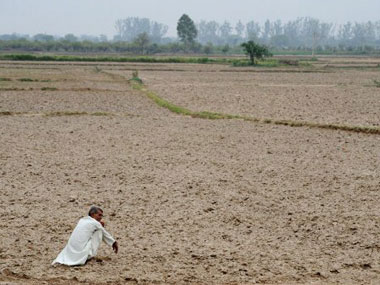
Nine states in India have received deficient rainfall this year. This image is for representational purpose. AFP[/caption]The Indian Meteorological Department (IMD) defines average, or normal, rainfall as between 96 percent and 104 percent of a 50-year average of 89 cm for the entire four-month season. The IMD adopted a so-called dynamic model, based on a US model tweaked for India, for the first time last year to improve the accuracy of its forecasts.The IMD had predicted that the June-September monsoon, crucial for a host of cash and food crops in India, will set to start receding from the northwest from Saturday onwards. The monsoon usually starts withdrawing in the first week of September, but this year it has been delayed by nearly four weeks, Reuters reported.Meanwhile, an extraordinarily dry spell in the month of September has meant an overall deficit of roughly nine percent in the Southwest Monsoon.The monsoon, which delivers 70 percent of India’s annual rainfall, is critical for 263 million farmers and their rice, sugarcane, corn, cotton and soybean crops because nearly half of the country’s farmland lacks irrigation. Nine states in India have received deficient rainfall this year, IMD reported.Despite low rainfall overall, the distribution was erratic, with some parts of the country experiencing extreme rainfall and flash floods that killed hundreds of people and damaged crops and property.India, in its annual economic survey for 2017/18, said that the proportion of extremely dry or wet weather conditions has increased steadily because of climate change, with rain-dependent areas suffering a 14.3 percent fall in agricultural revenue owing to “extreme rainfall shocks”.India’s rainfall was below average mostly because of a lack of precipitation in the rice and maize-growing states of Bihar and Jharkhand and in the cotton-growing state of Gujarat.Major farm-dependent states, such as the oilseed and pulses-growing central state of Madhya Pradesh and the northern, rice-growing state of Uttar Pradesh also received rainfall that was lower than the long-term average.The drop in rainfall could lift food prices and stoke inflation, which is expected to harden in coming months because of rising fuel prices.

Choke terror funding, keep international shipping lanes safe: Jaishankar at Asean Regional Forum
PM Modi announces fast-track courts for paper leak cases; CJP responds ‘Dharmendra Pradhan must go’
Sikkim tunnel collapse rescue resumes, death toll rises to 22
Delhi Police asks personnel to wear uniform: What the law says on cops in plainclothes during protests
No premium queues, 30-minute target: What changes for Indian passport applicants in UAE