
Advertisement


Sections
SC on Kashmir internet shutdown: Prohibitory orders under Section 144 can't be imposed to suppress legitimate expression of opinion
The Supreme Court bench ruled that the government should make public all the orders imposed in Kashmir.

The Supreme Court of India has ordered the government to restore internet access in Kashmir for all essential services. After going through several pleas, the apex court ruled that the right to internet access was protected under the constitution of India.[caption id="attachment_7762981" align="alignnone" width="1024"]![A woman checks her mobile phone inside the premises of the Supreme Court in New Delhi, India, September 28, 2018. REUTERS/Anushree Fadnavis - RC13B8E9E250]() A woman checks her mobile phone inside the premises of the Supreme Court in New Delhi, India, September 28, 2018. REUTERS/Anushree Fadnavis - RC13B8E9E250[/caption]After the abrogation of provisions under Article 370, the decision was challenged for the restrictions that were imposed in the region. The Jammu and Kashmir administration has been ordered to review all the restrictions within a week, including internet restrictions, and reveal the orders so that they can be challenged in a court of law.The petitioners to challenge the restrictive orders included Congress Rajya Sabha MP Ghulam Nabi Azad, the editor of The Kashmir Times Anuradha Bhasin and a few others, as reported by Live Law. According to the petition, the restrictions failed to satisfy the reasonableness and proportionality on the liberties of citizens that are protected under Article 19.The Kashmir Valley region has been under an internet shutdown for 159 days and counting, the longest ever shutdown in not only India but in a democratic country. On 5 August, the government suspended cellular and landline services including internet before Jammu and Kashmir lost its special status. Although roadblocks, landline and cellphone services have been restored, the internet is still under lockdown in the region.According to a report, the SC bench did not explore the political intent behind the prohibitory orders and it wanted to find a balance between the security and liberty of the people. The court said that it wanted to balance the human rights and freedoms of the people.Speaking on the court order to Tech2, technology lawyer Mishi Choudhary said, “Today the Supreme Court of India has finally put an end to the dubious practice of using Section 144 Criminal Procedure Code to shut the Internet down. This had become a norm in the past few years, regularly used by Police and State Governments that had made India the shutdown capital of the world with around 381, disruptions since 2012. Although the order grants no immediate relief to the people of Kashmir who have been without internet for the past 159 days but review under Telecom Suspension Rules has been ordered. Let's hope this is the end of this repressive practice unworthy of democracy with ambitions of a digital superpower.The Supreme Court of India like the Kerala High Court has recognised the right to freedom of speech and expression through the Internet to be part of Article19 (1) (a). This is what a Court that moves with times must hold and has done so. Internet generation will not be governed by arbitrary internet shutdowns. Although no immediate relief has been granted on the ongoing shutdown in Kashmir, putting an end to the usage of Section 144 criminal procedure code was a much-needed ruling. Hopefully, from now on authorities will follow their own rules and not circumvent procedures to curb legitimate expression.”Tech2 also got in touch with Asheeta Regidi who's a lawyer specialising in tech laws. On being asked about the SC's order, she said, "In effect, the order means that the rampant issuance of internet shutdown orders will have to come to an end, and orders passed will need to meet a certain standard. The order brings in a certain amount of accountability and transparency, by (i) requiring shutdown orders to be reasoned, indicating an application of mind, and (ii) being in writing and publicly disclosed, allowing judicial review of the same. The order further states that the shutdown of the internet under Section 144 can only be used within the ambit of this law, i.e., to deal with a present danger or an emergency. Its use to suppress the right to freedom of speech or profession will not be permitted."The order does not direct that internet services be restored but instead, it directs that all internet shutdown orders be reviewed so that they meet the test of proportionality, according to Regidi. She explained, "An important point here is that the order directs that internet shutdown orders can no longer be indefinite. The Suspension Rules have been directed to be reviewed to prescribe a time limitation on the period of a shutdown and to prescribe when periodic reviews of shutdown order are to take place. Until such time, the SC has directed that internet shutdown orders be reviewed every 7 working days from the date of the last issue." We also asked Regidi whether the order affects regular citizens. She said that it will have to be seen in practice, but the requirement of greater accountability and transparency in internet shutdown orders, combined with the limit on the time for which such an order can be issued bodes well for the people in Kashmir. "The requirement to review the Suspension Rules is also a good sign, but the actual time limits and review periods prescribed will have to be seen. The Interception Rules, for instance, prescribe a time period of 60 days which can be extended to up to 180 days," she added.Finally, Regidi talked about the type of services that are permissible in the case during internet shutdowns. She said, "The subject of a selective shutdown of websites was discussed during the case (restriction of social media websites only as a restrictive shutdown instead of a complete shutdown). On this, the Court did not give specific directions on account of all orders not being placed before it. It did suggest that the government examine the possibility of a restrictive shutdown of social media sites only. It has however directed that even during an internet shutdown, the government consider allowing access to government websites, e-banking services, hospitalisation services and other essential services until the internet is restored."Following the abrogation of Article 370, the government had justified restrictions in the region as a preventive measure on 21 November. The government stated that the restrictions were necessary for national security reasons and to cut off coordination between militants and separatist organisations in the region.
A woman checks her mobile phone inside the premises of the Supreme Court in New Delhi, India, September 28, 2018. REUTERS/Anushree Fadnavis - RC13B8E9E250[/caption]After the abrogation of provisions under Article 370, the decision was challenged for the restrictions that were imposed in the region. The Jammu and Kashmir administration has been ordered to review all the restrictions within a week, including internet restrictions, and reveal the orders so that they can be challenged in a court of law.The petitioners to challenge the restrictive orders included Congress Rajya Sabha MP Ghulam Nabi Azad, the editor of The Kashmir Times Anuradha Bhasin and a few others, as reported by Live Law. According to the petition, the restrictions failed to satisfy the reasonableness and proportionality on the liberties of citizens that are protected under Article 19.The Kashmir Valley region has been under an internet shutdown for 159 days and counting, the longest ever shutdown in not only India but in a democratic country. On 5 August, the government suspended cellular and landline services including internet before Jammu and Kashmir lost its special status. Although roadblocks, landline and cellphone services have been restored, the internet is still under lockdown in the region.According to a report, the SC bench did not explore the political intent behind the prohibitory orders and it wanted to find a balance between the security and liberty of the people. The court said that it wanted to balance the human rights and freedoms of the people.Speaking on the court order to Tech2, technology lawyer Mishi Choudhary said, “Today the Supreme Court of India has finally put an end to the dubious practice of using Section 144 Criminal Procedure Code to shut the Internet down. This had become a norm in the past few years, regularly used by Police and State Governments that had made India the shutdown capital of the world with around 381, disruptions since 2012. Although the order grants no immediate relief to the people of Kashmir who have been without internet for the past 159 days but review under Telecom Suspension Rules has been ordered. Let's hope this is the end of this repressive practice unworthy of democracy with ambitions of a digital superpower.The Supreme Court of India like the Kerala High Court has recognised the right to freedom of speech and expression through the Internet to be part of Article19 (1) (a). This is what a Court that moves with times must hold and has done so. Internet generation will not be governed by arbitrary internet shutdowns. Although no immediate relief has been granted on the ongoing shutdown in Kashmir, putting an end to the usage of Section 144 criminal procedure code was a much-needed ruling. Hopefully, from now on authorities will follow their own rules and not circumvent procedures to curb legitimate expression.”Tech2 also got in touch with Asheeta Regidi who's a lawyer specialising in tech laws. On being asked about the SC's order, she said, "In effect, the order means that the rampant issuance of internet shutdown orders will have to come to an end, and orders passed will need to meet a certain standard. The order brings in a certain amount of accountability and transparency, by (i) requiring shutdown orders to be reasoned, indicating an application of mind, and (ii) being in writing and publicly disclosed, allowing judicial review of the same. The order further states that the shutdown of the internet under Section 144 can only be used within the ambit of this law, i.e., to deal with a present danger or an emergency. Its use to suppress the right to freedom of speech or profession will not be permitted."The order does not direct that internet services be restored but instead, it directs that all internet shutdown orders be reviewed so that they meet the test of proportionality, according to Regidi. She explained, "An important point here is that the order directs that internet shutdown orders can no longer be indefinite. The Suspension Rules have been directed to be reviewed to prescribe a time limitation on the period of a shutdown and to prescribe when periodic reviews of shutdown order are to take place. Until such time, the SC has directed that internet shutdown orders be reviewed every 7 working days from the date of the last issue." We also asked Regidi whether the order affects regular citizens. She said that it will have to be seen in practice, but the requirement of greater accountability and transparency in internet shutdown orders, combined with the limit on the time for which such an order can be issued bodes well for the people in Kashmir. "The requirement to review the Suspension Rules is also a good sign, but the actual time limits and review periods prescribed will have to be seen. The Interception Rules, for instance, prescribe a time period of 60 days which can be extended to up to 180 days," she added.Finally, Regidi talked about the type of services that are permissible in the case during internet shutdowns. She said, "The subject of a selective shutdown of websites was discussed during the case (restriction of social media websites only as a restrictive shutdown instead of a complete shutdown). On this, the Court did not give specific directions on account of all orders not being placed before it. It did suggest that the government examine the possibility of a restrictive shutdown of social media sites only. It has however directed that even during an internet shutdown, the government consider allowing access to government websites, e-banking services, hospitalisation services and other essential services until the internet is restored."Following the abrogation of Article 370, the government had justified restrictions in the region as a preventive measure on 21 November. The government stated that the restrictions were necessary for national security reasons and to cut off coordination between militants and separatist organisations in the region.
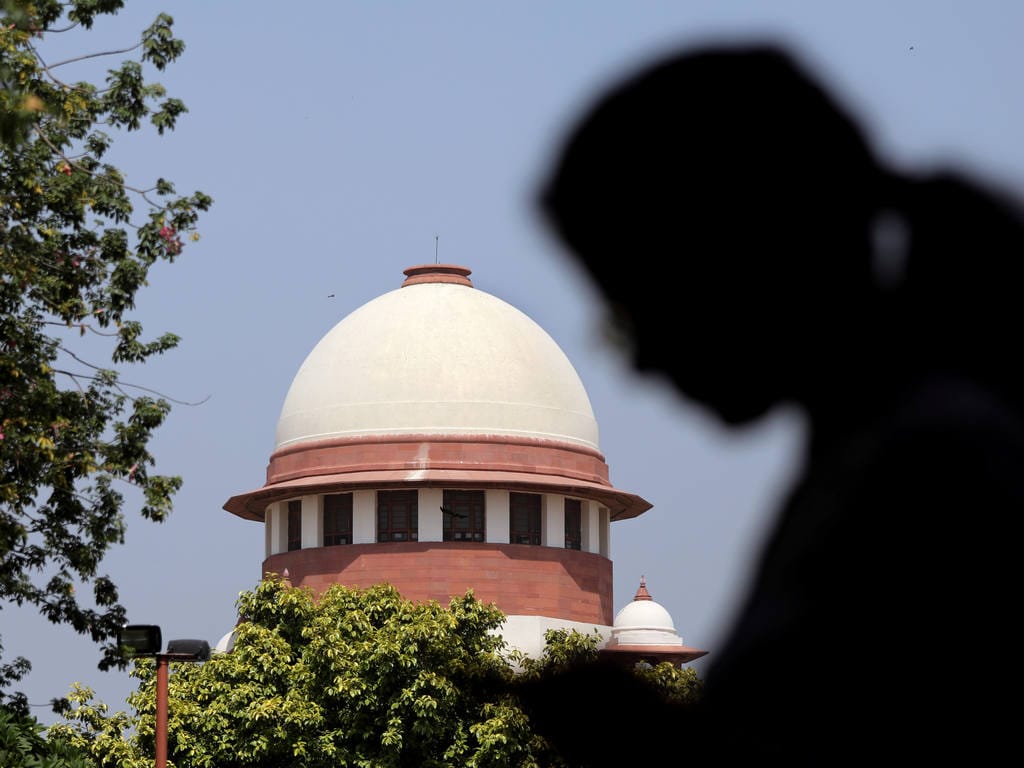 A woman checks her mobile phone inside the premises of the Supreme Court in New Delhi, India, September 28, 2018. REUTERS/Anushree Fadnavis - RC13B8E9E250[/caption]After the abrogation of provisions under Article 370, the decision was challenged for the restrictions that were imposed in the region. The Jammu and Kashmir administration has been ordered to review all the restrictions within a week, including internet restrictions, and reveal the orders so that they can be challenged in a court of law.The petitioners to challenge the restrictive orders included Congress Rajya Sabha MP Ghulam Nabi Azad, the editor of The Kashmir Times Anuradha Bhasin and a few others, as reported by Live Law. According to the petition, the restrictions failed to satisfy the reasonableness and proportionality on the liberties of citizens that are protected under Article 19.The Kashmir Valley region has been under an internet shutdown for 159 days and counting, the longest ever shutdown in not only India but in a democratic country. On 5 August, the government suspended cellular and landline services including internet before Jammu and Kashmir lost its special status. Although roadblocks, landline and cellphone services have been restored, the internet is still under lockdown in the region.According to a report, the SC bench did not explore the political intent behind the prohibitory orders and it wanted to find a balance between the security and liberty of the people. The court said that it wanted to balance the human rights and freedoms of the people.Speaking on the court order to Tech2, technology lawyer Mishi Choudhary said, “Today the Supreme Court of India has finally put an end to the dubious practice of using Section 144 Criminal Procedure Code to shut the Internet down. This had become a norm in the past few years, regularly used by Police and State Governments that had made India the shutdown capital of the world with around 381, disruptions since 2012. Although the order grants no immediate relief to the people of Kashmir who have been without internet for the past 159 days but review under Telecom Suspension Rules has been ordered. Let's hope this is the end of this repressive practice unworthy of democracy with ambitions of a digital superpower.The Supreme Court of India like the Kerala High Court has recognised the right to freedom of speech and expression through the Internet to be part of Article19 (1) (a). This is what a Court that moves with times must hold and has done so. Internet generation will not be governed by arbitrary internet shutdowns. Although no immediate relief has been granted on the ongoing shutdown in Kashmir, putting an end to the usage of Section 144 criminal procedure code was a much-needed ruling. Hopefully, from now on authorities will follow their own rules and not circumvent procedures to curb legitimate expression.”Tech2 also got in touch with Asheeta Regidi who's a lawyer specialising in tech laws. On being asked about the SC's order, she said, "In effect, the order means that the rampant issuance of internet shutdown orders will have to come to an end, and orders passed will need to meet a certain standard. The order brings in a certain amount of accountability and transparency, by (i) requiring shutdown orders to be reasoned, indicating an application of mind, and (ii) being in writing and publicly disclosed, allowing judicial review of the same. The order further states that the shutdown of the internet under Section 144 can only be used within the ambit of this law, i.e., to deal with a present danger or an emergency. Its use to suppress the right to freedom of speech or profession will not be permitted."The order does not direct that internet services be restored but instead, it directs that all internet shutdown orders be reviewed so that they meet the test of proportionality, according to Regidi. She explained, "An important point here is that the order directs that internet shutdown orders can no longer be indefinite. The Suspension Rules have been directed to be reviewed to prescribe a time limitation on the period of a shutdown and to prescribe when periodic reviews of shutdown order are to take place. Until such time, the SC has directed that internet shutdown orders be reviewed every 7 working days from the date of the last issue." We also asked Regidi whether the order affects regular citizens. She said that it will have to be seen in practice, but the requirement of greater accountability and transparency in internet shutdown orders, combined with the limit on the time for which such an order can be issued bodes well for the people in Kashmir. "The requirement to review the Suspension Rules is also a good sign, but the actual time limits and review periods prescribed will have to be seen. The Interception Rules, for instance, prescribe a time period of 60 days which can be extended to up to 180 days," she added.Finally, Regidi talked about the type of services that are permissible in the case during internet shutdowns. She said, "The subject of a selective shutdown of websites was discussed during the case (restriction of social media websites only as a restrictive shutdown instead of a complete shutdown). On this, the Court did not give specific directions on account of all orders not being placed before it. It did suggest that the government examine the possibility of a restrictive shutdown of social media sites only. It has however directed that even during an internet shutdown, the government consider allowing access to government websites, e-banking services, hospitalisation services and other essential services until the internet is restored."Following the abrogation of Article 370, the government had justified restrictions in the region as a preventive measure on 21 November. The government stated that the restrictions were necessary for national security reasons and to cut off coordination between militants and separatist organisations in the region.
First Published:Jan 11, 2020, 13:00:53 IST
Advertisement
Advertisement

China has dominated Myanmar’s rare earth mines — now India eyes deal to harness country’s critical minerals
India is deepening rare earth cooperation with Myanmar as New Delhi seeks alternative sources of critical minerals dominated by China, including dysprosium and terbium used in EVs, defence systems and clean energy technologies
6 min read
CJP protest in Delhi: New videos of stone pelting, violence emerge as police, agitators trade charges
Fresh videos of violence that broke out during the Cockroach Janta Party's (CJP) protest in Delhi have surfaced, with the police releasing footage showing alleged stone pelting, vandalism and attacks on security personnel
3 min read
'From make in India to launch from India': Skyroot COO on why Vikram-1 could change India’s space sector
Skyroot Aerospace’s successful Vikram-1 mission marks a major milestone for India’s private space sector, as the country seeks to shift from “Make in India” to “Launch from India” and compete in the global commercial satellite launch market
8 min read
Choke terror funding, keep international shipping lanes safe: Jaishankar at Asean Regional Forum
Jaishankar's remarks came against the backdrop of recent terror attacks targeting India and growing threats to commercial shipping amid conflicts in West Asia and Europe
2 min read
PM Modi announces fast-track courts for paper leak cases; CJP responds ‘Dharmendra Pradhan must go’
Amid protests demanding accountability for the leak of medical entrance test Neet and other irregularities in the education system, Prime Minister Narendra Modi has announced that the government has decided to set up fast-track courts to ensure swift and stringent punishment for those involved in paper leaks.
3 min read
Advertisement
Advertisement