


Govt to train dogs to help CRPF fight Naxals
In order to save troops from IED injuries and provide them early warning against any ambush during anti-Naxal operations, the government is raising an elite 100 canine squad called "commandogs" to accompany the men in boots during raids and patrols.

New Delhi: In order to save troops from IED injuries and provide them early warning against any ambush during anti-Naxal operations, the government is raising an elite 100 canine squad called "commandogs" to accompany the men in boots during raids and patrols.According to the latest blueprint prepared by the Union Home Ministry in consultation with paramilitary forces like ITBP and CRPF, foot patrols in Maoist violence-affected areas will now be essentially aided by infantry dogs as these forces have shunned the use of mine protected vehicles after they failed to give them protection from landmines.The Indo-Tibetan Border Police, which pioneered in this domain by inducting Belgian shepherd dogs 'Malinois' for the first time in India in 2011, has been tasked with the training of these special breed of canines which are used by military units world over to track and raid on the enemy.[caption id="attachment_1722859" align="alignleft" width="380"]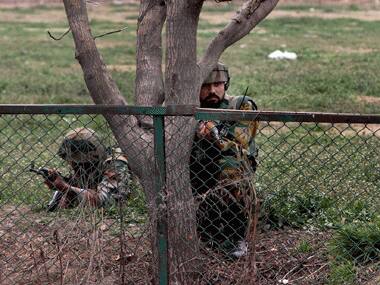 Representational image. Agencies.[/caption]The latest anti-Naxal operations blueprint, accessed by PTI, envisages deployment of over 100 such canines for all the central forces deployed for these duties led by the largest Central Reserve Police Force (CRPF). "These canines are being called 'commandogs' as they are equivalent to human commandos. They are being trained for the rigours of their task in the special dog training institutes of ITBP in Chandigarh and CRPF's in Taralu near Bangalore," a senior officer deployed in the Anti-Naxal Operations (ANO) grid said.The plan, the officer said, is to deploy at least one such dog with each battalion of ITBP, CRPF, BSF and SSB across these states and subsequently increase these numbers to four per unit because multiple units of each battalion are out on task at one point of time.At present, there are close to 120 battalions of central paramilitary forces deployed for anti-Maoist operations in the nine Naxal violence affected states of the country. Special arrangements are being made for these dogs and their handlers to live in the battalion camps in these areas.The 'Malinois', a litter of an Israeli male Malinois crossed with an American bitch, shot to international fame when it was reported that it assisted the elite US Navy SEALs in sniffing out Osama bin Laden from his safe haven in Pakistan.The coarser looking Belgian shepherd is preferred for military operations, sniffing out Improvised Explosive Devices (IEDs) and detecting ambushes as it has a bigger head and heavier snout and is therefore not popular as a domestic pet. These dogs, the officer said, have begun accompanying patrols in the Naxal-affected areas so that they are not caught off-guard and suffer casualties mainly on account of IED blasts."There are not much solutions available to check IEDs in these areas. The mine protected vehicles have been totally disowned by forces like CRPF and others. The results have been encouraging when patrols took these dogs along with them. They saved causalities on their side and also detected a number of these local bombs hidden cleverly inside the earth to target the forces," the officer said.These dogs have been trained in explosives detection and this will help in sniffing out IEDs which have in the past been found buried beneath 'pukka' (tarred) roads.PTI

China has dominated Myanmar’s rare earth mines — now India eyes deal to harness country’s critical minerals
CJP protest in Delhi: New videos of stone pelting, violence emerge as police, agitators trade charges
'From make in India to launch from India': Skyroot COO on why Vikram-1 could change India’s space sector
Choke terror funding, keep international shipping lanes safe: Jaishankar at Asean Regional Forum
PM Modi announces fast-track courts for paper leak cases; CJP responds ‘Dharmendra Pradhan must go’