


Firstpost special report: How child labour has come to define crimes against children
In such cases, it is difficult to monitor working hours and the effect that such work on the child’s education.

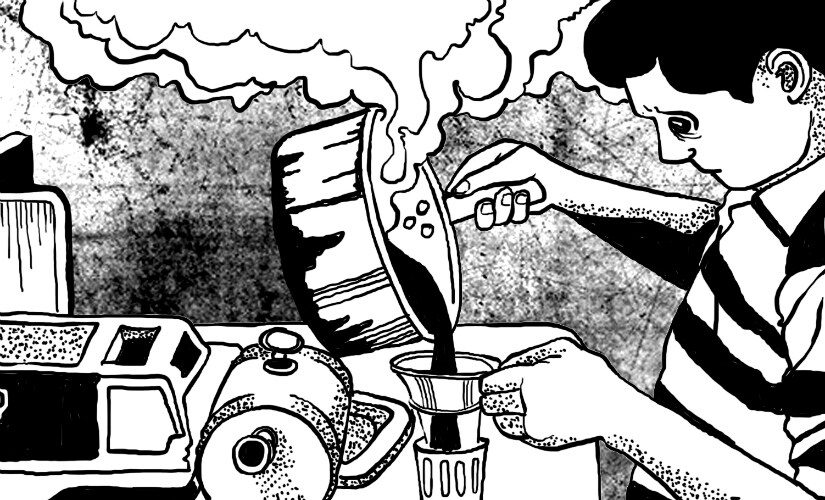
Illustration by Satwik Gade for Firstpost.[/caption]P*, who presently lives in a children’s home run by Prayas JAC Society, is a case on how children can be particularly vulnerable. The 10-year boy is from Bihar, and comes from an extremely backward caste. In an extreme case of exploitation, although the boy worked for three years in all, his father got merely Rs 10,000 in exchange for this work. P worked in particularly dangerous conditions — in a bangle-making factory in Delhi. However, the alternative for him is not a promising one either — his father works as a farmer with a very meagre income, and the family had consented to him going to Delhi for work.Indeed, a large number of cases of child labour in Delhi are characterised by dangerous work conditions or work hours that are not practically possible to monitor. For example, bangle-making is extremely risky work. As noted by a Unicef report, it involves joining the ends of a bangle over a kerosene flame, using fast-moving blades and using chemicals for decoration. Some cases of child labour involve kids working as full-time domestic helpers at homes along with their families.In such cases, it is difficult to monitor working hours and the effect that such work on the child’s education.Read the rest of the story here. *Names changed

'From make in India to launch from India': Skyroot COO on why Vikram-1 could change India’s space sector
Choke terror funding, keep international shipping lanes safe: Jaishankar at Asean Regional Forum
PM Modi announces fast-track courts for paper leak cases; CJP responds ‘Dharmendra Pradhan must go’
Sikkim tunnel collapse rescue resumes, death toll rises to 22
Delhi Police asks personnel to wear uniform: What the law says on cops in plainclothes during protests