


Fat residue found in Harappan civilisation cooking pots show that they consumed meat
Scientists believe the findings highlight the resilience of rural settlements in northwest India during the transformation of the Indus Civilisation and during a period of increasing aridity.

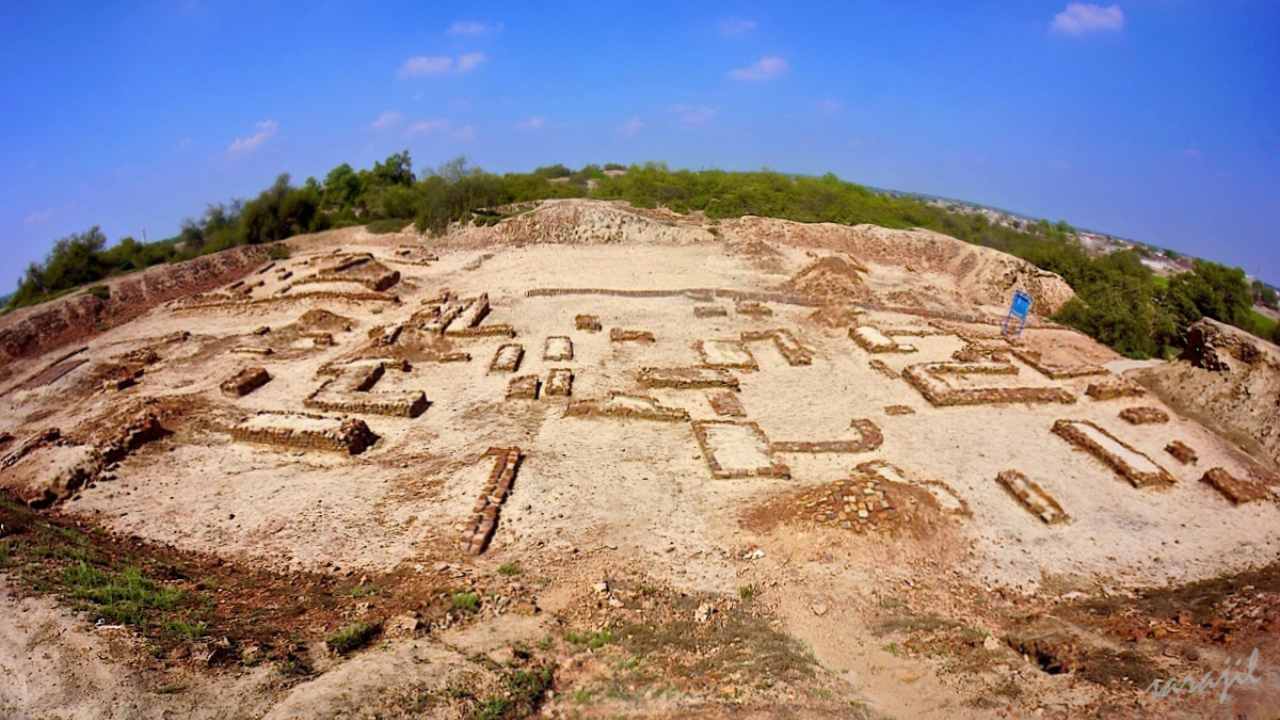
Ruins of the Harappan civilisation. Image credit: Wikipedia/Sara jilani[/caption]"It is possible that plant products or mixtures of plant and animal products were also used in vessels, creating ambiguous results," she added.Despite the high percentages of the remains of domestic ruminant animals found at these sites, the archaeologists said there is very limited direct evidence of the use of dairy products in the vessels."The products used in vessels across rural and urban Indus sites in northwest India are similar during the Mature Harappan period (c.2600/2500-1900 BC)," said Cameron Petrie, senior author of the study from the University of Cambridge."This suggests that even though urban and rural settlements were distinctive and people living in them used different types of material culture and pottery, they may have shared cooking practices and ways of preparing foodstuffs," Petrie said.The scientists believe the findings highlight the resilience of rural settlements in northwest India during the transformation of the Indus Civilisation, and during a period of increasing aridity."There is also evidence that rural settlements in northwest India exhibited a continuity in the ways they cooked or prepared foodstuff from the urban (Mature Harappan) to post-urban (Late Harappan) periods," Petrie said.He said this was particularly during a phase of climatic instability after 2100 BC, suggesting that daily practices continued at small rural sites over cultural and climatic changes."These results demonstrate that the use of lipid residues, combined with other techniques in bioarchaeology, have the potential to open exciting new avenues for understanding the relationship between the environment, foodstuffs, material culture, and ancient society in protohistoric South Asia," Suryanarayan concluded.

'From make in India to launch from India': Skyroot COO on why Vikram-1 could change India’s space sector
Choke terror funding, keep international shipping lanes safe: Jaishankar at Asean Regional Forum
PM Modi announces fast-track courts for paper leak cases; CJP responds ‘Dharmendra Pradhan must go’
Sikkim tunnel collapse rescue resumes, death toll rises to 22
Delhi Police asks personnel to wear uniform: What the law says on cops in plainclothes during protests