
Advertisement


Sections
DNA Technology Bill passed in Lok Sabha lacks clarity on consent, privacy and proper cost-benefit analysis
All said and done, some important safeguards and cost-benefit analysis are still lacking in the DNA Bill.

It was in July 2018 when the Union Cabinet, chaired by Prime Minister Narendra Modi, approved the DNA Technology (Use and Application) Regulation Bill, 2018.But it was on Tuesday that the landmark decision was successfully passed in the Lok Sabha — a big step towards the regulation and use of Deoxyribonucleic Acid (DNA) technology in identifying missing persons, victims, offenders, people under trial and unknown or deceased people in the country.The Bill will also expand the use of DNA-based forensic technologies to support and strengthen the system of delivering justice in India. Indeed, the passing of this Bill is a huge success for the country as it will allow the so-called “digital era” or technology-enabled era to flourish further.[caption id="attachment_5863871" align="alignleft" width="380"]![Representational image. Agencies]() Representational image. Agencies[/caption]Using technology to pinpoint the identity of people in matters of crime, parentage disputes, emigration or immigration and organ transplant will add considerable speed to the case at hand.In India, regulation is missing at all levels, across all sectors. By providing for a mandatory accreditation and regulation of DNA laboratories, the Bill seeks to ensure that the expanded use of this technology in the country grows alongside assurances of reliable DNA test results. Furthermore, the data from these tests — to be stored in DNA data banks — remains protected from misuse or abuse as far as the privacy rights of Indian citizens are concerned.The consent and privacy clauses in the bill are yet to be elaborated upon. Important things that the Bill's hasn't clearly stated includes conditions under which consent would and wouldn’t be required
Representational image. Agencies[/caption]Using technology to pinpoint the identity of people in matters of crime, parentage disputes, emigration or immigration and organ transplant will add considerable speed to the case at hand.In India, regulation is missing at all levels, across all sectors. By providing for a mandatory accreditation and regulation of DNA laboratories, the Bill seeks to ensure that the expanded use of this technology in the country grows alongside assurances of reliable DNA test results. Furthermore, the data from these tests — to be stored in DNA data banks — remains protected from misuse or abuse as far as the privacy rights of Indian citizens are concerned.The consent and privacy clauses in the bill are yet to be elaborated upon. Important things that the Bill's hasn't clearly stated includes conditions under which consent would and wouldn’t be required![Winter session of parliament. PTI]() Winter session of Parliament. PTI[/caption]The Bill lists national and regional DNA data banks that will be established and the collected data maintained in indices, including crime scene index, suspects’ or undertrials’ index and offenders’ index. It is yet to define if this will be a powerful, insufficiently transparent, or accountable body overseeing the process.There is a need to set up an independent ethics board to monitor key processes of the data banks and ensure that they are not been misused by investigative agencies while the DNA samples are being collected.Creating large databases is rarely a cost-effective approach to crime-solving. There are still a lot of unknowns, one of them being a concentration of the benefits from the Bill in the hands of the haves. Uneven technological capability and awareness countrywide is not a new problem, but will apply differently to different investigative agencies in the country.
Winter session of Parliament. PTI[/caption]The Bill lists national and regional DNA data banks that will be established and the collected data maintained in indices, including crime scene index, suspects’ or undertrials’ index and offenders’ index. It is yet to define if this will be a powerful, insufficiently transparent, or accountable body overseeing the process.There is a need to set up an independent ethics board to monitor key processes of the data banks and ensure that they are not been misused by investigative agencies while the DNA samples are being collected.Creating large databases is rarely a cost-effective approach to crime-solving. There are still a lot of unknowns, one of them being a concentration of the benefits from the Bill in the hands of the haves. Uneven technological capability and awareness countrywide is not a new problem, but will apply differently to different investigative agencies in the country.![DNA Bill Bases]() Also in need of some clarity are some of the finer details of the process: Will the conflicts of interest be published for each board member when appointed? Will they be updated on an ongoing basis? Will all the board proceedings also be published?It is also not clear from the Bill whether the collected samples of DNA will also be used to resolve civil disputes.A number of privacy protections appear to be missing from the Bill. These include the need to restrict DNA profiling so that it uses only non-coding DNA — which remain silent and unused in everyday functioning and maintenance by the body. Sequences of non-coding DNA house markers, or identifiers, that are unique to every individual, and can tell two people apart with ease. It also has other sequences that can code for diseases, personal characteristics and medical conditions. Restricting DNA profiling to just non-coding DNA in a commonly-used international standard for the procedure, preventing the use of DNA profiling technology to reveal personal information that can be misused.All said and done, some important safeguards and cost-benefit analysis are still lacking for the Bill, which over time will need strong bridges across stakeholders, along with a system of monitoring for the authorities that are monitoring and regulating the technology's use and applications.The author is co-founder and Managing Director of Cloudnine Group of Hospitals.
Also in need of some clarity are some of the finer details of the process: Will the conflicts of interest be published for each board member when appointed? Will they be updated on an ongoing basis? Will all the board proceedings also be published?It is also not clear from the Bill whether the collected samples of DNA will also be used to resolve civil disputes.A number of privacy protections appear to be missing from the Bill. These include the need to restrict DNA profiling so that it uses only non-coding DNA — which remain silent and unused in everyday functioning and maintenance by the body. Sequences of non-coding DNA house markers, or identifiers, that are unique to every individual, and can tell two people apart with ease. It also has other sequences that can code for diseases, personal characteristics and medical conditions. Restricting DNA profiling to just non-coding DNA in a commonly-used international standard for the procedure, preventing the use of DNA profiling technology to reveal personal information that can be misused.All said and done, some important safeguards and cost-benefit analysis are still lacking for the Bill, which over time will need strong bridges across stakeholders, along with a system of monitoring for the authorities that are monitoring and regulating the technology's use and applications.The author is co-founder and Managing Director of Cloudnine Group of Hospitals.
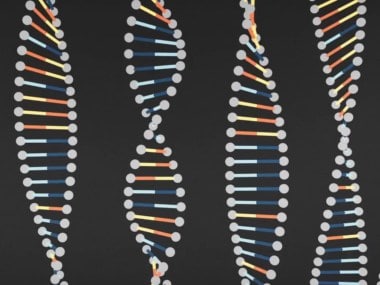 Representational image. Agencies[/caption]Using technology to pinpoint the identity of people in matters of crime, parentage disputes, emigration or immigration and organ transplant will add considerable speed to the case at hand.In India, regulation is missing at all levels, across all sectors. By providing for a mandatory accreditation and regulation of DNA laboratories, the Bill seeks to ensure that the expanded use of this technology in the country grows alongside assurances of reliable DNA test results. Furthermore, the data from these tests — to be stored in DNA data banks — remains protected from misuse or abuse as far as the privacy rights of Indian citizens are concerned.The consent and privacy clauses in the bill are yet to be elaborated upon. Important things that the Bill's hasn't clearly stated includes conditions under which consent would and wouldn’t be required
- when a DNA sample needs to be obtained,
- when informing someone that their DNA sample has been included in the database,
- when a person is allowed to appeal for the collection of his/her DNA data
 Winter session of Parliament. PTI[/caption]The Bill lists national and regional DNA data banks that will be established and the collected data maintained in indices, including crime scene index, suspects’ or undertrials’ index and offenders’ index. It is yet to define if this will be a powerful, insufficiently transparent, or accountable body overseeing the process.There is a need to set up an independent ethics board to monitor key processes of the data banks and ensure that they are not been misused by investigative agencies while the DNA samples are being collected.Creating large databases is rarely a cost-effective approach to crime-solving. There are still a lot of unknowns, one of them being a concentration of the benefits from the Bill in the hands of the haves. Uneven technological capability and awareness countrywide is not a new problem, but will apply differently to different investigative agencies in the country.
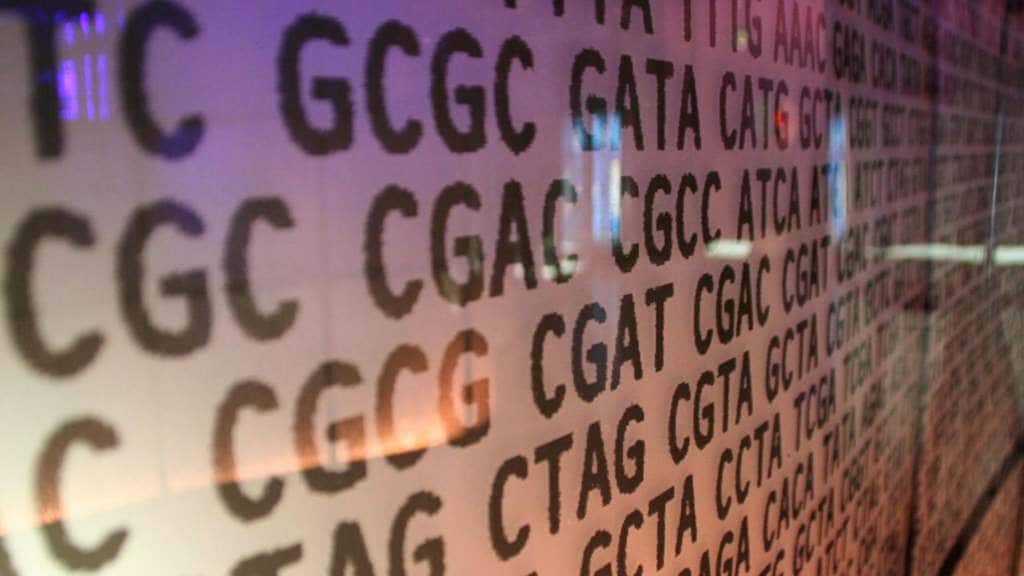 Also in need of some clarity are some of the finer details of the process: Will the conflicts of interest be published for each board member when appointed? Will they be updated on an ongoing basis? Will all the board proceedings also be published?It is also not clear from the Bill whether the collected samples of DNA will also be used to resolve civil disputes.A number of privacy protections appear to be missing from the Bill. These include the need to restrict DNA profiling so that it uses only non-coding DNA — which remain silent and unused in everyday functioning and maintenance by the body. Sequences of non-coding DNA house markers, or identifiers, that are unique to every individual, and can tell two people apart with ease. It also has other sequences that can code for diseases, personal characteristics and medical conditions. Restricting DNA profiling to just non-coding DNA in a commonly-used international standard for the procedure, preventing the use of DNA profiling technology to reveal personal information that can be misused.All said and done, some important safeguards and cost-benefit analysis are still lacking for the Bill, which over time will need strong bridges across stakeholders, along with a system of monitoring for the authorities that are monitoring and regulating the technology's use and applications.The author is co-founder and Managing Director of Cloudnine Group of Hospitals.
First Published:Jan 09, 2019, 18:21:08 IST
Advertisement
Advertisement

CJP protest in Delhi: New videos of stone pelting, violence emerge as police, agitators trade charges
Fresh videos of violence that broke out during the Cockroach Janta Party's (CJP) protest in Delhi have surfaced, with the police releasing footage showing alleged stone pelting, vandalism and attacks on security personnel
3 min read
'From make in India to launch from India': Skyroot COO on why Vikram-1 could change India’s space sector
Skyroot Aerospace’s successful Vikram-1 mission marks a major milestone for India’s private space sector, as the country seeks to shift from “Make in India” to “Launch from India” and compete in the global commercial satellite launch market
8 min read
Choke terror funding, keep international shipping lanes safe: Jaishankar at Asean Regional Forum
Jaishankar's remarks came against the backdrop of recent terror attacks targeting India and growing threats to commercial shipping amid conflicts in West Asia and Europe
2 min read
PM Modi announces fast-track courts for paper leak cases; CJP responds ‘Dharmendra Pradhan must go’
Amid protests demanding accountability for the leak of medical entrance test Neet and other irregularities in the education system, Prime Minister Narendra Modi has announced that the government has decided to set up fast-track courts to ensure swift and stringent punishment for those involved in paper leaks.
3 min read
Sikkim tunnel collapse rescue resumes, death toll rises to 22
The death toll at the collapsed tunnel at Sikkim's Namchi district rose to 22 after nine more bodies were recovered overnight. At least 27 workers were trapped in a tunnel at an NHPC project after a sudden burst of suspected methane gas trapped within rock formations triggered an explosion.
2 min read
Advertisement
Advertisement