


Army gets its hands on first 'Made in India' grenades; all you need to know
The Indian Army received its first batch of 40,000 Multi-Mode Hand Grenades from Nagpur-based private company Economic Explosives Limited, which will replace the British-era vintage hand grenades.

In what could be termed as a boost for 'Make in India' in the defence sector, Defence Minister Rajnath Singh handed over the first batch of indigenous Multi-Mode Hand Grenades (MMHG) to the Indian Army in Nagpur on Tuesday. The consignment is part of the army's order for 10 lakh multi-mode grenades developed by the Defence Research and Development Organisation and produced by Economic Explosives Ltd in Nagpur at a cost of over Rs 400 crore.During the ceremony, the defence minister said, “These grenades have been manufactured by the private sector. I think this is a great example of a Public-Private Partnership in defence sector. I am delighted that the production was approved in March 2021 and just within five months more than one lakh grenades have been manufactured even when the second wave of COVID-19 was going on and the entire system had come to a standstill.”Here is all you need to know about the new grenades.The No 36 grenades being currently usedAt present, the Indian Army utilises the HE 36M hand grenade manufactured by Ordnance Factory Board (OFB) in India. This grenade finds its origin in Mills Bomb, a popular name for a series of British Hand Grenade made by William Mills in 1915. The HE 36m hand grenade is an evolved variant from World War II of the original Mills bomb.These grenades can be fired from the rifle too.The 36M grenades have reliability issues, making it unsafe for the thrower.Supply of the new grenadesIn October of 2020, the Ministry of Defence signed a contract with Nagpur-based private company Economic Explosives Limited, a subsidiary of Solar Industries India Limited, to supply 10 lakh Multi-Mode Hand Grenades to the Indian Army at an approximate cost of Rs 409 crore. The multi-mode hand grenade has been designed by the Defence Research and Development Organisation (DRDO) and Terminal Ballistics Research Laboratories and produced by Economic Explosives Ltd in Nagpur. The grenade offers multiple advantages to soldiers in terms of safety and penetration attack as compared to the vintage hand grenades. The MMHG operates on a dual mode. In the offensive mode, the grenade does not have a fragment sleeve and is used for low-intensity attacks. This mode is used when the soldier targets the attack within five metres from the point of burst.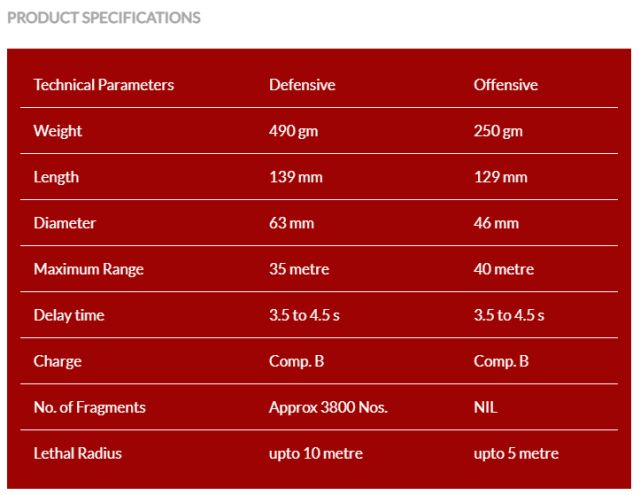 In the defensive mode, the grenade is assembled with its fragmenting sleeve. This grenade mode is used when the soldier is in shelter and the enemy is in an open area.The MMGH, as per the website, has a minimum shelf life of 15 years from manufacturing under normal storage conditions, proving that it is stable and can be used for a long time.Officials say that the development of the grenades begun around 15 years ago and that the DRDO and the OFB played a significant role in the development.Countries show interest in MMHGImpressed by the lethality of the grenades, Indonesia and other foreign countries have shown interest in buying the grenades from EEL. Indonesia has already placed an order for the same. With inputs from agencies

Sikkim tunnel collapse rescue resumes, death toll rises to 22
Delhi Police asks personnel to wear uniform: What the law says on cops in plainclothes during protests
No premium queues, 30-minute target: What changes for Indian passport applicants in UAE
CJP Protest in Delhi Live Updates: Delhi metro shuts 16 stations as protests continue in Jantar Mantar
Bharat Forge, Flying Whales sign pact to develop 60-tonne airships for India’s defence logistics