


Why are infectious disease outbreaks such as hantavirus and Ebola becoming more frequent?
First, a hantavirus infection broke out aboard a cruise ship, leaving three dead and around a dozen infected. Then, the norovirus began spreading on a British vessel in France. Now, a spike in Ebola cases in central Africa has killed hundreds of people. But why are these infectious disease outbreaks increasing?

The world seems to be facing a spate of infectious outbreaks.
First, a hantavirus infection broke out aboard a cruise ship, leaving three dead and around a dozen infected. Then, norovirus began spreading on a British vessel. Now, a spike in Ebola cases in central Africa has killed hundreds of people.
The development comes as the world continues to struggle in the aftermath of the Covid-19 pandemic. But why are outbreaks of diseases such as hantavirus and Ebola becoming more frequent?
Let’s take a closer look.
What we know
According to The Guardian, the Global Preparedness Monitoring Board (GPMB), in a report, has said that “as infectious disease outbreaks become more frequent, they are also becoming more damaging”. The expert panel, set up by the World Bank and World Health Organization (WHO) prior to the Covid-19 outbreak, warned that the risk of pandemics is exceeding the preparedness of countries. It added that “the world is not yet meaningfully safer”.
 More from Health
The newspaper cited the GPMB report as saying that countries have to spend billions of dollars to prepare for potential pandemics. This includes research on mRNA vaccines, which has “advanced at unprecedented speed”.
However, it added that the world is “moving backwards” when it comes to ensuring equal access to vaccines, tests and treatments. It cited a recent mpox outbreak in which vaccines took nearly two years to be sent to Africa — slower than during the Covid-19 pandemic.
According to Gulf News:
- 75 per cent of emerging infectious diseases come from animals
- WHO says there are 336 suspected Ebola cases
- The disease has left 15,000 dead in Africa since 1976
- Dengue cases have surged from 500,000 in 2000 to over 5 million in 2019
Climate change
Experts have long warned that climate change could make outbreaks of such diseases worse. According to Gulf News, a 2026 Nature study has said that if conditions stay the same, climate change could result in an extra 123 million malaria cases in Africa between 2024 and 2050.
They say human beings encroaching on the territory of animals is often a reason for these diseases spreading. The outlet quoted Jason Rohr, a professor at the University of Notre Dame, as saying that climate change, biodiversity loss and ecosystem disruption are key factors. Scientists call this phenomenon — animal-borne viruses infecting humans — “zoonotic spillover”.
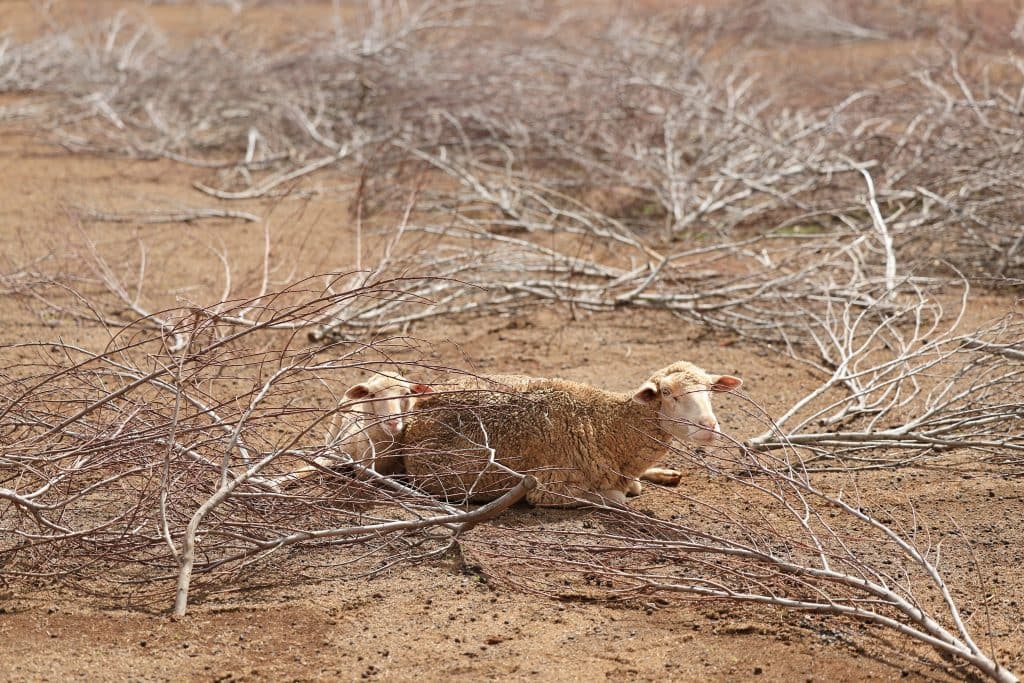
David Heymann, professor of infectious disease epidemiology at the London School of Hygiene & Tropical Medicine, said he has repeatedly cautioned about human beings making inroads into the territory of animals. Rachel Lowe, a climate-health expert at the Barcelona Supercomputing Centre, has said that increasing temperatures are allowing disease-carrying mosquitoes to spread into regions earlier considered lower risk.
WHO struggling with funding
When a threat like hantavirus or norovirus rears its head, the WHO is usually the first to respond. However, the agency, which was already struggling with cuts to its funding, is now in dire straits after the withdrawal of the United States. Washington made up around a fifth of the WHO’s annual budget.
According to Al Jazeera, the agency has set its 2026–27 projects at around $6.2 billion (Rs 599.11 billion). This is a 9 per cent cut from 2025–26. The agency has also cut some of its key programmes.
“Funding cuts to the WHO have directly weakened disease surveillance efforts, which in turn affect the readiness and preparedness to deliver an effective response to epidemics and pandemics,” Kaja Abbas, associate professor of infectious disease epidemiology and dynamics at the London School of Hygiene & Tropical Medicine and Nagasaki University, told the outlet.
Krutika Kuppalli, an infectious diseases physician in Dallas, said the coordination the WHO can provide at the beginning of an outbreak between nations is crucial. “Weakening WHO through funding cuts risks delaying outbreak detection, slowing response times, and reducing the world’s ability to contain emerging threats before they spread globally,” Kuppalli said.
Experts say this can have real-life consequences.
Professor Matthew Kavanagh, director of the Georgetown University Center for Global Health Policy & Politics, told The Guardian that cuts to agencies have resulted in countries “playing catch-up against a very dangerous pathogen”.
“Because early tests looked for the wrong strain of Ebola, we got false negatives and lost weeks of response time. By the time the alarm was raised, the virus had already moved along major transport routes and crossed borders.
“This crisis didn’t happen in a vacuum. When you pull billions out of the WHO and dismantle frontline USAID programmes, you gut the exact surveillance system meant to catch these viruses early. We are seeing the direct, deadly consequences of treating global health security as an optional expense.”
Joy Phumaphi, the GPMB co-chair and a former health minister in Botswana, told the newspaper, “If trust and cooperation continue to fracture, every country will be more exposed when the next pandemic strikes.”
Cruise ship customers undeterred
However, those travelling on cruise ships remain undeterred by reports of hantavirus and norovirus.
“The cruise consumer seems to be somewhat Teflon when it comes to stories like this,” said Rob Kwortnik, an associate professor at Cornell University's Nolan School of Hotel Administration who closely watches the cruise industry.
Current news cycles rarely impact passengers' decisions to join a cruise because the trips generally are booked at least six months — and often as much as a year — in advance, Kwortnik added. “People who are booking cruises tomorrow are thinking about the holidays,” he said.
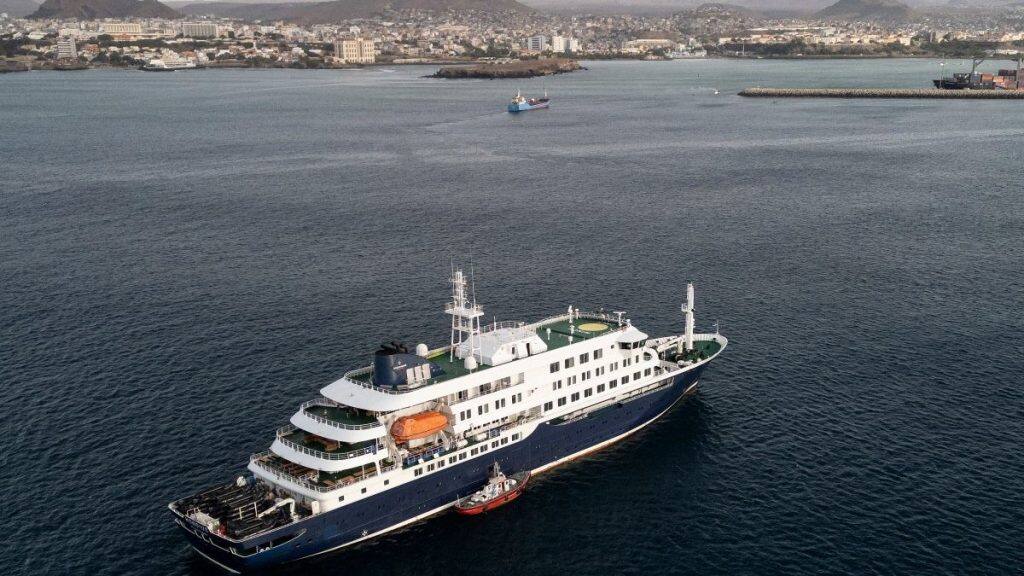
Veteran cruisegoers said the outbreak would not affect their plans.
“I have eight cruises booked, and I'll absolutely be booking another,” said Jenni Fielding, who blogs and posts social media videos about cruise trips under the moniker Cruise Mummy. “Cruising is as safe as any other type of holiday, provided travellers follow sensible health advice and stay aware of official guidance.”
Scott Eddy, a hospitality influencer, is currently on a cruise and docked in Monaco. Fellow passengers have not mentioned the hantavirus outbreak, he said.
“The average traveller understands that this is an isolated health situation and not something unique to cruise travel itself,” Eddy said.
FAQs
1. Why are infectious diseases becoming more frequent?
Experts blame climate change, humans encroaching on the territory of animals and cut to agencies like the WHO.
2. What is zoonotic spillover?
It refers to diseases that jump from animals to humans, often due to habitat destruction and closer human contact with wildlife.
3. How do funding cuts affect outbreak response?
Reduced funding weakens surveillance, delays detection, and slows coordinated global responses, increasing the risk of wider spread.
With inputs from agencies

Stroke is rising among young adults. Doctor explains why it's happening and what you must do
Stroke in young adults, silent symptoms and late diagnosis: India's growing brain health challenge
Brain tumours aren't always fatal, but delayed diagnosis can be: Experts explain the key warning signs
Spices, health and the Indian plate: Why chilli can be good for you—but moderation is still key
Organ donation: 5 myths you need to stop believing, according to a transplant specialist